혁신적인 생태학자이자 수많은 책의 저자인 최재천 교수는 현대 사회의 가장 심각한 문제 중 하나인 편견과 분열에 대한 해법을 제시합니다. 그가 엄선한 4권의 책은 단순한 독서 목록을 넘어 우리 사회가 직면한 분열과 편향을 이해하고 극복하기 위한 지적 여정의 안내서입니다. 이 책들은 집단 착각에서 벗어나고, 우리편 편향을 인식하며, 성별 고정관념을 넘어서는 방법, 그리고 공감의 범위를 확장하는 방법을 제시합니다. 이러한 통찰을 통해 우리는 비판적 사고력을 기르고 보다 균형 잡힌 사회를 향해 나아갈 수 있습니다.
내가 고인물이라고? 편견으로 가득한 사회를 벗어나기 위한 최재천 교수님의 찐추천 책 4권! / 최
최재천 교수님이 추천하는 **편견** 관련 4권의 책을 통해, 사회적 분열과 개인적 편향을 극복하는 방법을 탐구합니다. 이 책들을 통해 자신만의 의견을 형성하고 비판적 사고를 기르는 것이 중
lilys.ai

현대 사회의 편향과 분열 문제
현대 사회는 점점 더 분열되고 있습니다. 사람들은 비슷한 생각을 가진 집단으로 모이는 경향이 있으며, 이는 사회적 편견과 분열을 심화시킵니다. 검색 엔진과 소셜 미디어 알고리즘은 우리가 이미 동의하는 정보만 선별해 보여주는 '필터 버블'을 만들어냅니다^6. 이런 환경에서 우리는 자신의 기존 견해를 강화하는 정보만 접하게 되고, 다른 관점을 이해하거나 수용하기 어려워집니다.
최재천 교수는 이러한 현상에 대해 깊은 우려를 표하며, 사회적 분열과 편향을 극복하기 위한 방법으로 네 권의 책을 특별히 추천합니다^9. 이 책들은 단순히 정보를 제공하는 것을 넘어 우리의 사고방식을 변화시키고 더 넓은 시각으로 세상을 바라볼 수 있도록 도와줍니다.
사회적 편향의 위험성
사회적 편향은 개인의 판단을 흐리게 할 뿐만 아니라 사회 전체의 의사결정 과정에도 심각한 영향을 미칩니다. 우리는 종종 자신이 속한 집단의 의견을 무비판적으로 수용하고, 다른 집단의 의견은 거부하는 경향이 있습니다^6. 이러한 경향은 사회 전체가 중요한 문제에 대해 합리적인 해결책을 찾는 것을 방해합니다.
최재천 교수가 강조하는 중요한 점은 이러한 편향이 교육 수준이나 지능과 상관없이 모든 사람에게 나타난다는 것입니다^13. 오히려 고학력자나 지식인들이 자신의 편향을 더 교묘하게 합리화하는 경우도 많습니다. 이는 편향 극복이 단순히 지식의 문제가 아니라 인식과 태도의 문제임을 시사합니다.
최재천 교수가 추천하는 4권의 책
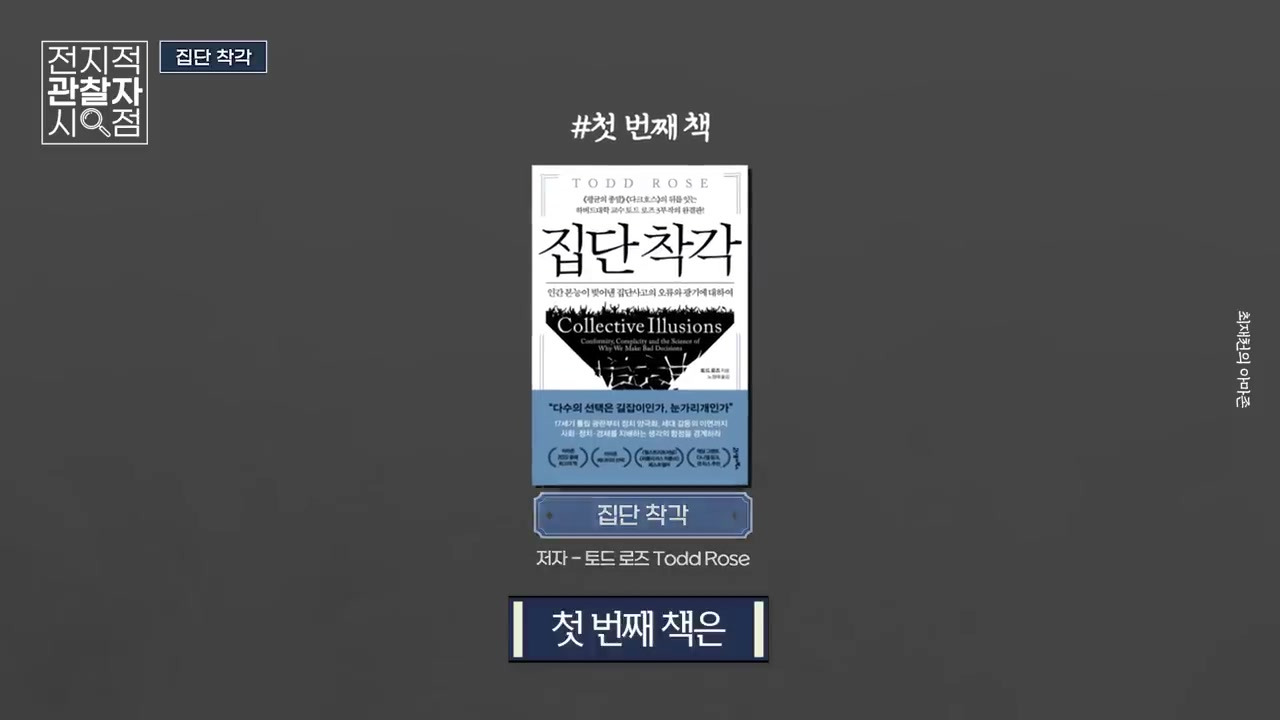
1. 집단 착각: 집단사고의 오류 이해하기
첫 번째 책 『집단 착각』은 인간 본능이 빚어낸 집단사고의 오류와 광기에 대해 다룹니다^2. 이 책은 우리가 무작정 평균과 다수의 의견을 받아들이도록 훈련받았지만, 그 '평균'이 여러 모순을 지니고 있음을 지적합니다.
집단 착각은 정치, 종교, 경제 등 우리 일상의 거의 모든 분야에서 공통적으로 목격됩니다^2. 언론과 인터넷 토론방, 심지어 법정에서까지 같은 생각을 가진 사람들이 집단사고의 오류를 키우며, 이것이 개개인의 생각을 좀먹고 행동 방식을 조작할 수 있습니다.
저자는 사람들이 자신의 생각보다 남들의 생각을 지나치게 걱정하고, 설문조사에서도 남들의 의견을 반영한 답을 주는 경향이 있다고 설명합니다. 선거에서 '당선 가능성'과 같은 개념은 사람들이 자신이 진정으로 지지하는 후보를 선택하지 못하게 만들어 결과적으로 더 치열한 경쟁을 초래한다고 주장합니다^2.
2. 우리편 편향: 신념이 편향이 되는 과정
두 번째 책 『우리편 편향』은 심리학자 키스 E. 스타노비치가 저술한 책으로, 우리가 자신의 사전견해와 태도에 우호적인 방식으로 증거를 평가하고 가설을 검증할 때 나타나는 편향에 대해 설명합니다^6.
스타노비치는 편향이란 "사고오류로 이어지는 근본적으로 잘못된 추론과정"을 의미한다고 정의합니다^6. 우리편 편향은 다양한 판단영역에서, 모든 인구집단에서, 모든 단계의 정보처리 과정에서 나타납니다^13. 우리는 의미가 모호한 행동에 대해서도 자신이 속한 집단을 지지할 때 더 우호적으로 평가하는 경향이 있습니다.
흥미로운 점은 우리편 편향이 다른 인지적 편향과 달리 인지능력이나 사고성향과 같은 개인차와 상관관계가 없다는 것입니다^6. 오히려 수리력이 더 좋은 경우 집단 간의 신념 양극화는 더욱 커지는 양상을 보이기도 합니다. 이는 높은 지적 능력이 편향에서 자유롭게 해주지 않는다는 것을 의미합니다.
3. 공감의 반경: 느낌에서 사고로
세 번째 책 『공감의 반경』은 장대익 저자의 책으로, 혐오와 분열의 시대에 공감의 범위를 어떻게 넓힐 수 있는지에 대해 탐구합니다^3.
저자는 정서적 공감과 인지적 공감을 구분하며, "정서적 공감이 따뜻한 감정의 힘이라면 인지적 공감은 따뜻한 사고의 힘"이라고 설명합니다^3. 아무리 감정이 불꽃처럼 일어나도 차분히 사고하지 않으면 상대의 상태를 정확히 이해할 수 없으며, 이 이해가 없이는 상대의 문제를 해결하는 데 도움을 주기 힘듭니다.
인지적 공감은 공감의 원심력을 강화해 공감의 반경을 넓히지만, 정서적 공감보다 더 고차원의 인지 작용이며 따라서 인지 부하가 많이 걸립니다^3. 의식적으로 에너지가 많이 드는 인지적 공감을 활성화하려면 인간 본성과 사회적 맥락에 대한 주의 깊은 통찰과 이에 기반한 처방전이 필요합니다.
4. 남성 해방: 성별 고정관념에서 벗어나기
네 번째 책 『남성 해방』은 옌스 판트리흐트의 저서로, 페미니즘이 남성에게도 이롭다는 것을 주장합니다^4. 이 책의 출발점이자 목적지는 남성이 스스로 더 잘 살아가기 위해서는 페미니즘이 있어야 한다는 것입니다.
최재천 교수는 암컷이 중심이 되는 동물사회와 달리 인간사회는 남성이 경제권을 독점하며 여성을 지배해왔는데, 이런 상태가 오히려 '자연스럽지' 않은 것이라고 봅니다^19. 그는 여성 할당제와 같은 정책이 "기울어진 추의 균형을 회복해나가는 과정"이라고 설명합니다.
이 책은 갇혀버린 관념을 바꾸고 더 나은 내일을 원하는 사람들에게 특히 추천됩니다^4. 성별 고정관념에서 벗어나 모든 사람이 자신의 잠재력을 발휘할 수 있는 사회를 만들기 위한 통찰을 제공합니다.
편향 극복을 위한 토론과 '숙론'의 중요성
최재천 교수는 편향과 분열을 극복하기 위한 방법으로 토론, 특히 '숙론'이라는 개념을 제안합니다^5. 숙론이란 "'내가 옳다', '당신이 틀리다'라며 싸우는 '언쟁'으로 오염된" 토론 문화에서 벗어나, "서로 다른 의견을 깊이 있게 생각하며 이야기"하는 것을 의미합니다.
숙론의 개념과 필요성
최재천 교수는 숙론을 "누가 옳은가가 아니라 무엇이 옳은지를 찾는 과정"이라고 정의합니다^8. 상대를 제압하려 하지 않으면서 문제의 해법을 향해 충분히 계속 얘기하는 것이 숙론의 핵심입니다. '충분하다'라는 말에는 시간을 들인다는 뜻이 들어 있으며, 이는 상대를 존중하는 마음을 전제로 합니다.
최 교수는 한국에서 토론이 제대로 이뤄지지 않는 이유로 토론에 대한 잘못된 인식이 있다고 진단합니다^5. 이러한 토론 문화에서 벗어나기 위해 서로 다른 의견을 깊이 있게 생각하며 이야기하는 '숙론'을 새 화두로 제시합니다.
실천적 방법: 역지사지와 인지적 노력
편향을 극복하기 위해서는 '역지사지'의 자세가 필요하지만, 이는 쉽지 않은 일입니다. 스타노비치는 우리가 자기 부족의 정체성, 편안한 지대에만 머무르려는 관성, 자기 가치관을 강화하는 의견만 들여다보려는 경향성을 가지고 있다고 지적합니다^10. 이러한 경향성은 우리가 살아가는 세상을 깊이 이해하도록 이끌어주지 않으며, 사회를 분열시키고 공익에 해를 끼칩니다.
저자는 이 상황을 브로콜리와 아이스크림에 비유합니다^10. 어떤 사고 경향성은 우리에게 자연스럽게 배어 있어 달콤한 아이스크림처럼 그저 편하고, 어떤 사고 과정은 애써 노력이 필요해서 영양을 섭취하곤 하는 브로콜리와도 같습니다. 우리는 달콤하지 않은 브로콜리를 먹는 것과 비슷한 인지적 노력을 수행해야 합니다.
결론: 편견 극복을 통한 균형있는 사회 구축
최재천 교수가 추천하는 4권의 책(집단 착각, 우리편 편향, 공감의 반경, 남성 해방)은 모두 현대 사회의 분열과 편향을 이해하고 극복하기 위한 통찰을 제공합니다. 이 책들은 우리가 자신의 편향을 인식하고, 다른 관점을 이해하며, 보다 균형 있는 사회를 구축하는 데 도움이 됩니다.
편향과 고정관념에서 벗어나는 것은 쉽지 않은 일이지만, 이는 우리 사회가 당면한 분열과 갈등을 해결하기 위해 반드시 필요한 과정입니다. 최재천 교수가 제안하는 '숙론'의 방식으로 서로의 생각을 경청하고 존중하는 자세를 가질 때, 우리는 진정한 소통과 협력의 길을 찾을 수 있을 것입니다.
편견에서 벗어나 비판적 사고를 기르는 여정은 개인적인 성장뿐만 아니라 사회적 발전에도 기여합니다. 최재천 교수의 추천 도서들이 제공하는 통찰을 통해, 우리는 더 포용적이고 균형 잡힌 사회를 향해 한 걸음씩 나아갈 수 있을 것입니다.
#편견극복 #최재천교수 #추천도서 #우리편편향 #집단착각 #공감의반경 #남성해방 #숙론 #비판적사고 #사회적분열 #토론문화 #인지적공감 #페미니즘 #성평등 #자기성찰
Journey Beyond Bias: Overcoming Social Division Through Professor Jae-Cheon Choi's 4 Recommended Books
Professor Jae-Cheon Choi, an innovative ecologist and author of numerous books, offers solutions to one of the most serious problems in modern society: prejudice and division. His carefully selected four books serve as guides for an intellectual journey to understand and overcome the division and bias our society faces. These books suggest methods for escaping collective illusion, recognizing our own biases, transcending gender stereotypes, and expanding the scope of empathy. Through these insights, we can develop critical thinking skills and move toward a more balanced society.
Bias and Division in Modern Society
Modern society is becoming increasingly divided. People tend to gather in groups with similar thoughts, which deepens social prejudice and division. Search engines and social media algorithms create 'filter bubbles' that only show us information we already agree with^6. In such an environment, we only encounter information that reinforces our existing views, making it difficult to understand or accept different perspectives.
Professor Choi expresses deep concern about this phenomenon and specially recommends four books as methods to overcome social division and bias^9. These books go beyond simply providing information to change our way of thinking and help us view the world from a broader perspective.
The Dangers of Social Bias
Social bias not only clouds individual judgment but also seriously affects the decision-making process of society as a whole. We often uncritically accept the opinions of the group we belong to and reject the opinions of other groups^6. This tendency hinders society as a whole from finding rational solutions to important problems.
An important point Professor Choi emphasizes is that these biases appear in everyone regardless of education level or intelligence^13. In fact, the highly educated or intellectuals often rationalize their biases more cleverly. This suggests that overcoming bias is not simply a matter of knowledge but a matter of awareness and attitude.
Professor Choi's 4 Recommended Books
1. Collective Illusion: Understanding the Fallacy of Group Thinking
The first book, "Collective Illusion," deals with the fallacies and madness of group thinking produced by human instinct^2. This book points out that we have been trained to uncritically accept average and majority opinions, but that 'average' contains many contradictions.
Collective illusion is commonly observed in almost all areas of our daily lives, including politics, religion, and economics^2. In the media, internet discussion forums, and even in courts, people with the same thoughts build up the fallacy of group thinking, which can eat away at individuals' thoughts and manipulate their behavior.
The author explains that people tend to worry too much about others' thoughts rather than their own, and also tend to give answers that reflect others' opinions in surveys. The concept of 'electability' in elections prevents people from choosing the candidate they truly support, resulting in more intense competition^2.
2. Myside Bias: How Beliefs Become Biases
The second book, "Myside Bias," written by psychologist Keith E. Stanovich, explains the bias that occurs when we evaluate evidence and test hypotheses in a way that is favorable to our preconceptions and attitudes^6.
Stanovich defines bias as "a fundamentally wrong reasoning process that leads to thinking errors"^6. Myside bias appears in various judgment areas, in all population groups, and at all stages of information processing^13. We tend to evaluate ambiguous behaviors more favorably when supporting the group we belong to.
Interestingly, myside bias, unlike other cognitive biases, has no correlation with individual differences such as cognitive ability or thinking tendency^6. Rather, in cases with better numerical ability, the polarization of beliefs between groups tends to increase even more. This means that high intellectual ability does not free us from bias.
3. The Radius of Empathy: From Feeling to Thinking
The third book, "The Radius of Empathy," by author Jang Dae-ik, explores how to broaden the scope of empathy in an age of hatred and division^3.
The author distinguishes between emotional empathy and cognitive empathy, explaining that "if emotional empathy is the power of warm feelings, cognitive empathy is the power of warm thinking"^3. No matter how much emotions flare up, without calm thinking, it's impossible to accurately understand the other person's state, and without this understanding, it's difficult to help solve the other person's problems.
Cognitive empathy strengthens the centrifugal force of empathy and broadens the radius of empathy, but it is a higher-order cognitive function than emotional empathy and therefore requires more cognitive load^3. To activate cognitive empathy, which consciously requires a lot of energy, careful insight into human nature and social context, and prescriptions based on this, are needed.
4. Male Liberation: Breaking Free from Gender Stereotypes
The fourth book, "Male Liberation," by Jens Vantrieght, argues that feminism is also beneficial for men^4. The starting point and destination of this book is that men need feminism to live better themselves.
Professor Choi sees that, unlike animal societies where females are central, human society has been dominated by men monopolizing economic rights and dominating women, but this state is not 'natural'^19. He explains that policies such as women's quotas are "a process of restoring the balance of a tilted weight."
This book is especially recommended for those who want to change trapped notions and desire a better tomorrow^4. It provides insights for creating a society where everyone can realize their potential by breaking free from gender stereotypes.
The Importance of Discussion and 'Suklyon' for Overcoming Bias
Professor Choi proposes discussion, especially the concept of 'Suklyon,' as a method to overcome bias and division^5. Suklyon means moving away from a discussion culture contaminated by arguments like "I am right" and "you are wrong," to "thinking deeply and talking about different opinions."
The Concept and Necessity of Suklyon
Professor Choi defines Suklyon as "a process of finding what is right, not who is right"^8. The essence of Suklyon is to continue talking sufficiently toward a solution to the problem without trying to subdue the other. The word 'sufficiently' implies investing time, which presupposes respect for the other.
Professor Choi diagnoses that the reason discussion doesn't work properly in Korea is due to misconceptions about discussion^5. To break away from this discussion culture, he presents 'Suklyon' as a new topic: thinking deeply and talking about different opinions.
Practical Methods: Perspective-taking and Cognitive Effort
To overcome bias, an attitude of 'putting oneself in another's shoes' is necessary, but this is not an easy task. Stanovich points out that we have tendencies to only maintain our tribal identity, to stay in our comfort zone, and to only look at opinions that reinforce our values^10. These tendencies do not lead us to a deep understanding of the world we live in and divide society and harm the public interest.
The author compares this situation to broccoli and ice cream^10. Some thinking tendencies are naturally ingrained in us and are just as comfortable as sweet ice cream, while some thinking processes require effort and are like broccoli that we eat for nutrition. We need to perform cognitive efforts similar to eating unsweetened broccoli.
Conclusion: Building a Balanced Society Through Overcoming Prejudice
The four books recommended by Professor Choi (Collective Illusion, Myside Bias, The Radius of Empathy, Male Liberation) all provide insights for understanding and overcoming the division and bias in modern society. These books help us recognize our biases, understand different perspectives, and build a more balanced society.
Breaking free from bias and stereotypes is not an easy task, but it is a necessary process to resolve the division and conflict our society faces. When we have an attitude of listening to and respecting each other's thoughts in the way of 'Suklyon' that Professor Choi proposes, we can find a path to true communication and cooperation.
The journey of breaking free from prejudice and developing critical thinking contributes not only to personal growth but also to social development. Through the insights provided by Professor Choi's recommended books, we can take step by step toward a more inclusive and balanced society.
#OvercomingPrejudice #ProfessorChoi #RecommendedBooks #MysideBias #CollectiveIllusion #RadiusOfEmpathy #MaleLiberation #Suklyon #CriticalThinking #SocialDivision #DiscussionCulture #CognitiveEmpathy #Feminism #GenderEquality #SelfReflection
#편견극복 #최재천교수 #추천도서 #우리편편향 #집단착각 #공감의반경 #남성해방 #숙론 #비판적사고 #사회적분열 #토론문화 #인지적공감 #페미니즘 #성평등 #자기성찰
'이슈 > 사회' 카테고리의 다른 글
| 똑똑한 사람들은 공직을 떠나는가? - 공직사회의 비효율과 가짜 노동의 현실 (0) | 2025.04.04 |
|---|---|
| '돈돈'하는 대한민국 : 한국 사회의 속마음 (3) | 2025.04.04 |
| 헌법재판소 심판대에 오른 중대재해처벌법, 그 배경과 쟁점 분석 (0) | 2025.04.03 |
| 대한민국을 사로잡은 스토리텔러, 김은희와 김은숙 작가의 창작 철학과 삶의 이야기 (1) | 2025.04.03 |
| 제주 4.3 사건: 해방의 기쁨에서 비극의 심연으로 (1) | 2025.04.03 |


