미국 시장에서의 입지를 굳히기 위해 31조 원이라는 천문학적인 투자를 발표한 현대차그룹이 예상치 못한 장벽에 직면했습니다. 트럼프 대통령의 25% 자동차 관세 폭탄은 단순히 한 기업의 문제를 넘어 글로벌 자동차 산업 전체를 뒤흔들고 있습니다. 지금 이 순간에도 세계 각국은 이 충격파에 대응하기 위해 분주히 움직이고 있습니다. 국내에서는 자영업자 연체율 증가와 고려아연의 경영권 분쟁까지 더해져 경제적 불확실성이 커지고 있는 상황입니다. 글로벌 무역 전쟁의 소용돌이 속에서 한국 경제의 현주소를 살펴보겠습니다.
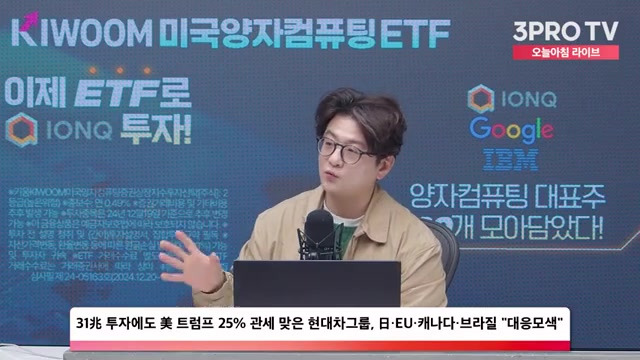
31兆 투자에도 美 트럼프 25% 관세 맞은 현대차그룹…日·EU·캐나다·브라질
본 영상은 현대차그룹이 31조 원을 투자했음에도 불구하고 미국 트럼프 대통령의 25% 관세 부과에 직면한 상황을 심층적으로 분석합니다. **미국 시장 진출 전략** 에 차질이 예상되는 현대차의
lilys.ai
현대차그룹 31조 투자와 트럼프 관세의 역설
미국 백악관 대통령 집무실에 위치한 루즈벨트 룸. 트럼프 대통령의 소개와 함께 정의선 현대차그룹 회장이 연단에 올랐습니다. 그리고 미국에 무려 31조 원을 투자하겠다는 파격적인 발표가 이어졌습니다. 2028년까지 자동차에 86억 달러, 부품 물류 철강에 61억 달러, 미래산업과 에너지에 63억 달러를 투자하겠다는 청사진이었습니다2.
막대한 투자에도 불구하고 마주한 관세의 벽
현대차그룹의 대규모 투자 계획 발표에도 불구하고, 트럼프 대통령은 미국으로 수입되는 자동차에 25%의 관세를 부과하겠다고 발표했습니다. 이로 인해 글로벌 자동차 산업계는 큰 혼란에 빠졌습니다. 수입 자동차에 대한 25% 관세와 내달 2일 발표될 상호 관세까지 적용되면 일부 국가에서 수출하는 자동차의 관세율이 40~50%에 이를 것으로 예상됩니다11.
"미국에서 판매되는 차량의 약 절반이 수입산이며, 현지에서 조립되는 차량조차 평균적으로 60%의 부품을 해외에서 조달하고 있어 미국 업체들도 관세 부담에서 자유롭지 않습니다."
이는 현대차그룹뿐만 아니라 미국 자체 완성차 업체들에게도 큰 타격을 주고 있습니다. 뉴욕증권거래소에 따르면 GM의 주가는 7.36% 떨어졌으며, 포드는 3.88% 하락 마감했습니다3. 이는 미국 자동차 산업 보호를 명분으로 꺼낸 관세 카드가 정작 자국 대표 완성차 업체들의 주가에도 악재로 작용하고 있음을 보여줍니다.
현대차의 미국 전략 변화와 HMGMA의 중요성
현대차는 이러한 위기를 타개하기 위해 미국 내 생산 비중을 높이는 전략을 추진하고 있습니다. 특히 '현대차그룹 메타플랜트 아메리카(HMGMA)'가 핵심 역할을 할 것으로 보입니다. HMGMA는 아이오닉5에 이어 아이오닉9을 생산할 예정이며, 이는 내년 1분기 본격적인 양산에 들어가 2분기 미국 시장에서 판매될 예정입니다7.
현대차 관계자는 "국내를 비롯 유럽이나 다른 지역 판매 모델은 국내 공장에서 생산하며, 미국 판매 모델만 미국에서 생산할 예정"이라고 밝혔습니다13. 이는 현지 생산을 통해 미국의 인플레이션 감축법(IRA)에 따른 현지 보조금 혜택을 활용하기 위한 전략으로 볼 수 있습니다. IRA는 북미에서 최종 조립한 전기차에 한해 대당 최대 7500달러(약 1000만원)가 세액공제되는 형태로 보조금 혜택을 제공하기 때문입니다7.
글로벌 국가들의 대응과 경제적 파장
트럼프 대통령의 관세 부과 발표는 글로벌 자동차 산업 전반에 큰 충격을 주고 있으며, 각국 정부는 다양한 대응책을 모색하고 있습니다.

일본과 EU의 우려와 대응
일본 정부는 미국의 25% 자동차 관세 부과 계획에 "매우 유감"이라는 입장을 내놨습니다. 일본 정부 대변인인 하야시 요시마사 관방장관은 "일본도 대상국에 포함되는 형태로 발표된 것은 지극히 유감"이라고 밝히며, "자동차 관세를 비롯해 미국 정부의 광범위한 무역 제한은 미일 양국 경제 관계와 세계 경제에 큰 영향을 미칠 수 있다"고 지적했습니다9.
유럽연합(EU)은 자동차 관세 발표에 유감을 표명하면서도 대미 협상이 진행 중인 상황을 고려한 듯 즉각적 대응은 일단 자제하는 분위기입니다. 우르줄라 폰데어라이엔 EU 집행위원장은 "미국이 유럽 자동차 수출 제품에 관세를 부과해 유감"이라며 "EU의 경제적 이익을 보호하면서 협상을 통한 해결책을 계속 모색하겠다"고 말했습니다12.
캐나다의 강경 대응 가능성
캐나다는 보복 관세로 맞불을 놓는 카드를 고심하고 있습니다. 마크 카니 캐나다 총리는 자동차 관세 부과를 "직접적인 공격"이라고 지칭하며 캐나다의 이익을 위한 대응 조치에 나서겠다고 밝혔습니다14.
외신들은 이번 조치가 자동차 생산에 심각한 차질을 가져올 것이며 가격을 상승시키고 동맹국과의 관계를 경색시킬 것이라고 전하고 있습니다. 관세 부과로 타격을 입을 수 있는 주요 자동차 수출국으로 한국과 일본, 캐나다, 독일, 멕시코 등이 꼽히고 있습니다14.
국내 경제 불안의 두 축: 자영업자 연체율과 고려아연 분쟁
자영업자 대출 연체율 상승의 경고등
대외적 위기와 더불어 국내 경제에도 적신호가 켜졌습니다. 한국은행이 발표한 '금융안정 상황' 보고서에 따르면, 지난해 말 기준 자영업자 대출 연체율은 1.67%로 집계됐습니다. 이는 코로나19 이전의 장기 평균 수준(2012~2019년 평균 1.68%)에 가까워진 상황입니다4.
특히 비은행(3.43%)과 취약 자영업자(11.16%)를 중심으로 연체율이 높게 나타났습니다. 자영업자 대출 연체율이 상승한 것은 높은 대출금리, 서비스업 경기 부진에 따른 소득 감소 등으로 자영업자 채무 상환 능력이 저하됐기 때문이라고 한국은행은 분석했습니다4.
자영업자 평균 소득은 2022년 말 4천131만원에서 지난해 말 4천157만원으로 소폭 증가했으나, 여전히 코로나19 이전인 2019년 말 수준(4천242만원)을 회복하지 못했습니다. 연체 자영업자 평균 소득은 2020년 말 3천983만원에서 지난해 말 3천736만원으로 줄었고, 평균 대출은 2억500만원에서 2억2천900만원으로 늘었습니다4.
고려아연 경영권 분쟁의 새로운 국면
한편, 국내 대표 기업 중 하나인 고려아연에서는 경영권을 둘러싼 분쟁이 격화되고 있습니다. 서울중앙지법은 영풍·MBK 측이 고려아연을 상대로 '주주총회 의결권 행사를 허용해달라'며 제기한 가처분 신청을 기각했습니다5.
이에 따라 오는 28일 고려아연 정기주총에서 영풍·MBK 측의 경영권 장악 시도에 급제동이 걸린 반면, 최윤범 회장 측이 이사회 장악을 위한 표 대결에서 승기를 잡고 경영권 분쟁의 유리한 고지를 일단 점했습니다5.
하지만 영풍·MBK 측이 영풍 정기주주총회에서 1주당 0.04주를 배당함으로써 상호주 관계가 해소됐고 의결권이 부활됐다고 주장하고 나서 정기주총 파행은 물론, 법적다툼이 불가피할 것으로 관측됩니다5.
고려아연 지분은 영풍·MBK 측이 40.97%, 최 회장 측이 우호 지분을 합해 34.35%로 영풍·MBK 측이 많지만, 법원의 가처분 결정으로 영풍·MBK 측의 15.42%(526만450주)의 의결권행사가 제한돼 지분율은 16%대로 크게 낮아지게 되었습니다5.
결론: 불확실성 시대의 경제 전망과 대응 방안
트럼프 대통령의 자동차 관세 부과 발표는 글로벌 자동차 산업과 세계 경제 전반에 큰 파장을 일으키고 있습니다. 현대차그룹은 31조 원 규모의 대규모 투자 계획과 HMGMA를 통한 현지 생산 확대로 이에 대응하고 있으나, 관세 부과가 현실화될 경우 그 영향을 완전히 피하기는 어려울 것으로 보입니다.
각국 정부는 미국의 관세 조치에 각기 다른 방식으로 대응하고 있으며, 이는 향후 글로벌 무역 환경에 큰 변화를 가져올 가능성이 있습니다. 특히 유럽과 일본, 캐나다 등 주요 자동차 수출국들의 반응과 대응이 관건이 될 것입니다.
국내 경제는 자영업자 대출 연체율 상승과 고려아연 경영권 분쟁 등 내부적인 불안 요소도 가지고 있습니다. 이러한 상황에서 한국 경제의 안정성을 유지하기 위해서는 정부와 기업, 금융기관 등의 적극적인 대응과 협력이 필요할 것입니다.
불확실성이 커지는 시대에 기업들은 변화하는 글로벌 환경에 빠르게 적응하고, 리스크를 분산시키는 전략을 마련해야 합니다. 현대차그룹이 미국 내 생산 확대와 전기차 시장 공략으로 위기를 기회로 전환하려는 것처럼, 다른 기업들도 새로운 환경에 맞는 혁신적인 전략을 모색해야 할 시점입니다.
앞으로 글로벌 무역 환경과 국내 경제 상황이 어떻게 전개될지 주목되는 가운데, 위기 속에서도 기회를 찾아내는 기업과 국가만이 불확실성의 시대를 헤쳐나갈 수 있을 것입니다.
#현대차그룹 #트럼프관세 #자동차산업 #HMGMA #아이오닉9 #글로벌무역 #미국관세 #자영업자연체율 #고려아연 #경영권분쟁 #25%관세 #무역전쟁 #IRA #전기차보조금 #한국경제전망
Hyundai Motor Group's $23 Billion Investment Faces Trump's 25% Tariff: Shockwaves Across the Global Automotive Industry
Hyundai Motor Group, having announced an astronomical investment of $23 billion to solidify its position in the US market, has encountered an unexpected barrier. President Trump's 25% automobile tariff bombshell has sent ripples beyond a single company's concerns, shaking the entire global automotive industry. At this very moment, countries worldwide are bustling to respond to this shockwave. Domestically, economic uncertainty is growing with rising delinquency rates among self-employed individuals and the management control dispute at Korea Zinc. Let's examine the current state of the Korean economy amidst the whirlwind of global trade wars.
Hyundai Motor Group's $23 Billion Investment and the Paradox of Trump's Tariff
In the Roosevelt Room adjacent to the President's office in the White House, Hyundai Motor Group Chairman Euisun Chung took the podium following an introduction by President Trump. What followed was a groundbreaking announcement to invest approximately $23 billion in the United States. The blueprint outlined investments of $8.6 billion in automobiles, $6.1 billion in parts, logistics, and steel, and $6.3 billion in future industries and energy by 20282.
The Tariff Wall Despite Massive Investment
Despite Hyundai Motor Group's announcement of large-scale investment plans, President Trump declared a 25% tariff on cars imported into the United States, throwing the global automotive industry into great confusion. With the 25% tariff on imported vehicles and the reciprocal tariffs to be announced on the 2nd of next month, it is expected that tariff rates on vehicles exported from some countries could reach 40-50%11.
"About half of the vehicles sold in the US are imported, and even vehicles assembled locally source an average of 60% of their parts from overseas, meaning that US companies are not exempt from the tariff burden."
This is dealing a significant blow not only to Hyundai Motor Group but also to US automotive manufacturers. According to the New York Stock Exchange, GM's stock price fell by 7.36%, and Ford closed down 3.88%3. This demonstrates that the tariff card, ostensibly drawn to protect the US automotive industry, is adversely affecting the stock prices of the country's major automotive manufacturers.
Hyundai's Changing US Strategy and the Importance of HMGMA
Hyundai is pursuing a strategy to increase its production share in the US to overcome this crisis. In particular, the 'Hyundai Motor Group Metaplant America (HMGMA)' is expected to play a crucial role. HMGMA plans to produce the IONIQ 9 following the IONIQ 5, with mass production set to begin in the first quarter of next year and sales in the US market in the second quarter7.
A Hyundai representative stated, "Models for sale in Korea, Europe, and other regions will be produced in domestic factories, while only models for the US market will be produced in the US"13. This can be seen as a strategy to utilize local subsidy benefits under the US Inflation Reduction Act (IRA), which provides tax credits of up to $7,500 per vehicle for electric vehicles assembled in North America7.
Global Responses and Economic Ripples
President Trump's tariff announcement has sent shockwaves throughout the global automotive industry, with governments worldwide seeking various countermeasures.
Concerns and Responses from Japan and the EU
The Japanese government expressed that it is "deeply regrettable" regarding the US plan to impose a 25% tariff on automobiles. Japanese government spokesperson Yoshimasa Hayashi stated, "It is extremely regrettable that Japan is included among the target countries," adding that "the US government's broad trade restrictions, including automobile tariffs, could have a significant impact on US-Japan economic relations and the global economy"9.
The European Union (EU) expressed regret over the automobile tariff announcement but seems to be refraining from immediate response for now, considering ongoing negotiations with the US. EU Commission President Ursula von der Leyen said, "It is regrettable that the US has imposed tariffs on European automobile exports," and added, "We will continue to seek a negotiated solution while protecting the EU's economic interests"12.
Canada's Potential for Strong Response
Canada is contemplating retaliatory tariffs. Canadian Prime Minister Mark Carney referred to the automobile tariff imposition as a "direct attack" and stated that he would take countermeasures to protect Canadian interests14.
Foreign media reports suggest that this measure will cause serious disruptions to automobile production, increase prices, and strain relations with allied nations. Major automobile exporting countries that could be hit by the tariffs include South Korea, Japan, Canada, Germany, and Mexico14.
Two Axes of Domestic Economic Instability: Self-Employed Delinquency Rates and Korea Zinc Dispute
Warning Signal of Rising Delinquency Rates Among Self-Employed
Alongside external crises, red flags are being raised in the domestic economy. According to the 'Financial Stability Situation' report released by the Bank of Korea, the delinquency rate for loans to self-employed individuals was recorded at 1.67% as of the end of last year. This approaches the long-term average level (2012-2019 average of 1.68%) from before COVID-194.
Particularly high delinquency rates were observed among non-bank institutions (3.43%) and vulnerable self-employed individuals (11.16%). The Bank of Korea analyzed that the rise in delinquency rates for self-employed loans is due to high loan interest rates, decreased income resulting from poor performance in the service industry, leading to reduced debt repayment capabilities among the self-employed4.
The average income of self-employed individuals slightly increased from 41.31 million won at the end of 2022 to 41.57 million won at the end of last year, but it has still not recovered to the pre-COVID-19 level of the end of 2019 (42.42 million won). The average income of delinquent self-employed individuals decreased from 39.83 million won at the end of 2020 to 37.36 million won at the end of last year, while their average loan amount increased from 205 million won to 229 million won4.
New Phase in Korea Zinc's Management Control Dispute
Meanwhile, at Korea Zinc, one of Korea's leading companies, a dispute over management control is intensifying. The Seoul Central District Court dismissed the application for an injunction filed by Youngpoong and MBK against Korea Zinc, seeking "permission to exercise voting rights at the shareholders' meeting"5.
As a result, while the attempt by Youngpoong and MBK to seize control at Korea Zinc's regular shareholders' meeting on the 28th has been abruptly halted, Chairman Choi Yun-beom's side has gained the upper hand in the battle for votes to control the board of directors, initially securing an advantageous position in the management control dispute5.
However, as Youngpoong and MBK claim that they have resolved the cross-shareholding relationship and revived voting rights by distributing a dividend of 0.04 shares per share at Youngpoong's regular shareholders' meeting, disruption at the regular shareholders' meeting and legal disputes are inevitable5.
Korea Zinc's shareholding stands at 40.97% for the Youngpoong-MBK side and 34.35% for Chairman Choi's side including friendly shares, with the Youngpoong-MBK side holding more. However, the court's injunction decision restricts the Youngpoong-MBK side's voting rights for 15.42% (5,260,450 shares), significantly reducing their shareholding ratio to the 16% range5.
Conclusion: Economic Outlook and Response Strategies in an Era of Uncertainty
President Trump's announcement of automobile tariffs is causing significant repercussions throughout the global automotive industry and the world economy. Hyundai Motor Group is responding with large-scale investment plans of $23 billion and expanding local production through HMGMA, but if the tariffs become a reality, it will be difficult to completely avoid their impact.
Governments worldwide are responding to US tariff measures in different ways, which may bring significant changes to the global trade environment in the future. The reactions and responses of major automobile exporting countries such as Europe, Japan, and Canada will be crucial.
The domestic economy also faces internal instability factors such as rising delinquency rates among self-employed loans and the management control dispute at Korea Zinc. In this situation, active response and cooperation from the government, businesses, and financial institutions will be necessary to maintain the stability of the Korean economy.
In an era of growing uncertainty, companies need to quickly adapt to the changing global environment and develop strategies to diversify risks. Just as Hyundai Motor Group is trying to turn crisis into opportunity through expanded production in the US and targeting the electric vehicle market, other companies must also seek innovative strategies suited to the new environment.
As we closely watch how the global trade environment and domestic economic situation unfold, only companies and countries that find opportunities amidst crisis will be able to navigate through this era of uncertainty.
#HyundaiMotorGroup #TrumpTariff #AutomotiveIndustry #HMGMA #Ioniq9 #GlobalTrade #USTariffs #SelfEmployedDelinquencyRate #KoreaZinc #ManagementDispute #25%Tariff #TradeWar #IRA #ElectricVehicleSubsidy #KoreanEconomicOutlook
Citations:
'이슈 > 경제' 카테고리의 다른 글
| 상법 개정안 거부권 논란에 증시가 들썩인다 (0) | 2025.03.29 |
|---|---|
| 또 오르는 햄버거 가격! 롯데리아 3.3% 인상에 소비자 주머니는 '비상등' (0) | 2025.03.29 |
| 경제 위기 신호등이 켜졌다! 발란 미정산 사태부터 현대제철 공장 중단까지 (1) | 2025.03.28 |
| 🚨 발란 미정산 사태, 제2의 티메프가 될 것인가? - 유통업계를 뒤흔드는 또 하나의 '악몽' (0) | 2025.03.28 |
| 경제 현안 총정리: 트럼프 관세부터 공매도 재개까지 - 3월 28일 경제 핵심 요약 (0) | 2025.03.28 |


