우리가 일상적으로 사용하는 '주소'가 단순히 우편물을 받기 위한 것이 아니라, 국가 권력의 감시와 통제 수단으로 발전해 왔다는 사실, 알고 계셨나요? 오늘은 주소 체계의 탄생과 그 이면에 숨겨진 역사적 의미를 살펴보면서, 우리의 정체성을 규정하는 '주소'의 진짜 의미를 파헤쳐 보겠습니다.
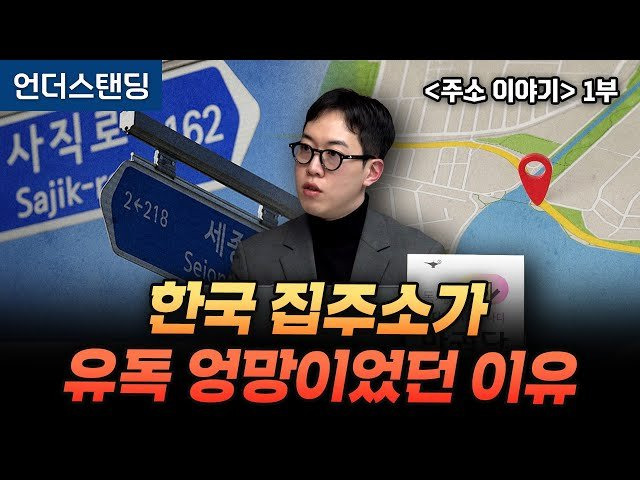
(1부) 주소를 보면 그 나라가 보입니다 | 북언더스탠딩 | 주소 이야기 | 남궁민 북칼럼니스트
이 영상은 **주소의 탄생**과 그 이면에 숨겨진 **감시의 역사**를 파헤칩니다. 주소가 단순한 위치 정보가 아닌, 국가 권력의 통제 수단으로 활용되어 왔음을 밝히고 있습니다. 과거 독립운동가
lilys.ai
주소의 탄생: 통제와 감시의 역사
현대인에게 주소는 너무나 당연한 일상의 일부처럼 느껴집니다. 하지만 역사적으로 볼 때, 주소 체계는 단순한 위치 표시가 아닌 국가의 효율적인 통제 시스템으로 출발했습니다.
1767년 오스트리아 합스부르크 제국에서는 티롤과 포어아를베르크 지역에 최초로 주택 번호를 도입했습니다^6. 이 번호 체계는 몇 년 안에 모든 오스트리아와 보헤미아 영토로 확대되었는데, 그 이유는 단순하게도 세금 징수와 군대 징집을 위해서였습니다^6. 주택 번호와 인구 조사를 통해 군사 서비스 의무가 있는 사람들을 쉽게 추적할 수 있었던 것이죠.
프랑스에서도 비슷한 이유로 1768년 3월 1일, 루이 15세가 병사들의 민간인 가정 숙박을 추적하기 위해 프랑스의 모든 가옥에 번호를 부착하도록 명령했습니다^12.
이처럼 주소 체계는 국가가 국민을 효율적으로 관리하고 통제하기 위한 필요에서 시작되었습니다. 특히 전쟁에 필요한 인력을 동원하고, 세금을 징수하기 위한 실용적인 목적이 주된 동기였습니다.
숫자와 이름: 개인 식별의 수단으로서의 주소
주소는 단순한 위치 정보를 넘어 개인을 식별하고 사회적 위치를 파악하는 중요한 데이터로 자리 잡았습니다. 한국 사회에서는 "어디 살아요?"라는 질문이 단순한 호기심을 넘어 상대방의 사회적 지위를 가늠하는 척도가 되기도 합니다.
영국에서는 집에 이름을 붙이는 전통이 있었는데, 이는 우편 주소가 정립되기 전 위치와 소유권을 식별하기 위한 방법이었습니다^2. "포터 농장"과 같은 이름은 그 지역의 유일한 집이었을 때 참조점으로 사용되었고, 나중에 그 도로는 "포터 로드"로 명명되기도 했습니다^2.
미국 맨해튼의 격자형 주소 체계인 '1811년 위원회 계획'은 도시 개발의 가장 중요한 문서로 불리며, "아름다움, 질서, 편의성을 결합했다"고 평가받습니다^10. 그러나 이 체계도 결국은 땅의 질서 있는 개발과 판매를 위한 통제 수단이었습니다.
주소 없는 세상: 글로벌 현실과 도전
놀랍게도 UN에 따르면 전 세계적으로 약 40억 명의 사람들이 주소 없이 살고 있으며, 국가의 3/4이 제대로 된 주소 체계를 갖추고 있지 않다고 합니다^5. 주소가 없다는 것은 단순히 우편물을 받지 못하는 것이 아니라, 사회 시스템에서 배제되는 것을 의미합니다.
주소가 없으면 학교에 가거나 은행 계좌를 개설하는 것과 같은 기본적인 서비스에 접근하기 어렵습니다. 이 문제를 해결하기 위해 what3words라는 기술 스타트업은 세계를 3미터 사각형 단위로 나누어 각 구역에 고유한 세 단어 조합을 부여하는 혁신적인 솔루션을 개발했습니다^5. 예를 들어, CN 타워의 기반은 "ribs-grow-oatmeal"로 표시됩니다.
몽골은 2016년 7월부터 이 시스템을 국가 우편 시스템으로 채택했고, 캐나다 대사관의 공식 주소는 "listen-backpacks-motive"가 되었습니다^5. 이는 주소 체계가 국가 발전과 사회 시스템 구축에 얼마나 중요한지를 보여주는 사례입니다.
도로명 vs 지번: 서로 다른 사회 철학의 반영
한국은 최근 지번 주소에서 도로명 주소로 전환했습니다. 2011년 7월 29일에 도입된 도로명 주소 시스템은 미국, 캐나다, 호주, 유럽에서 사용하는 것과 유사하게 거리 이름과 건물 번호를 사용합니다^4. 반면, 이전의 지번 주소 체계는 일본과 함께 사용했던 체계로, 2013년 12월 31일부로 공식적으로 폐지되었습니다^4.
도로명 주소는 더 동적인 시스템을 지향합니다. 도로는 폭에 따라 '대로'(8차선 이상), '로'(2~7차선), '길'(기타)로 구분되며, 짝수와 홀수 번호가 도로의 양쪽에 체계적으로 배치됩니다^4. 이런 체계는 물류와 배송에 더 효율적이며, 현대 사회의 빠른 이동과 변화를 반영합니다.
반면, 지번 주소는 정적인 특성을 가지고 있으며, 조선 시대 농경 사회에 기반한 토지 중심적 체계입니다. 이 차이는 단순한 주소 표기법의 차이가 아니라, 사회가 추구하는 가치와 운영 방식을 반영합니다.
감시와 통제: 천주교 박해에서 디지털 감시까지
주소 체계는 역사적으로 특정 집단을 색출하는 도구로도 사용되었습니다. 조선 시대 천주교 박해 당시, 신자들은 박해를 피해 은밀하게 이동해야 했습니다. 심낙천이라는 신자는 가족과 함께 인천 함박리로 이주했다가 1866년 병인박해 때 옹기 움막에서 기도하던 중 포졸들에게 붙잡혔습니다^9.
현대 사회에서는 디지털 기술의 발전으로 감시의 형태가 더욱 정교해졌습니다. 뉴욕 경찰은 맨해튼, 브루클린, 브롱크스에 15,280개의 감시 카메라를 설치하여 안면 인식 소프트웨어와 연동해 사람들을 추적할 수 있습니다^8. 이는 "당신은 결코 익명이 아니다. 시위에 참가하든, 특정 동네를 걷든, 단순히 식료품을 쇼핑하든 - 당신의 얼굴은 수천 개의 카메라 지점에서 안면 인식 기술로 추적될 수 있다"는 경고로 이어집니다^8.
인터넷 시대에서는 ISP(인터넷 서비스 제공자)가 모든 연결을 기록하고, FBI와 같은 기관은 여러분의 브라우저 내역을 직접 접근하지 않고도 ISP에 데이터를 요청할 수 있습니다^17. 구글은 사용자가 로그인한 상태에서 검색한 모든 검색 기록을 저장합니다^18.
이처럼 주소는 물리적 위치를 넘어 디지털 공간에서도 우리를 식별하고 추적하는 수단으로 확장되고 있습니다.
주소와 성씨: 개인 식별의 완성
주소 체계와 성씨 체계는 밀접하게 연결되어 있습니다. 1909년 조선에서는 민적법이 공포되었는데, 이는 "인민의 가족신분 관계를 법률상 명확히 함과 동시에 전국의 호구수를 정확히 파악하기 위한" 목적이었습니다^7. 이 법은 모든 사람이 가(家) 단위로 호적에 오르게 했으며, 일제 강점기의 시작과 함께 실시되었습니다.
성씨와 주소가 결합되면 개인을 더 정확하게 특정할 수 있게 됩니다. 이는 개인의 신원을 확인하는 데 도움이 되지만, 역사적으로는 통제와 감시의 도구로 활용되었습니다.
주소, 그 이상의 의미: 미래의 도전과 기회
오늘날 주소 체계는 더 이상 단순한 위치 표시나 통제의 도구만이 아닙니다. 그것은 사회적 안전망의 기초이자, 물류와 서비스 전달의 핵심 인프라가 되었습니다.
전 세계적으로 주소가 없는 수십억 명의 사람들에게 주소를 제공하는 것은 단순히 위치를 부여하는 것이 아니라, 그들에게 공식적인 정체성을 부여하고 기본적인 서비스에 접근할 수 있게 하는 중요한 과제입니다.
동시에, 디지털 시대의 개인정보 보호와 프라이버시 문제는 우리가 주소와 위치 정보를 어떻게 관리하고 보호할 것인지에 대한 새로운 질문을 던집니다.
주소는 단순한 숫자와 글자의 조합이 아닙니다. 그것은 우리의 역사와 문화, 사회 시스템의 작동 방식, 그리고 국가와 개인의 관계를 반영하는 복잡한 시스템입니다. 주소의 이면에 숨겨진 이야기를 이해함으로써, 우리는 과거의 교훈을 배우고 더 공정하고 포용적인 미래를 설계할 수 있을 것입니다.
여러분의 주소는 단순한 위치가 아닌, 사회 속에서의 여러분의 위치와 정체성을 말해주는 강력한 표식입니다. 그 의미를 새롭게 인식하며, 주소가 없는 이들에게도 존엄과 권리가 보장되는 세상을 향해 나아가야 하지 않을까요?
#주소체계 #도로명주소 #지번주소 #감시사회 #개인정보 #국가통제 #역사 #정체성 #디지털감시 #사회시스템 #주소의역사 #주소와권력 #위치정보 #물류시스템 #프라이버시
Behind the Address: Not Just Location Information, But a Tool of State Control
Did you know that the 'address' we use daily is not simply for receiving mail, but has evolved as a means of surveillance and control by state power? Today, we'll explore the birth of the address system and its hidden historical significance, delving into the true meaning of 'address' that defines our identity.
The Birth of Addresses: A History of Control and Surveillance
For modern people, addresses seem like an obvious part of daily life. However, historically, address systems started not as simple location indicators but as efficient control systems for the state.
In 1767, the Habsburg Empire of Austria introduced house numbers for the first time in the regions of Tyrol and Vorarlberg^6. This numbering system expanded to all Austrian and Bohemian territories within a few years, simply for tax collection and military recruitment^6. House numbers and census made it easier to track those liable for military service.
In France, for similar reasons, on March 1, 1768, Louis XV ordered all houses in France to be numbered to track the quartering of soldiers in civilian homes^12.
Thus, address systems began out of the need for states to efficiently manage and control their citizens. Particularly, the practical purpose of mobilizing manpower needed for war and collecting taxes was the main motivation.
Numbers and Names: Addresses as a Means of Personal Identification
Addresses have become an important data point beyond simple location information for identifying individuals and understanding social positions. In Korean society, the question "Where do you live?" goes beyond mere curiosity to become a measure of the other person's social status.
In Britain, there was a tradition of naming houses, which was a method of identifying location and ownership before postal addresses were established^2. Names like "Potter Farm" were used as reference points when it was the only house in an area, and later the road might be named "Potter Road"^2.
Manhattan's grid address system, the 'Commissioners' Plan of 1811,' is called the most important document in urban development and is praised for "combining beauty, order, and convenience"^10. However, this system was ultimately a means of control for the orderly development and sale of land.
A World Without Addresses: Global Reality and Challenges
Surprisingly, according to the UN, about 4 billion people worldwide live without addresses, and three-quarters of countries do not have proper address systems^5. Not having an address means not just being unable to receive mail, but being excluded from social systems.
Without an address, it's difficult to access basic services like going to school or opening a bank account. To solve this problem, a tech startup called what3words developed an innovative solution that divides the world into 3-meter squares and assigns a unique combination of three words to each section^5. For example, the base of the CN Tower is marked as "ribs-grow-oatmeal".
Mongolia adopted this system as its national postal system in July 2016, and the official address of the Canadian embassy became "listen-backpacks-motive"^5. This case shows how important address systems are for national development and building social systems.
Road Name vs. Lot Number: Reflection of Different Social Philosophies
Korea recently switched from lot-based addresses to road name addresses. The road name address system introduced on July 29, 2011, uses street names and building numbers, similar to systems used in the United States, Canada, Australia, and Europe^4. In contrast, the previous lot-based address system was used together with Japan and was officially abolished on December 31, 2013^4.
Road name addresses aim for a more dynamic system. Roads are classified according to width: '-daero' (8 or more lanes), '-ro' (2-7 lanes), and '-gil' (others), and even and odd numbers are systematically arranged on both sides of the road^4. This system is more efficient for logistics and delivery, reflecting the fast movement and changes in modern society.
On the other hand, lot-based addresses have static characteristics and are a land-centered system based on the agricultural society of the Joseon era. This difference is not simply a difference in address notation, but reflects the values and operational methods that society pursues.
Surveillance and Control: From Catholic Persecution to Digital Surveillance
Address systems have historically been used as tools to identify specific groups. During the Joseon Dynasty's persecution of Catholics, believers had to move secretly to avoid persecution. A believer named Sim Nak-cheon moved with his family to Hambak-ri, Incheon, but was caught by police while praying in a pottery hut during the Byeongin Persecution of 1866^9.
In modern society, with the development of digital technology, forms of surveillance have become more sophisticated. New York police have installed 15,280 surveillance cameras in Manhattan, Brooklyn, and the Bronx that can track people in conjunction with facial recognition software^8. This leads to the warning that "you are never anonymous. Whether you're attending a protest, walking to a particular neighborhood, or just grocery shopping - your face can be tracked by facial recognition technology from thousands of camera points"^8.
In the internet age, ISPs (Internet Service Providers) record all connections, and agencies like the FBI can request data from ISPs without directly accessing your browser history^17. Google stores all search history when users search while logged in^18.
Thus, addresses are extending beyond physical locations to means of identifying and tracking us in digital spaces as well.
Addresses and Surnames: Completion of Personal Identification
Address systems and surname systems are closely connected. In 1909, the Civil Registration Law was announced in Joseon, with the purpose of "clarifying people's family status relations by law and accurately grasping the number of households nationwide"^7. This law made everyone register in the family registry by household unit and was implemented with the beginning of Japanese colonial rule.
When surnames and addresses are combined, individuals can be identified more accurately. This helps verify a person's identity, but historically it has been used as a tool of control and surveillance.
Beyond Addresses: Future Challenges and Opportunities
Today, address systems are no longer simply location indicators or tools of control. They have become the foundation of social safety nets and key infrastructure for logistics and service delivery.
Providing addresses to billions of people worldwide who don't have them is not simply about assigning locations, but an important task that gives them official identities and access to basic services.
At the same time, privacy issues in the digital age pose new questions about how we manage and protect address and location information.
Addresses are not simple combinations of numbers and letters. They are complex systems that reflect our history and culture, how social systems work, and the relationship between the state and individuals. By understanding the stories hidden behind addresses, we can learn lessons from the past and design a more fair and inclusive future.
Your address is not just a location, but a powerful marker that speaks to your position and identity in society. With a new awareness of its meaning, shouldn't we move toward a world where dignity and rights are guaranteed even to those without addresses?
#AddressSystem #RoadNameAddress #LotNumberAddress #SurveillanceSociety #PersonalInformation #StateControl #History #Identity #DigitalSurveillance #SocialSystem #HistoryOfAddresses #AddressAndPower #LocationInformation #LogisticsSystem #Privacy
#주소체계 #도로명주소 #지번주소 #감시사회 #개인정보 #국가통제 #역사 #정체성 #디지털감시 #사회시스템 #주소의역사 #주소와권력 #위치정보 #물류시스템 #프라이버시
'이슈 > 사회' 카테고리의 다른 글
| SK텔레콤 유심 해킹 사태, 알고도 축소했나? 충격적인 신고 과정 전말 공개 (0) | 2025.04.29 |
|---|---|
| 빅테크가 주소 시스템에 주목하는 이유: 위치를 넘어 가치로 (0) | 2025.04.28 |
| 배달의 민족 4조 매출의 그늘: 독일 모기업만 웃는 이유 (0) | 2025.04.28 |
| 충격적인 교실 내 칼부림 사건, 청주 고등학교에서 6명 부상...학교 안전대책 시급하다 (0) | 2025.04.28 |
| KS한국고용정보 개인정보 유출 사태: 22GB 데이터 다크웹 판매 충격 (0) | 2025.04.26 |


