현대 한국 사회는 외로움이라는 역설적 상황에 직면해 있습니다. 그 어느 때보다 디지털로 연결된 세상이지만, 사람들은 그 어느 때보다 깊은 고립감을 느끼고 있습니다. 한쪽에서는 세상과의 접촉을 완전히 차단한 '은둔형 외톨이'가 급증하는 현상이, 다른 한쪽에서는 부담없는 관계를 추구하는 '느슨한 연대'라는 새로운 관계 맺기 방식이 공존하고 있습니다. 이 글에서는 이러한 상반된 현상들이 어떻게 현대 한국인의 변화하는 욕망을 보여주는지, 그리고 우리 사회가 외로움이라는 새로운 전염병과 어떻게 씨름하고 있는지 살펴보겠습니다.

외로움의 대한민국: 단절의 사회학
한국 사회의 외로움은 단순한 개인의 감정 문제를 넘어 심각한 사회적 현상으로 자리잡았습니다. OECD의 '더 나은 삶 지수'에서 한국은 '공동체' 부문에서 최하위권에 머물러 있습니다. 특히 어려운 일을 당했을 때 도움을 청할 수 있는 지인이 전혀 없다고 답한 비율이 20%에 달해 OECD 평균 9%보다 2배 이상 높은 수치를 보입니다^3.
"외로움은 담배 15개비를 피우는 것만큼 건강에 해롭다"
2018년 한국임상심리학회가 발표한 '대한민국 고독지수'에 따르면 대한민국의 고독지수는 100점 중 78점에 달했습니다. 심리학자들은 이러한 고독감의 주요 원인으로 개인주의 심화(62.1%), 계층 간 대립 심화(54.6%), 장기화된 경제 불황(48.3%) 등을 꼽았습니다^6. 더 충격적인 것은 한국리서치 조사에서 4명 중 1명이 상시적 외로움에 노출되어 있다는 점입니다^9.
외로움은 단순한 감정 상태를 넘어 우울증, 자살, 고독사, 일중독, 혐오 범죄 등 다양한 사회 문제의 원인이 되고 있습니다. 세계보건기구는 외로움으로 인한 경제적 손실을 연 1조 달러 규모로 추정할 정도로 심각한 문제로 인식하고 있습니다^11.
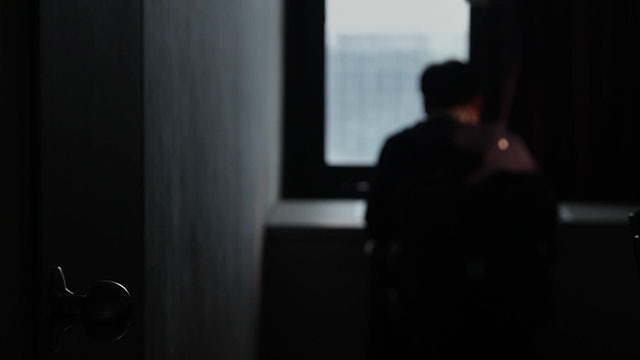
은둔형 외톨이의 증가: 사회적 단절을 선택한 사람들
한국 사회에서 가장 극단적인 형태의 외로움은 '은둔형 외톨이'라는 현상으로 나타나고 있습니다. 외국인들에게는 '히키코모리'라는 일본어로 더 익숙한 이 현상은 일본에서는 1970년대부터, 한국에서는 1997년 IMF 외환위기 이후 보고되기 시작했습니다^19.
은둔형 외톨이란? 최소 3개월 이상 가족 외 사람들과 관계하지 않고, 일상생활 유지를 위한 학업이나 취업 등 사회적 관계를 거부하며, 방이나 집에서 거의 나오지 않는 사람을 말합니다^19.
충격적인 규모의 은둔 청년들
정부의 실태조사에 따르면 한국의 은둔형 외톨이 청년은 약 24만 명에서 최대 54만 명에 이르는 것으로 추산됩니다^5. 특히 충격적인 것은 이들 중 75.4%가 자살을 생각해 본 적이 있다는 점입니다. 이는 전체 청년의 자살 생각 비율(2.3%)보다 압도적으로 높은 수치입니다^5.
은둔 생활의 주요 원인으로는 취업 실패(35.0%), 대인관계 어려움(10.0%), 학업 중단(7.9%) 등이 꼽혔습니다^20. 코로나19 팬데믹은 이러한 상황을 더욱 악화시켰는데, 거리두기로 인해 대인관계 형성 기회가 제한되고 취업 시장이 얼어붙으면서 더 많은 청년들이 '외딴섬'에 고립되는 결과를 낳았습니다^5.
중장년층으로 확대되는 은둔 문제
주목할 점은 은둔형 외톨이 문제가 청년층에만 국한되지 않고 중장년층으로 확대되고 있다는 것입니다. 장기간 은둔 생활을 지속한 사람들이 나이가 들면서 '8050 문제'(50대 자녀가 80대 부모에 의존해 생활하는 현상)로 진화하고 있습니다^19. 이는 일본에서 이미 사회적 문제로 대두된 현상으로, 한국에서도 비슷한 추세가 나타나고 있어 우려를 낳고 있습니다.
새로운 관계 맺기: 느슨한 연대의 부상
한편, 완전한 단절과는 정반대 방향으로 '느슨한 연대'라는 새로운 관계 맺기 방식이 현대 한국 사회, 특히 젊은 세대 사이에서 확산되고 있습니다. 이는 2020년 트렌드 키워드로 떠오른 이후 우리 사회의 중요한 문화적 현상으로 자리 잡았습니다^2.
느슨한 연대란 무엇인가?
느슨한 연대는 '따로 또 같이'라는 표현으로 요약될 수 있는 관계 맺기 방식입니다. 사람과 사람이 맺는 관계의 장점은 취하되, 그런 연결이 주는 부담과 복잡함은 덜어내겠다는 태도입니다^2. 이는 전통적인 '끈끈한 연대'와는 근본적으로 다른 접근 방식입니다.
느슨한 연대 vs 끈끈한 연대
- 주체: '개인' vs '우리'
- 조건: '나의 감정과 개성 존중' vs '공동체를 위한 나의 희생'
- 자유: 언제든 관계를 끊을 수 있음 vs 관계 지속이 암묵적으로 요구됨
- 선택: 자발적 참여와 탈퇴 vs 사회적 의무와 압력^2
밀레니얼 세대와 느슨한 연대
밀레니얼 세대는 기성세대의 혈연, 지연, 학연 중심의 사회적 네트워크에 의문을 제기하고 있습니다. 이들은 자신의 의지와 무관하게 연결된 관계들을 부담스럽게 여기며, 거기에 소모되는 시간과 에너지를 아깝게 생각합니다^2.
"기성세대가 만든 '빽 중심 사회'가 너무나도 불합리하기 때문이다. 혈연, 학연, 지연으로 취업을 청탁하는 사회가 굳어진 현재 문화에서는 실력보다 인맥과 접대가 힘을 발휘한다."^2
대신 이들은 자신의 취향과 목적에 맞는 공동체를 자발적으로 선택하고, 목적이 달성되거나 더 이상 맞지 않다고 느끼면 부담 없이 떠납니다. 이러한 자유로운 분위기 덕분에 한 개인이 참여할 수 있는 느슨한 연대 공동체의 수는 무한하고 제약이 없습니다^2.
욕망의 변화: 소속과 자유 사이의 균형점
은둔형 외톨이의 증가와 느슨한 연대의 확산은 겉으로는 상반된 현상처럼 보이지만, 사실은 현대 한국 사회의 욕망 변화를 보여주는 두 가지 측면이라고 할 수 있습니다.
개인화되는 삶과 관계에 대한 욕망
통계청에 따르면 2021년 대한민국 30대 남성의 미혼자 비중이 사상 처음으로 50%를 돌파했고, 30대 여성의 미혼율도 33.6%에 달했습니다^6. 또한 1인 가구는 2021년 기준 906만 가구로 전체 가구의 39.24%를 차지하며, 1,2인 가구를 합치면 전체의 62%에 이릅니다^14.
이러한 변화는 전통적인 가족 구조와 공동체에 대한 인식의 변화를 보여줍니다. KB금융지주경영연구소의 보고서에 따르면 1인 가구 생활의 장점으로 자유로운 생활과 의사결정(84.4%), 혼자만의 여가시간 활용(75.9%) 등이 꼽혔습니다^14. 이는 현대인들이 관계에서 자율성과 자유를 중요시한다는 것을 의미합니다.
연결에 대한 양가적 욕망
동시에 1인 가구의 가장 큰 걱정거리는 외로움 등 심리적 불안정(46.2%)으로 나타났습니다^14. 이는 자유와 독립을 추구하면서도 여전히 연결과 소속에 대한 욕망이 존재함을 보여줍니다.
"카톡이나 이메일, 페이스북 같은 소셜미디어를 아무리 사용해도 그런 직접 만남의 욕망을 채울 수 없는 한계를 지니고 있다. 다시 말해 외로움의 기회가 더 커진다는 얘기이다."^14
사실 디지털 기술의 발달이 가져온 역설 중 하나는 온라인 연결이 증가할수록 실제 인간 접촉의 기회는 줄어든다는 점입니다. 은행의 ATM 기계, 슈퍼마켓의 셀프 계산대 등은 일상에서의 인간 접촉 기회를 줄이고 있습니다^14.
분초사회와 핵개인의 시대: 가속화되는 외로움
현대 한국 사회를 설명하는 키워드로 '분초사회'와 '핵개인의 시대'가 언급됩니다. 분초사회는 시간의 가성비를 극대화하기 위해 여러 일을 동시에 처리하고 N배속으로 콘텐츠를 소비하는 사회를 의미합니다^11.
"분초를 따져가며 갓생을 사는 것도 좋다. 하지만 가속화된 삶의 방식이 지속되면 안정적으로 사색하고 자신을 반추하는 역량이 떨어질 수밖에 없다."^11
이러한 가속화된 삶과 함께 가족에서 더 쪼개진 '핵개인'으로 살아가는 시대가 도래했습니다. 가족 간의 부양과 돌봄의 역할은 줄어들고, AI와 기술의 도움으로 개개인이 온전히 독립적인 삶을 사는 새로운 질서가 등장하고 있습니다^11.
사회적 대응: 외로움과 단절을 넘어서기 위한 노력
해외 사례: 외로움에 대한 공적 접근
영국은 2018년 세계 최초로 '외로움부'를 신설하고 5개년 계획을 수립했습니다. 특히 '사회적 처방'이라는 혁신적인 보건복지 서비스를 도입해 약물치료 외에도 전문적인 상담과 사회활동 프로그램 참여를 지원하고 있습니다. 이를 통해 이용자의 약 80%는 행복감이 증진되고, 70%는 사회적 고립이 감소하는 효과를 볼 수 있었습니다^3.
독일 역시 외로움 대응 전략을 개발하고 다양한 세대 간 교류 프로그램을 지원하고 있습니다. 예를 들어 전국의 530개 '다세대의 집'을 통해 모든 연령대의 시민이 함께 식사하고 문화·여가 프로그램을 공유할 수 있도록 돕고 있습니다^3.
한국의 대응: 은둔형 외톨이 지원 정책
한국 정부는 최근 들어 은둔형 외톨이 문제에 대한 종합대책을 마련하기 시작했습니다. 2023년 발표된 '고립·은둔 청년 지원 방안'에 따르면 정부는 온라인 자가진단 시스템 구축, 원스톱 서비스 창구 개설, 전담 사례관리사를 통한 상담 등을 계획하고 있습니다^5.
또한 4개 광역시·도에 청년미래센터를 설치해 상담, 일 경험 프로그램 등의 통합 서비스를 제공할 방침입니다^5. 그러나 이러한 정책들이 실제로 얼마나 효과적일지, 그리고 중장년 은둔형 외톨이까지 포괄할 수 있을지는 아직 미지수입니다.
새로운 연결의 가능성: 디지털 시대의 역설
디지털 기술은 외로움을 심화시키는 요인이기도 하지만, 동시에 새로운 연결의 가능성을 제공합니다. 특히 느슨한 연대는 디지털 플랫폼을 통해 더욱 활발하게 이루어지고 있습니다.
그러나 미국 조지아 공대 연구에 따르면 AI와 상호작용이 많은 직원일수록 외로움이나 불면증, 퇴근 후 음주 확률이 높았습니다^11. 이는 디지털 연결이 실제 인간 접촉을 대체할 수 없음을 보여줍니다.
"문제는 우리가 디지털 삶을 부정하는 것이 아니고 피할 수 없다는 사실이다. 그 변화의 핵심은 우리가 디지털 혁명이 주도하는 조직변화에 어떻게 적응하느냐의 문제이다."^14
결론: 함께 그러나 각자, 새로운 균형점을 찾아서
현대 한국 사회는 외로움과 연대 사이에서 새로운 균형점을 찾아가는 과정에 있습니다. 은둔형 외톨이의 증가와 느슨한 연대의 확산은 모두 전통적 관계 방식에 대한 도전이자, 개인의 자율성과 정체성을 더 중요시하는 시대적 변화를 보여줍니다.
"열심히 노력하면 무조건 성공할 수 있었던 과거와 달리 이제는 삶의 방식이 변했다. 생산을 강요하고, 쓸모를 인정받지 못하면 실패한 인생이라 여기는 편견은 접어둬야 할 때다."^19
외로움은 이제 개인의 문제가 아닌 사회적, 국가적 과제가 되었습니다. 영국이나 독일처럼 외로움에 대한 체계적인 공적 접근이 필요하며, 동시에 느슨한 연대와 같은 새로운 관계 맺기 방식이 건강하게 발전할 수 있는 사회적 토양을 만들어야 합니다.
우리는 완전한 고립도, 강제된 소속감도 아닌, '함께 그러나 각자'의 새로운 균형점을 찾아가는 여정에 있습니다. 그 여정에서 타인과의 연결에 대한 본질적 욕망을 잊지 않으면서도, 개인의 자율성과 다양성을 존중하는 새로운 공동체 문화를 만들어갈 필요가 있습니다.
어쩌면 외로움과 연대의 역설적 공존은 우리 시대의 불가피한 증상이 아니라, 더 건강하고 지속 가능한 관계 방식을 향한 과도기적 현상일지도 모릅니다. 그 과도기를 지혜롭게 통과하는 것이 현대 한국 사회의 중요한 과제일 것입니다.
#은둔형외톨이 #히키코모리 #느슨한연대 #외로움 #사회적고립 #1인가구 #밀레니얼세대 #디지털연결 #공동체 #관계욕망 #8050문제 #분초사회 #핵개인 #청년정책 #사회적처방 #가족구조변화 #관계망 #고독지수 #정신건강 #사회적비용
Loneliness and Connection: Hikikomori, Loose Solidarity, and the Changing Desires of Modern Korean Society
Modern Korean society faces the paradox of loneliness. In a world more digitally connected than ever before, people feel more profoundly isolated than at any time in history. On one hand, we see a surge in "hikikomori" (socially withdrawn individuals) who completely cut off contact with the outside world; on the other hand, we observe the rise of "loose solidarity" as a new way of forming relationships. This article explores how these contrasting phenomena reflect the changing desires of contemporary Koreans and how our society is grappling with loneliness as a new epidemic.
South Korea: A Society of Disconnection
In South Korea, loneliness has evolved beyond an individual emotional issue to become a serious social phenomenon. In the OECD's "Better Life Index," South Korea ranks near the bottom in the "community" category. Particularly concerning is that 20% of Koreans report having no one to turn to in times of need—more than twice the OECD average of 9%^3.
"Loneliness is as harmful to health as smoking 15 cigarettes a day"
According to the "South Korean Loneliness Index" released by the Korean Clinical Psychology Association in 2018, Korea's loneliness index scored 78 out of 100. Psychologists identified the main causes of this loneliness as intensified individualism (62.1%), deepening class divisions (54.6%), and prolonged economic recession (48.3%)^6. Even more shocking, a Korea Research survey found that one in four Koreans experiences constant loneliness^9.
Loneliness extends beyond emotional states to become a root cause of various social problems including depression, suicide, solitary deaths, workaholism, and hate crimes. The World Health Organization estimates the economic loss from loneliness at approximately $1 trillion annually, indicating the severity of this issue^11.
The Rise of Hikikomori: Those Who Choose Social Withdrawal
The most extreme form of loneliness in Korean society manifests as the "hikikomori" phenomenon. More familiar to foreigners by its Japanese name, this phenomenon was first reported in Japan in the 1970s and began appearing in Korea after the 1997 IMF financial crisis^19.
What is hikikomori? It refers to people who avoid relationships with anyone except family members for at least three months, reject social connections necessary for daily life such as education or employment, and rarely leave their rooms or homes^19.
The Shocking Scale of Socially Withdrawn Youth
Government surveys estimate that there are between 240,000 to 540,000 young hikikomori in Korea^5. Particularly alarming is that 75.4% of these individuals have contemplated suicide—an overwhelmingly higher percentage than the general youth population's suicide ideation rate of 2.3%^5.
The main causes of withdrawal include employment difficulties (35.0%), interpersonal relationship challenges (10.0%), and discontinued education (7.9%)^20. The COVID-19 pandemic exacerbated this situation by limiting opportunities for forming relationships and freezing the job market, resulting in more young people becoming isolated on "deserted islands"^5.
The Expanding Problem to Middle-aged and Elderly
Notably, the hikikomori problem isn't limited to youth but is expanding to middle-aged and elderly populations. Those who have maintained prolonged withdrawal are aging, creating the "8050 problem" (where 50-year-old children depend on their 80-year-old parents)^19. This phenomenon, already a social issue in Japan, shows similar trends in Korea, raising concerns.
New Ways of Relating: The Rise of Loose Solidarity
In the completely opposite direction from total withdrawal, a new way of forming relationships called "loose solidarity" is spreading throughout modern Korean society, especially among younger generations. After emerging as a trend keyword in 2020, it has established itself as an important cultural phenomenon in our society^2.
What is Loose Solidarity?
Loose solidarity can be summarized by the expression "separate yet together." It's an approach to relationships that takes the advantages of human connections while removing the burdens and complications they bring^2. This fundamentally differs from traditional "tight solidarity."
Loose Solidarity vs. Tight Solidarity
- Subject: 'Individual' vs. 'We'
- Condition: 'Respect for my feelings and individuality' vs. 'My sacrifice for the community'
- Freedom: Ability to end relationships anytime vs. Implicit requirement to maintain relationships
- Choice: Voluntary participation and withdrawal vs. Social obligations and pressure^2
Millennials and Loose Solidarity
Millennials question the older generation's social networks centered on blood ties, regional connections, and school ties. They find relationships formed without their volition burdensome and consider the time and energy spent on them wasteful^2.
"The 'connection-centered society' created by older generations is too unreasonable. In the current culture, where job opportunities are secured through blood, school, and regional ties, connections and entertainment carry more weight than ability."^2
Instead, they voluntarily choose communities that match their tastes and purposes, leaving without burden when goals are achieved or when they no longer feel compatible. Thanks to this free atmosphere, there is no limit to the number of loose solidarity communities an individual can participate in^2.
Changing Desires: Finding Balance Between Belonging and Freedom
The increase in hikikomori and the spread of loose solidarity may seem like opposing phenomena on the surface, but they actually represent two aspects of changing desires in modern Korean society.
Individualizing Lives and Desires for Relationships
According to Statistics Korea, in 2021, the proportion of unmarried men in their 30s exceeded 50% for the first time in history, while the unmarried rate for women in their 30s reached 33.6%^6. Additionally, single-person households numbered 9.06 million in 2021, accounting for 39.24% of all households, and one- and two-person households combined made up 62% of the total^14.
These changes demonstrate shifting perceptions of traditional family structures and communities. According to a KB Financial Group Management Research Institute report, the advantages of living alone include freedom in lifestyle and decision-making (84.4%) and using leisure time alone (75.9%)^14. This indicates that modern people prioritize autonomy and freedom in relationships.
Ambivalent Desires for Connection
At the same time, the biggest concern for single-person households is psychological instability including loneliness (46.2%)^14. This shows that while pursuing freedom and independence, there remains a desire for connection and belonging.
"No matter how much we use KakaoTalk, email, or Facebook, these social media have limitations in fulfilling the desire for direct meetings. In other words, the opportunity for loneliness grows."^14
One paradox brought by digital technology development is that as online connections increase, opportunities for actual human contact decrease. Bank ATMs, supermarket self-checkout counters, and other automated systems reduce opportunities for human contact in daily life^14.
The Era of "Minute Society" and "Nuclear Individuals": Accelerating Loneliness
Keywords describing modern Korean society include "minute society" and "era of nuclear individuals." A minute society refers to one that maximizes time efficiency by handling multiple tasks simultaneously and consuming content at accelerated speeds^11.
"Leading a highly productive life by counting every minute is good. However, if an accelerated lifestyle continues, the capacity to stably contemplate and reflect on oneself inevitably decreases."^11
Along with this accelerated life, we've entered an era where people live as "nuclear individuals," further fragmented from families. The roles of family support and care have diminished, and a new order has emerged where individuals live completely independent lives with the help of AI and technology^11.
Social Responses: Efforts to Overcome Loneliness and Disconnection
International Cases: Public Approaches to Loneliness
In 2018, the UK established the world's first "Ministry for Loneliness" and developed a five-year plan. They introduced an innovative health and welfare service called "social prescribing," supporting not only medication but also professional counseling and social activity program participation. Through this, about 80% of users experienced improved happiness, and 70% saw reduced social isolation^3.
Germany is also developing strategies to combat loneliness and supporting various intergenerational exchange programs. For example, they help citizens of all ages share meals and cultural/leisure programs through 530 "multi-generation houses" nationwide^3.
Korea's Response: Support Policies for Hikikomori
The Korean government has recently begun to develop comprehensive measures for the hikikomori problem. According to the "Support Plan for Isolated and Withdrawn Youth" announced in 2023, the government plans to establish an online self-diagnosis system, open a one-stop service window, and provide counseling through dedicated case managers^5.
They also plan to establish Youth Future Centers in four metropolitan cities to provide integrated services including counseling and work experience programs^5. However, how effective these policies will be and whether they can encompass middle-aged hikikomori remains uncertain.
New Possibilities for Connection: The Paradox of the Digital Age
Digital technology both intensifies loneliness and provides new possibilities for connection. Loose solidarity, in particular, is becoming more active through digital platforms.
However, according to Georgia Tech research, employees with high AI interaction showed higher rates of loneliness, insomnia, and after-work drinking^11. This demonstrates that digital connections cannot replace actual human contact.
"The issue is not that we deny digital life, but that we cannot avoid it. The key to change is how we adapt to the organizational changes led by the digital revolution."^14
Conclusion: Together Yet Separate, Finding a New Balance
Modern Korean society is in the process of finding a new balance between loneliness and solidarity. The increase in hikikomori and the spread of loose solidarity both challenge traditional relationship methods and demonstrate temporal changes that place greater importance on individual autonomy and identity.
"Unlike the past when hard work guaranteed success, the way of life has changed. It's time to set aside prejudices that demand productivity and consider life a failure if usefulness isn't recognized."^19
Loneliness has now become a social and national task rather than an individual problem. A systematic public approach to loneliness, like in the UK or Germany, is necessary, while simultaneously creating social soil where new relationship-forming methods like loose solidarity can develop healthily.
We are on a journey to find a new balance of "together yet separate"—neither complete isolation nor forced belonging. On this journey, we need to create a new community culture that respects individual autonomy and diversity while not forgetting the essential desire for connection with others.
Perhaps the paradoxical coexistence of loneliness and solidarity is not an inevitable symptom of our time but a transitional phenomenon toward healthier and more sustainable relationship methods. Wisely navigating this transition is an important task for modern Korean society.
Related Hashtags and Keywords
#Hikikomori #LooseSolidarity #Loneliness #SocialIsolation #SinglePersonHousehold #MillennialGeneration #DigitalConnection #Community #RelationshipDesires #8050Problem #MinuteSociety #NuclearIndividuals #YouthPolicy #SocialPrescribing #ChangingFamilyStructures #RelationshipNetworks #LonelinessIndex #MentalHealth #SocialCosts
#은둔형외톨이 #히키코모리 #느슨한연대 #외로움 #사회적고립 #1인가구 #밀레니얼세대 #디지털연결 #공동체 #관계욕망 #8050문제 #분초사회 #핵개인 #청년정책 #사회적처방 #가족구조변화 #관계망 #고독지수 #정신건강 #사회적비용
'이슈 > 사회' 카테고리의 다른 글
| 중국인들의 반복되는 한국 군사기지 촬영, 안보 위협인가 취미활동인가? (0) | 2025.04.25 |
|---|---|
| 비교와 집단에서 벗어나기: 한국인의 행복을 위한 새로운 관계 패러다임 (1) | 2025.04.25 |
| 고독을 선택한 철학자는 알고 있었다: 왜 쇼펜하우어 열풍이 지금 한국을 강타했는가? (0) | 2025.04.24 |
| 🤫 조용함의 반란: 왜 모두가 '조용한 트렌드'에 열광하는가? (0) | 2025.04.24 |
| 🌟 '사람들의 교황' 프란치스코, 그의 한국 방문과 남긴 울림 (0) | 2025.04.24 |


