이스라엘과 레바논 간의 분쟁은 이스라엘 건국 이후부터 현재까지 지속되고 있는 중동 갈등의 중요한 축을 형성하고 있습니다. 이 복잡한 관계에서 팔레스타인 해방기구(PLO)는 핵심적인 역할을 해왔습니다. 수십 년에 걸친 이 지역의 분쟁을 통해 레바논은 팔레스타인 투쟁의 중요한 무대이자 희생양이 되어왔습니다.

분쟁의 시작과 역사적 배경
이스라엘 건국 선포 직후인 1948년 5월 15일, 이집트, 요르단, 시리아와 함께 레바논도 1차 아랍-이스라엘 전쟁에 참여했습니다^1. 이 과정에서 약 75만 명의 팔레스타인인이 난민이 되었고, 그중 약 10만 명이 레바논 남부 지역으로 피난했습니다^1.
이스라엘은 레바논 남부 지역의 팔레스타인 난민들을 더 북쪽으로 밀어내기 위해 여러 차례 군사 작전을 펼쳤습니다. 1978년 3월 14일에는 '리타니 작전'이라는 이름으로 레바논 남부를 침공해 리타니 강까지 점령했고, 이 과정에서 약 2,000명의 레바논인과 팔레스타인인이 사망하고 25만 명이 난민이 되었습니다^1.
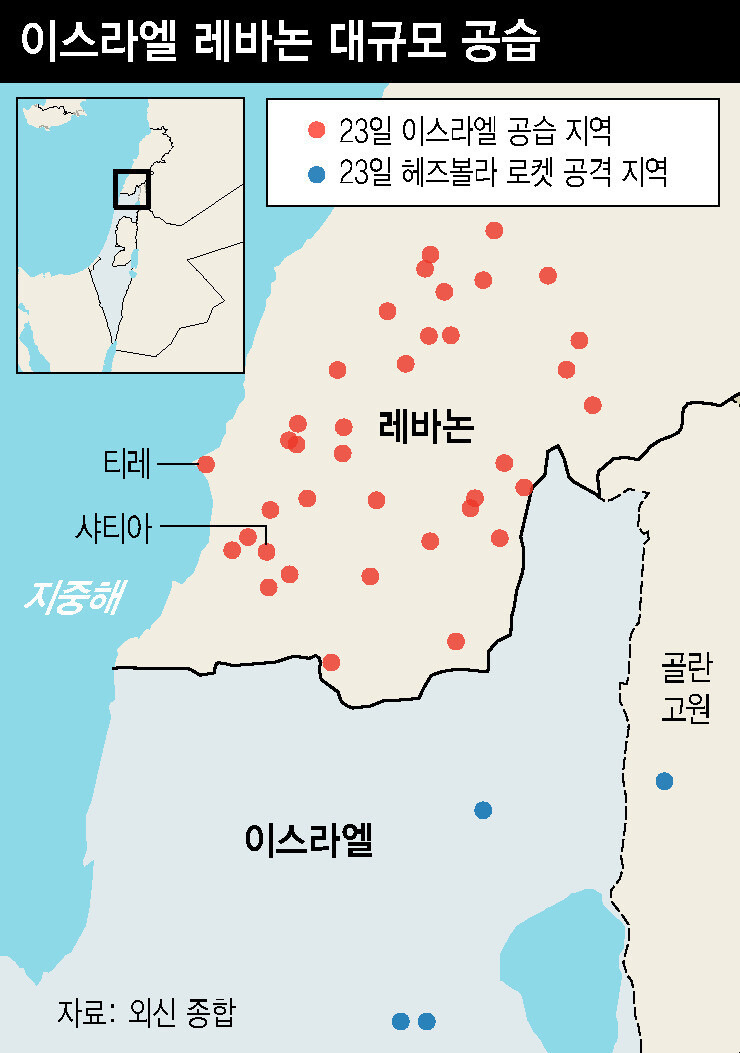
1982년 레바논 침공: 분수령이 된 전쟁
1982년 레바논 침공은 이스라엘과 팔레스타인 분쟁의 가장 중요한 분수령이 되었습니다. 당시 이스라엘 국방장관이었던 아리엘 샤론이 설계한 이 침공은 그 목표와 규모 면에서 이전의 작전들과 크게 달랐습니다^2.
이 침공의 공식적인 명분은 PLO를 레바논에서 제거하는 것이었으나, 샤론의 실제 목표는 더 광범위했습니다. 그는 팔레스타인 해방기구와 시리아 무장세력을 레바논에서 축출하고, 베이루트에 친이스라엘 정부를 수립하고자 했습니다^2.

전쟁의 규모와 피해
1982년 침공에는 8개 사단 12만 명이 참여했는데, 이는 1973년 전쟁 이후 최대 규모의 동원이었습니다^2. 레바논의 공식 통계에 따르면, 1982년 6월 초부터 10월 중순까지 약 10주간 벌어진 전투에서 팔레스타인과 레바논인 1만 9,000여 명이 사망하고 3만 명 이상이 부상을 당했으며, 희생자의 대부분은 민간인이었습니다^2.
이스라엘군은 베이루트를 포위하고 대규모 포격을 가했으며, 이 과정에서 민간인 거주지역에 대한 무차별적 폭격이 이루어졌습니다^3. 레바논 경제는 베이루트 포위 이후 악화일로를 걸었습니다^3.
PLO의 철수와 그 여파
이스라엘과 미국의 압박, 그리고 아랍 국가들의 무관심 속에서 PLO는 결국 베이루트에서 철수하기로 합의했습니다^2. 1982년 8월 21일부터 9월 1일 사이에 팔레스타인 해방기구 전사들과 전투 부대 수천 명이 베이루트를 떠났습니다^2.
그러나 비극은 여기서 끝나지 않았습니다. 9월 14일 친이스라엘 파흔게당 지도자인 바시르 제마옐 대통령 당선자가 암살된 후, 이스라엘군은 철수 약속을 어기고 베이루트 서쪽을 점령했습니다^2. 그리고 9월 16일부터 18일까지 이스라엘의 묵인 하에 친이스라엘 민병대가 사브라와 샤틸라 난민캠프에서 약 1,300명 이상의 팔레스타인인과 레바논인을 학살했습니다^2.
PLO와 레바논의 관계
PLO는 레바논 내에서 특별한 지위를 가지고 있었습니다. 공식적인 협정에 따라 PLO는 레바논 남부의 많은 지역에서 팔레스타인 난민촌을 통제하고 행동의 자유를 누렸습니다^2.
그러나 시간이 지남에 따라 중무장한 PLO는 레바논 내에서 점차 지배권을 장악하게 되었고, 이는 레바논 국민들의 불만을 야기했습니다^2. 또한 PLO의 군사 활동으로 인해 이스라엘이 레바논 민간인을 공격하는 상황에 대한 분노도 커졌습니다^2.
전쟁의 장기적 영향
1982년 레바논 전쟁은 중동 지역에 지금까지도 영향을 미치는 대대적인 변화를 가져왔습니다. 가장 중요한 결과는 다음과 같습니다:
- 헤즈볼라의 부상: 이스라엘의 침공과 그 여파로 레바논 내에서 헤즈볼라가 강력한 무장단체로 성장했습니다^2. 헤즈볼라는 이후 이스라엘과 미국에 대한 심각한 위협이 되었습니다.
- 레바논 내전의 격화: 이스라엘의 침공은 이미 진행 중이던 레바논 내전을 더욱 복잡하고 장기화시켰습니다^2.
- 국제적 이미지 변화: 이 전쟁으로 인해 이스라엘의 국제적 이미지가 크게 손상되었으며, 반대로 팔레스타인인들은 국제적 공감을 얻게 되었습니다^2.
- 미국-아랍 관계 악화: 미국이 이스라엘을 지원한 것은 아랍 세계에서 반미 감정을 증폭시켰습니다^2.
현재까지 이어지는 갈등
2024년 9월 기준, 이스라엘은 레바논 내 헤즈볼라에 대한 새로운 군사 작전을 준비하고 있습니다. 이스라엘 군 참모총장은 병사들에게 "적의 영토로, 헤즈볼라가 대규모 군사 전초 기지로 예비해 둔 마을로 들어가는 작전"을 준비 중이라고 밝혔습니다^4.
이는 1948년부터 시작된 이스라엘-레바논 분쟁이 여전히 해결되지 않고 있음을 보여줍니다. 팔레스타인 해방기구의 역할은 축소되었지만, 헤즈볼라와 같은 새로운 행위자의 등장으로 갈등은 계속되고 있습니다.
결론
이스라엘-레바논 분쟁과 팔레스타인 해방기구의 역할은 중동 갈등의 복잡한 역사를 이해하는 데 중요한 부분입니다. 1982년 레바논 침공은 이 지역의 정치적 지형을 영구적으로 변화시켰으며, 그 여파는 오늘날까지 계속되고 있습니다. 이 갈등의 해결은 중동 평화를 위한 핵심 과제로 남아있습니다.
Israel-Lebanon Conflict and the Palestine Liberation Organization: A History of Unending Tensions
The conflict between Israel and Lebanon has formed a crucial axis of Middle Eastern tensions since Israel's establishment, continuing to the present day. In this complex relationship, the Palestine Liberation Organization (PLO) has played a pivotal role. Through decades of regional conflict, Lebanon has become both an important stage for Palestinian resistance and a victim of the ongoing struggles.
The Beginning of Conflict and Historical Background
Immediately following Israel's declaration of independence on May 15, 1948, Lebanon joined Egypt, Jordan, and Syria in the First Arab-Israeli War^1. During this process, approximately 750,000 Palestinians became refugees, with about 100,000 seeking refuge in southern Lebanon^1.
Israel conducted several military operations to push Palestinian refugees in southern Lebanon further north. On March 14, 1978, Israel invaded southern Lebanon under the name "Operation Litani," occupying territory up to the Litani River. This operation resulted in approximately 2,000 Lebanese and Palestinian deaths and created 250,000 refugees^1.
The 1982 Lebanon Invasion: A Watershed Moment
The 1982 Lebanon invasion became the most significant watershed moment in the Israeli-Palestinian conflict. This invasion, designed by then-Israeli Defense Minister Ariel Sharon, differed significantly from previous operations in both its objectives and scale^2.
While the official justification for the invasion was to remove the PLO from Lebanon, Sharon's actual goals were more extensive. He sought to expel both the Palestine Liberation Organization and Syrian armed forces from Lebanon, and to establish a pro-Israel government in Beirut^2.
Scale and Casualties of the War
The 1982 invasion involved 120,000 troops across 8 divisions, making it the largest mobilization since the 1973 war^2. According to official Lebanese statistics, during the approximately 10 weeks of fighting from early June to mid-October 1982, around 19,000 Palestinians and Lebanese were killed and more than 30,000 were injured, with most victims being civilians^2.
Israeli forces surrounded Beirut and conducted massive bombardments, including indiscriminate bombing of civilian residential areas^3. The Lebanese economy deteriorated rapidly after the siege of Beirut^3.
PLO Withdrawal and Aftermath
Under pressure from Israel and the United States, and amid indifference from Arab nations, the PLO eventually agreed to withdraw from Beirut^2. Between August 21 and September 1, 1982, thousands of PLO fighters and combat units left Beirut^2.
However, the tragedy did not end there. After the assassination of President-elect Bashir Gemayel, leader of the pro-Israel Phalange Party, on September 14, Israeli forces broke their withdrawal promise and occupied West Beirut^2. From September 16-18, pro-Israel militias, with Israeli acquiescence, massacred more than 1,300 Palestinians and Lebanese in the Sabra and Shatila refugee camps^2.
The Relationship Between the PLO and Lebanon
The PLO held a special status within Lebanon. According to formal agreements, the PLO controlled Palestinian refugee camps in many areas of southern Lebanon and enjoyed freedom of movement^2.
However, over time, the heavily armed PLO gradually gained dominance in Lebanon, causing discontent among Lebanese citizens^2. Additionally, anger grew over Israel's attacks on Lebanese civilians in response to PLO military activities^2.
Long-term Impact of the War
The 1982 Lebanon War brought massive changes to the Middle East that continue to influence the region today. The most important consequences include:
- The Rise of Hezbollah: Following Israel's invasion and its aftermath, Hezbollah emerged as a powerful armed group within Lebanon^2. Hezbollah subsequently became a serious threat to both Israel and the United States.
- Intensification of the Lebanese Civil War: Israel's invasion made the already ongoing Lebanese civil war more complex and prolonged^2.
- Changes in International Image: This war significantly damaged Israel's international image, while Palestinians gained international sympathy^2.
- Deterioration of US-Arab Relations: American support for Israel amplified anti-American sentiment in the Arab world^2.
Continuing Conflict to the Present
As of September 2024, Israel was preparing new military operations against Hezbollah in Lebanon. The Israeli Army Chief of Staff told soldiers they were preparing for "operations into enemy territory, into villages that Hezbollah has prepared as major military outposts"^4.
This demonstrates that the Israel-Lebanon conflict, which began in 1948, remains unresolved. While the role of the Palestine Liberation Organization has diminished, the conflict continues with the emergence of new actors like Hezbollah.
Conclusion
Understanding the Israel-Lebanon conflict and the role of the Palestine Liberation Organization is crucial to comprehending the complex history of Middle Eastern tensions. The 1982 Lebanon invasion permanently altered the political landscape of the region, and its repercussions continue to this day. Resolving this conflict remains a key challenge for peace in the Middle East.
#중동분쟁 #이스라엘레바논전쟁 #팔레스타인해방기구 #PLO #헤즈볼라 #1982레바논침공 #아리엘샤론 #중동정세 #국제관계 #팔레스타인난민 #레바논내전 #중동역사 #아랍이스라엘갈등 #국제정치 #샤브라샤틸라학살
'이슈 > 국제' 카테고리의 다른 글
| 🔥 권력의 무게추가 기울다: 트럼프 행정부에서 베선트의 부상과 머스크의 추락 (0) | 2025.04.21 |
|---|---|
| 역사의 그림자와 정치적 춤사위: 이시바 총리의 야스쿠니신사 공물 봉납, 그 의미와 파장 (0) | 2025.04.21 |
| 권력과 학문의 자유 사이: 트럼프 대통령의 미국 명문대학 압박 전쟁 (0) | 2025.04.19 |
| 트럼프의 '1807년 반란법' 발동 가능성: 미국 민주주의는 위기에 처했는가? (1) | 2025.04.19 |
| 일라이 릴리: 147년 역사의 글로벌 제약 거인, 비만치료제로 새로운 전성기를 맞다 (0) | 2025.04.18 |


