현재 글로벌 경제는 미국과 중국 간의 치열한 관세 전쟁으로 인해 큰 혼란에 빠져있습니다. 특히 수출 중심 경제인 한국은 이 갈등의 소용돌이 속에서 '새우등' 신세가 되고 말았습니다. 하지만 위기 속에는 항상 기회가 존재합니다. 오늘은 미중 관세 전쟁이 한국 경제에 미치는 영향과 이런 불확실성 속에서 현명한 투자 전략을 살펴보겠습니다. 과연 트럼프의 관세 폭탄 속에서 우리는 어떤 준비를 해야 할까요?
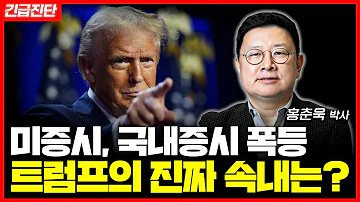
미중 관세 전쟁 집중 분석 : 125% 관세 파장, 한국에 미치는 영향 (홍춘욱 박사)
미중 관세 전쟁이 한국 경제에 미치는 영향과 투자 전략에 대해 분석하는 영상입니다. 트럼프의 관세 정책 목표는 **관세 자체를 정착**시키는 데 있으며, 이는 글로벌 공급망 재편을 가속화하고
lilys.ai
트럼프 관세 정책의 진짜 목표는 무엇인가?
트럼프 대통령은 현지시간 4월 2일, 전 세계 국가를 대상으로 '상호관세' 부과 방침을 공식 발표했습니다. 이 충격적인 발표는 글로벌 통상 환경에 메가톤급 충격을 던졌습니다^12. 그렇다면 트럼프가 추진하는 관세 정책의 실제 목표는 무엇일까요?
관세 정책의 3대 핵심 목표
- 중국 견제: 트럼프 관세 정책의 주된 목적은 중국에 부가 흘러가지 않도록 만드는 것입니다. 2024년 중국의 대미 무역흑자는 2954억 달러로 전체 미 무역 적자의 32.2%를 차지했습니다^10. 지난 트럼프 1기 때 미국의 대중 무역적자 비중은 2016년 48%에서 집권 말기인 2020년 32%로 낮아졌는데, 이는 관세가 대중 무역적자 개선에 효과가 있었음을 보여줍니다^10.
- 제조업 부흥: 미국의 이번 관세 목적은 세계 기업들로 하여금 미국에 공장을 짓도록 하는 데 있습니다. 실제로 트럼프 1기 때 미국으로 유입된 해외직접투자는 2016년 3조5000억 달러에서 2020년 4조6000억 달러로 크게 증가했습니다^10.
- 첨단산업 보호: 미국 관세정책의 또 다른 분명한 목적은 첨단산업 보호입니다. 4차 산업혁명 시대에 기술 패권은 곧 국가 패권이고 군사 안보와도 직결돼 있기 때문입니다^10. 미국은 반도체와 AI, 컴퓨팅, 로봇, 자율시스템, 우주항공 분야에 대한 관세는 웬만해서 양보하지 않을 것으로 보입니다.
한국에 대한 충격적인 25% 관세 부과 계획
트럼프 행정부는 한국에 25%라는 높은 관세율을 적용하기로 결정했습니다. 이는 일본(24%), EU(20%) 등 주요 경쟁국보다 높은 수준으로, 한미 자유무역협정(FTA)이 사실상 효력을 잃어버리는 상황을 초래했습니다^12.
미국은 한국의 비관세 장벽들을 문제 삼았는데, 특히 자동차 시장의 비관세 장벽을 "최악"이라고 비판했습니다. 한국 내 판매 자동차의 81%가 한국산이라는 점과 513%에 달하는 한국의 쌀 관세율도 거론되었습니다^12.
미중 관세 전쟁이 한국 경제에 미치는 충격적 영향
미국과 중국, 두 강대국의 관세 전쟁에 우리 수출은 물론 내수도 심각한 타격을 입을 수 있습니다^14. 비록 한국에 대한 25% 상호 관세가 유예됐다고 해도 안심할 상황이 결코 아닙니다.
직접적 타격: 글로벌 공급망 속 한국의 위치
전 세계 아이폰의 90%는 중국 공장에서 만들어지고, 이 아이폰의 패널과 카메라 일부는 우리 기업이 납품합니다. 중국산 아이폰이 미국에 건너가 고율 관세가 붙으면 미국 시장 판매가 줄어들 것이고, 덩달아 우리 업체의 손해도 불가피합니다^14.
"부담은 결국 소비자와 부품업체들로 전가될 수 있습니다. 소비심리에도 영향을 미쳐 시장이 전반적으로 침체될 가능성도 있습니다." - 부품업계 관계자^14
2023년 우리 대중 수출품 중 5% 수준인 63억 달러가량은 미국으로 재수출됐습니다. 미·중 관세 전쟁으로 이만큼의 우리 수출이 위축될 수 있다는 것입니다^14.
간접적 타격: 중국 제품의 한국 시장 유입
미국 시장만 문제가 아닙니다. 지난해 미국의 중국 상품 수입액은 4,400억 달러, 우리 돈 650조 원에 가깝습니다. 높은 관세로 중국의 대미 수출길이 막히면, 이 상품들이 유럽 등 우리 주요 수출 시장에 쏟아져 나올 수 있습니다^14.
내수 시장 위축이 심한 중국은 이미 한국에 철강 제품 등을 덤핑 가격 수준으로 밀어내고 있는 상황입니다. 미·중 무역 갈등으로 중국 경기가 더 나빠지면, 우리 내수 시장에 대한 중국의 저가 공세가 더욱 심해질 전망입니다^14.
"중국도 수출 외에는 경기를 방어할 수 있는 수단이 없다고 한다면 일정 부분은 수출로 밀어내야 되기 때문에요." - 장상식 무역협회 무역통상연구원장^14
코스피 위기 상황에서의 역발상 투자 전략
주식시장에 있어 밸류에이션은 언제나 중요한 투자 판단 기준이 됩니다. 특히 거시경제 위기 시기마다 코스피(KOSPI)의 PER(주가수익비율), PBR(주가순자산비율)은 시장 심리를 대변하며 극단적인 저점 구간을 형성해 왔습니다^4.
PER과 PBR이란 무엇인가?
- PER (Price to Earnings Ratio): 주가가 기업의 순이익 대비 몇 배로 거래되는지를 보여주는 지표. 낮을수록 이익 대비 주가가 저렴함을 의미합니다^4.
- PBR (Price to Book Ratio): 주가가 자산가치(순자산) 대비 얼마나 평가받고 있는지를 나타냅니다. 1배 미만이면 장부가보다 싼 가격에 거래된다는 뜻입니다^4.
현재 코스피의 PBR이 역사적 저점 근처에 도달한 상황이어서, 이 시기에 역발상 투자를 고려해볼 수 있습니다.
역발상 투자의 장점과 주의점
역발상 투자란 주가가 떨어지는데 그 주식을 매수하는 것을 가리킵니다. 주가 방향과 반대로 투자한다고 해서 붙여진 이름입니다^3.
개인투자자 입장에선 역발상 투자가 부담스럽습니다. 예전 주가와 비교해서 너무 싸다는 생각에 매수 주문을 하면서도 "지금 주가가 진짜 바닥이 아닐지 모른다"는 두려움을 갖게 됩니다^3.
이런 두려움을 해소하려면 분할 매수 전략을 구사하는 것이 좋습니다. 전체 투자 금액을 몇 덩어리로 나눠 주가 흐름을 보면서 매수 시점을 여러 개로 구분하는 방법입니다^3. 분할 매수 전략이 성공하면 평균 매입 단가를 낮춤으로써 오히려 수익률이 올라갈 수 있습니다.
위기 속에서 기회를 포착하는 투자 훈련법
관세와 관련된 악재의 무게가 사실상 올 상반기가 가장 클 수 있다는 계산이 있습니다^10. 미국의 관세 목적과 예상 행보를 점검해 볼 때 이번 미국의 관세 정책은 세계경제에 파장이 꽤나 클 것이나, 시간이 지나면서 불확실성은 점차 줄어들고 협상의 여지는 커질 수 있습니다^10.
위기 상황에서의 실전 투자 접근법
- 현금 보유의 중요성: 시장이 불안정할 때는 투자 여력을 위해 충분한 현금을 보유하는 것이 중요합니다.
- 저가 매수 기회 포착: 요새처럼 주가가 많이 빠진 상황에선 싸게 느껴지는 주식이 많습니다. 그러나 단기 급락을 단기 회복으로 연결하는 기대감은 경계해야 합니다^3.
- 여윳돈으로 투자하기: 역발상 투자 전략으로 저가 매수에 뛰어들더라도 자신의 예상보다 주가 회복 기간이 길어질 수 있는 만큼 시간에 쫓기지 않는 여윳돈으로 투자하는 게 합리적입니다^3.
- 지속적인 투자 훈련: 시장의 공포에 휩싸일 때에는 반대로 행동하는 용기가 필요합니다. 일부라도 투자를 실행해보면 다음 기회에 더 잘 대응할 수 있는 능력을 키울 수 있습니다.
결론: 위기 속 용기와 지혜가 필요한 때
미중 관세 전쟁의 소용돌이 속에서 한국 경제는 분명 어려운 상황에 처해 있습니다. 하지만 역사는 위기 속에서 냉정함을 유지하고 역발상 투자를 감행한 이들에게 기회가 찾아왔음을 보여줍니다.
핵심은 단기 회복에 대한 과도한 기대를 버리고, 장기적 관점에서 시장을 바라보는 것입니다. 시간이 지나면서 관세의 불확실성은 점차 줄어들고 협상의 여지는 커질 수 있으며, 미국의 중국 제재에 따른 반사이익의 틈새도 조금씩 벌어질 수 있습니다^10.
지금은 용기를 내야 할 때입니다. 당장은 어려워 보이지만, 이런 시기야말로 투자자로서의 훈련을 통해 더 큰 기회를 포착할 수 있는 절호의 시간입니다. 누구나 시장이 좋을 때 투자할 수 있지만, 진정한 투자자는 불확실성 속에서도 기회를 찾아내는 법을 알고 있습니다.
여러분은 어떤 선택을 하시겠습니까?
The Whirlpool of US-China Tariff War: Korea's Economic Crisis and Investment Opportunities
The global economy is currently in turmoil due to the intense tariff war between the United States and China. South Korea, with its export-oriented economy, has become a shrimp caught between two whales in this conflict. However, opportunities always exist within crises. Today, we'll examine how the US-China tariff war affects the Korean economy and explore wise investment strategies amid this uncertainty. How should we prepare ourselves amidst Trump's tariff bombs?
What Are the Real Aims of Trump's Tariff Policy?
On April 2nd (local time), President Trump officially announced plans to impose "reciprocal tariffs" on countries worldwide. This shocking announcement sent megaton-level shockwaves through the global trade environment^12. So what are the actual objectives behind Trump's tariff policy?
Three Core Objectives of the Tariff Policy
- Containing China: The primary purpose of Trump's tariff policy is to prevent wealth from flowing to China. In 2024, China's trade surplus with the US was $295.4 billion, accounting for 32.2% of the total US trade deficit^10. During Trump's first term, the US trade deficit with China decreased from 48% in 2016 to 32% by the end of his presidency in 2020, showing that tariffs were effective in improving the trade deficit with China^10.
- Manufacturing Revival: The aim of these tariffs is to encourage global companies to build factories in the United States. During Trump's first term, foreign direct investment into the US increased significantly from $3.5 trillion in 2016 to $4.6 trillion in 2020^10.
- Protecting Advanced Industries: Another clear purpose of US tariff policy is to protect advanced industries. In the era of the Fourth Industrial Revolution, technological hegemony equals national hegemony and is directly linked to military security^10. The US is unlikely to compromise on tariffs related to semiconductors, AI, computing, robotics, autonomous systems, and aerospace.
Shocking 25% Tariff Plan for South Korea
The Trump administration decided to apply a high tariff rate of 25% to South Korea. This is higher than for major competitors such as Japan (24%) and the EU (20%), effectively nullifying the Korea-US Free Trade Agreement (FTA)^12.
The US has taken issue with Korea's non-tariff barriers, particularly criticizing automotive market barriers as "the worst." They pointed out that 81% of cars sold in Korea are Korean-made, and also mentioned Korea's 513% tariff on rice^12.
The Shocking Impact of the US-China Tariff War on the Korean Economy
The tariff war between the two superpowers, the United States and China, could severely damage not only our exports but also domestic consumption^14. Even though the 25% reciprocal tariff on Korea has been deferred, we are far from being in a position to feel relieved.
Direct Impact: Korea's Position in the Global Supply Chain
90% of iPhones worldwide are manufactured in Chinese factories, and Korean companies supply some of the panels and cameras for these iPhones. If high tariffs are imposed on Chinese-made iPhones entering the US, sales in the American market will decrease, inevitably causing losses for our component companies as well^14.
"The burden will ultimately be transferred to consumers and component companies. It may also affect consumer sentiment, potentially leading to a general market downturn." - Component industry representative^14
About 5% of our exports to China, amounting to approximately $6.3 billion in 2023, were re-exported to the United States. This much of our exports could be reduced due to the US-China tariff war^14.
Indirect Impact: Influx of Chinese Products into the Korean Market
The US market isn't the only concern. Last year, US imports of Chinese goods amounted to $440 billion, close to 650 trillion Korean won. If high tariffs block China's export path to the US, these products could flood our major export markets such as Europe^14.
China, already experiencing domestic market contraction, is pushing steel products into Korea at dumping price levels. If the US-China trade conflict worsens China's economy further, China's low-price offensive on our domestic market is expected to intensify^14.
"If China has no means to defend its economy other than exports, it will have to push out a certain portion through exports." - Jang Sang-sik, Director of the Institute for International Trade at the Korea International Trade Association^14
Contrarian Investment Strategies in the KOSPI Crisis
Valuation is always an important investment criterion in the stock market. Especially during macroeconomic crises, KOSPI's PER (Price to Earnings Ratio) and PBR (Price to Book Ratio) reflect market sentiment and form extreme low points^4.
What Are PER and PBR?
- PER (Price to Earnings Ratio): An indicator showing how many times the price trades relative to the company's net profit. Lower values indicate that the stock is cheap compared to earnings^4.
- PBR (Price to Book Ratio): Indicates how much the stock price is valued relative to asset value (net assets). If it's less than 1, it means the stock is trading at a price cheaper than its book value^4.
With KOSPI's PBR currently approaching historical lows, this might be a time to consider contrarian investment.
Advantages and Cautions of Contrarian Investment
Contrarian investment refers to buying a stock while its price is falling. The name comes from investing in the opposite direction of the price movement^3.
For individual investors, contrarian investment can be burdensome. While placing buy orders thinking the stock is too cheap compared to its previous price, they also fear that "the current price might not be the real bottom"^3.
To alleviate these fears, it's good to employ a divided purchase strategy. This method involves dividing the total investment amount into several portions and distributing purchase points while watching price movements^3. If the divided purchase strategy succeeds, profitability can actually increase by lowering the average purchase price.
Investment Training Methods to Capture Opportunities in Crisis
The weight of negative factors related to tariffs may be greatest in the first half of this year^10. Examining the purpose and expected course of US tariffs, while US tariff policy will have quite an impact on the world economy, uncertainty will gradually decrease over time, and room for negotiation may increase^10.
Practical Investment Approaches in Crisis Situations
- Importance of Cash Holdings: When markets are unstable, it's important to hold sufficient cash for investment capacity.
- Capturing Low-Price Opportunities: In situations like now where stock prices have fallen significantly, many stocks seem cheap. However, one should be cautious about expectations that link short-term plunges to short-term recovery^3.
- Investing with Spare Money: Even when diving into low-price purchases with a contrarian investment strategy, since the stock recovery period may be longer than you expect, it's rational to invest with money that isn't pressed for time^3.
- Continuous Investment Training: Courage to act in the opposite direction is needed when markets are gripped by fear. Executing even a small investment helps build the ability to respond better to the next opportunity.
Conclusion: A Time Requiring Courage and Wisdom Amid Crisis
In the whirlpool of the US-China tariff war, the Korean economy is certainly in a difficult situation. However, history shows that opportunities have come to those who maintained composure during crises and dared to make contrarian investments.
The key is to abandon excessive expectations for short-term recovery and view the market from a long-term perspective. Over time, the uncertainty of tariffs may gradually decrease, room for negotiation may increase, and the niche for reflective benefits from US sanctions against China may also widen bit by bit^10.
Now is the time to take courage. It may seem difficult right now, but this period is an excellent opportunity to capture greater opportunities through training as an investor. Anyone can invest when the market is good, but true investors know how to find opportunities even in uncertainty.
What choice will you make?
#미중관세전쟁 #한국경제위기 #역발상투자 #트럼프관세정책 #코스피투자전략 #PBR역사적저점 #글로벌공급망재편 #새우등경제 #투자기회 #분할매수전략 #첨단산업보호 #대미수출전략 #위기속기회 #주식시장분석 #관세불확실성
'이슈 > 경제' 카테고리의 다른 글
| 트럼프의 미치광이 전략 해부: 허점과 투자 대응법 (1) | 2025.04.11 |
|---|---|
| 2025년 4월 11일 부동산 주요 뉴스 총정리: 정부 정책부터 시장 동향까지 (1) | 2025.04.11 |
| 휴머노이드 연합 출범, 2030년 세계 최강국을 향한 한국의 위대한 도전이 시작되다! (1) | 2025.04.11 |
| 한국 증시를 떠났던 외국인, 다시 돌아올까? 외국인 순매도의 비밀과 투자 기회 (0) | 2025.04.10 |
| 한은이 말하는 '정년연장보다 퇴직 후 재고용이 효과적인 이유' (0) | 2025.04.10 |


