평생을 나눔으로 살아온 한 어른과 그에게서 삶의 지혜를 배운 법조인의 이야기는 우리 사회에 깊은 울림을 주고 있습니다. 문형배 헌법재판소 소장권한대행과 그의 은인인 김장하 선생의 인연은 단순한 장학금 지원을 넘어, 우리 사회가 지향해야 할 가치관과 철학을 보여주는 아름다운 사례입니다. 오늘은 이 두 인물의 특별한 이야기를 통해 나눔과 사회 환원의 의미를 함께 생각해보려 합니다.
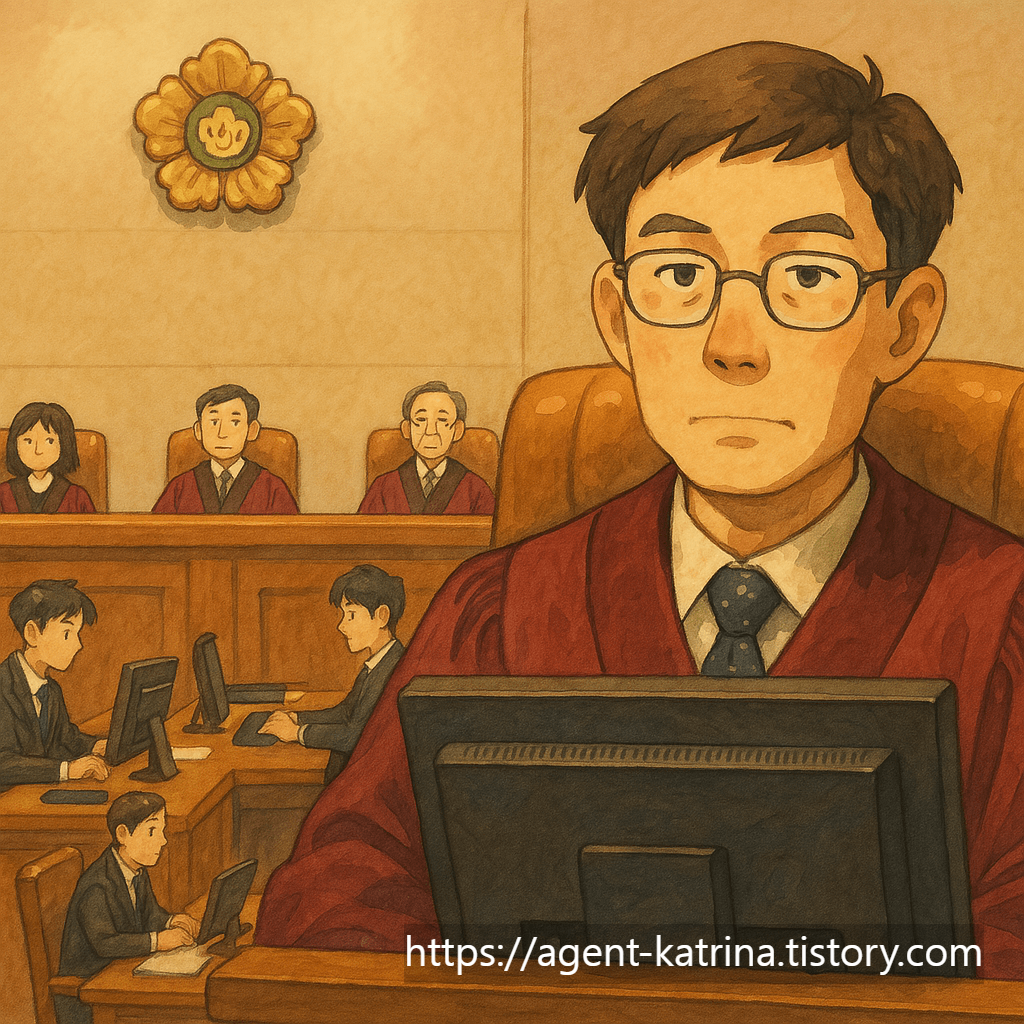
가난한 농부의 아들에서 헌법재판관으로
문형배 헌법재판관은 1965년 경남 하동군에서 가난한 농부의 3남 1녀 중 장남으로 태어났습니다^4. 서울대학교와 사법연수원에서 보낸 6년을 제외한 48년을 지방에서 살아왔으며, 27년의 판사 생활도 부산·경남 지역에서만 했습니다^4. 그는 농촌 출신으로서 우리나라의 자원이 수도권에 집중되고 지방에 거주하는 국민의 뜻이 충분히 반영되지 않는 현실을 몸소 체험했습니다.
문 재판관의 인생에 전환점이 된 것은 경상남도 진주의 독지가인 김장하 선생과의 만남이었습니다. 그는 고등학교 2학년 때부터 대학 졸업까지 김장하 선생의 장학금을 받아 학업을 마칠 수 있었고, 덕분에 사법시험에 합격하여 법관이 될 수 있었습니다^4.
"사법시험에 합격하여 감사의 인사를 드리러 간 자리에서 '내게 고마워 할 필요는 없다. 나는 이 사회의 것을 너에게 주었으니 갚으려거든 내가 아니라 이 사회에 갚아라'라고 한 선생의 말씀을 한 시도 잊은 적이 없다"^4
문형배 재판관은 2019년 국회 인사청문회에서 이 말을 회상하며, 법관의 길을 걸어온 27년 동안 헌법의 숭고한 의지가 사회에서 올바로 관철되는 길을 찾는 데 전력을 다했다고 말했습니다. 그는 김장하 선생의 가르침대로 우리 사회에 진 빚을 갚는 것이 자신의 사명이라고 여기며 살아왔습니다^4.
[이슈/사회] - 어른이란 무엇인가?: 김장하 선생님의 삶을 통해 본 진정한 나눔의 의미
어른이란 무엇인가?: 김장하 선생님의 삶을 통해 본 진정한 나눔의 의미
평생 자신보다 사회를 위해 헌신했지만, 그 어떤 칭송도 거부했던 진정한 어른이 있습니다. 경남 진주에서 60년 가까이 한약방을 운영하며 모은 전 재산을 조용히 사회에 환원한 김장하 선생님
agent-katrina.tistory.com
'어른 김장하' - 소리 없이 베푸는 삶의 철학
김장하 선생은 어떤 분일까요? 1922년 경상남도 진주에서 태어난 김장하 선생은 평생 지역사회와 나라를 위한 봉사와 기부를 실천해온 인물로, 일제강점기부터 6.25 전쟁, 그리고 산업화 시기를 거치며 진주 지역의 교육과 복지, 문화 인프라를 조성하는 데 헌신했습니다^3.
그는 유학 가문 출신으로, '남명(南冥) 학파'의 유풍(儒風)이 짙은 서부 경남에서 태어나고 활동했습니다^6. 조선 중기 영남우도를 중심으로 영남학파의 거두 조식의 학식과 덕행을 존숭하며 생겨난 남명학파는 특히 실천적 학풍을 강조했는데, 김장하 선생의 삶은 이러한 실천적 학풍을 그대로 보여줍니다^6.
19세의 젊은 나이에 한약업사 자격을 얻은 김장하 선생은 진주에서 '남성당한약방'을 50여 년 운영하며 번 돈을 개인을 위해 쓰지 않고 온전히 지역사회를 위해 희사했습니다^6. 그의 조건 없는 지원은 사회, 문화, 예술, 언론, 환경, 역사, 여성 등 전방위적이었습니다.
"똥은 쌓아두면 구린내가 나지만 흩어버리면 거름이 되어 꽃도 피우고 열매도 맺습니다. 돈도 이와 같아서 주변에 나누어야 사회에 꽃이 핍니다."^6
특히 그는 20대 젊은 시절부터 가정 형편이 어려운 학생들을 남몰래 도왔으며, 지금까지 장학금을 받은 사람이 1,000명을 웃도는 것으로 알려졌습니다^6. 그런데 놀라운 것은 그가 어떠한 행사도, 사진도 남기지 않았다는 점입니다. 그의 신조는 '줬으면 그만이지'였기 때문입니다^6.
김장하 선생은 1983년 학교법인 남성학숙을 설립해 이듬해 명신고등학교를 세워 10여 년간 이사장으로 있다가 1991년 국가에 기부채납했고, 1990년 시민주로 창간했던 옛 <진주신문> 주주·이사로 참여했으며 1995년부터 27년간 '진주(신문)가을문예'를 지원했습니다^9. 2021년에는 재단을 해산하면서 당시 남은 기금 34억 원을 경상국립대학교에 기탁했습니다^9.
청렴과 소박함으로 이어가는 가치의 릴레이
문형배 재판관은 김장하 선생의 가르침을 삶의 지표로 삼았고, 이는 그의 청렴한 생활 방식에서도 잘 드러납니다. 2019년 국회 인사청문회에서 그의 소박한 재산 규모(약 6억 7천만 원)가 언급되었는데, 이는 헌법재판관 후보들의 평균 재산에 비해 현저히 적은 금액이었습니다^10.
그는 이에 대해 "제가 결혼할 때 다짐한 게 있습니다. 평균인의 삶에서 벗어나지 않아야 되겠다 생각했습니다"라고 답변하며 소박한 삶의 철학을 밝혔습니다^10. 또한 헌법재판관 임기 종료 후 영리 목적의 변호사 개업을 하지 않겠다고 명확히 약속했습니다. "영리 목적에 변호사 개업 신고는 하지 않겠습니다"라고 답변하여 전관예우에 대한 우려를 불식시키고 후배 법관들에게 모범을 보이겠다는 의지를 드러냈습니다^10.
문형배 재판관은 특히 지역불균형 해소와 지방분권을 강조하는 법조인으로도 알려져 있습니다. 그는 "1인당 국민소득 3만 불을 달성한 2019년의 대한민국에서 지역불균형 해소는 시급하고도 중대한 문제"라고 생각하며, "중앙에 집중된 권한을 대폭 지방에 넘기는 분권이 이뤄져야 하고 그 과정에서 국민의 참여가 보장되어야 한다"고 강조했습니다^4.
헌법재판소의 역할과 중요성
헌법재판소는 국민의 기본권을 보장하고 자유민주적 기본 질서를 지키는 중요한 역할을 담당합니다. 2017년 박근혜 대통령 탄핵 심판 과정에서 볼 수 있듯이, 헌법재판소는 헌법 수호의 최후 보루로서 중대한 결정을 내릴 수 있는 권한을 가지고 있습니다.
2017년 3월 10일, 헌법재판소는 재판관 전원일치로 박근혜 대통령 탄핵 소추안을 인용해 파면을 결정했습니다^5. 재판부는 "피청구인(박근혜)의 법 위배 행위가 헌법 질서에 미치는 부정적 영향과 파급 효과가 중대하므로 피청구인을 파면함으로써 얻는 헌법 수호의 이익이 압도적으로 크다"고 판단했습니다^11.
헌법재판소가 분류한 박 대통령의 탄핵소추 사유는 ▷국민주권주의와 법치주의 위반 ▷대통령의 권한 남용 ▷언론 자유 침해 ▷생명권 보호의무 위반 ▷뇌물수수 등 형사법 위반 등 5가지였습니다^2. 특히 헌재는 박 전 대통령이 최순실 씨의 국정 개입을 허용해 대통령이 자율적으로 국정을 수행하지 않고 사인에게 맡긴 행위로써 헌법의 국민주권주의와 법치주의를 위반했다고 판단했습니다^2.
이러한 중대한 결정을 내리는 헌법재판소의 재판관으로서, 문형배 재판관은 김장하 선생에게서 배운 가치관을 바탕으로 헌법 수호와 국민의 기본권 보장을 위해 노력하고 있습니다.
김장하 선생의 영향력, 다큐멘터리 '어른 김장하'로 재조명
2023년 11월 15일에 개봉한 다큐멘터리 영화 '어른 김장하'는 경남 진주에서 60년간 한약방을 운영해온 김장하 선생의 삶을 조명합니다^3. 이 영화는 김장하라는 개인을 영웅으로 만들기보다는, 그가 실천한 소박하고 지속적인 선의의 영향력을 다양한 사람들의 증언을 통해 담담하게 보여줍니다^3.
문형배 재판관도 영화에 연결된 인물로 등장하며, 김장하 선생이 실천해온 가치의 깊이를 더합니다^3. 영화는 극장 개봉 이후 31,065명의 관객을 모았으며, 105분의 러닝타임 동안 단 한 순간도 감정의 과잉 없이 인물의 진심을 전합니다^3.
'어른은 없고 꼰대만 가득한 시대'라는 물음을 던지며 시작된 영화는, 진정한 어른이란 무엇인가에 대한 진지한 고민을 이끌어냅니다^3. 김장하 선생과 문형배 재판관의 인연은 이러한 진정한 어른의 의미와 가치 전달의 중요성을 우리에게 일깨워 줍니다.
맺음말: 나눔의 가치를 계승하는 삶
김장하 선생과 문형배 재판관의 이야기는 단순한 개인의 성공담이 아닙니다. 그것은 한 사람이 베푼 선한 영향력이 또 다른 사람을 통해 사회로 퍼져나가는 아름다운 선순환의 이야기입니다.
김장하 선생은 평생 자가용 없이 걷거나 자전거를 타고 다녔으며, 집도 따로 없이 한약방 건물 3층에서 기거했을 정도로 소박한 삶을 살았습니다^6. 그럼에도 그가 남긴 나눔의 가치는 문형배 재판관을 비롯한 수많은 사람들의 삶에 깊은 영향을 미쳤고, 그 영향력은 지금도 계속되고 있습니다.
문형배 재판관은 김장하 선생의 가르침에 따라 법관으로서 헌법의 숭고한 의지가 사회에서 올바로 관철되는 길을 찾기 위해 노력해 왔으며, 앞으로도 그 초심을 잃지 않을 것을 약속했습니다. 이러한 가치의 계승과 실천은 우리 사회가 더 나은 방향으로 나아갈 수 있는 중요한 원동력이 될 것입니다.
우리도 김장하 선생과 문형배 재판관의 이야기를 통해, '받은 것을 사회에 환원한다'는 단순하지만 깊은 가치를 삶 속에서 실천해 볼 수 있지 않을까요? 그것이 바로 진정한 '어른'이 되는 길이 아닐까 생각해 봅니다.
여러분은 어떤 가치를 소중히 여기며 살아가고 계신가요? 그리고 그 가치를 어떻게 다음 세대에 전달하고 계신가요? 김장하 선생과 문형배 재판관의 이야기가 우리 모두에게 따뜻한 영감이 되기를 바랍니다.
해시태그
#문형배헌법재판관 #김장하선생 #나눔의철학 #사회환원 #헌법재판소 #어른김장하 #법조인이야기 #장학금이야기 #남성당한약방 #진정한어른 #지역불균형해소 #청렴한삶 #가치의계승 #남명학파 #공익실현 #다큐멘터리추천 #인생멘토 #법관의길 #헌법수호
A Legal Professional Carrying on the Philosophy of Sharing: The Special Connection Between Constitutional Court Justice Moon Hyung-bae and Mr. Kim Jang-ha
The story of an elder who lived his entire life giving to others and a legal professional who learned life wisdom from him resonates deeply in our society. The connection between Constitutional Court Acting President Moon Hyung-bae and his benefactor, Mr. Kim Jang-ha, goes beyond simple scholarship support, representing the values and philosophy our society should aspire to. Today, we'll explore the special story of these two individuals and reflect on the meaning of sharing and giving back to society.
From a Poor Farmer's Son to Constitutional Court Justice
Constitutional Court Justice Moon Hyung-bae was born in 1965 in Hadong, South Gyeongsang Province, as the eldest son among three sons and one daughter of a poor farmer^4. Except for the six years he spent at Seoul National University and the Judicial Research and Training Institute, he lived in provincial areas for 48 years, and spent his entire 27-year career as a judge in the Busan and South Gyeongsang Province region^4. As someone from a rural background, he personally experienced the reality of South Korea's resources being concentrated in the metropolitan area and the voices of citizens living in provincial areas not being adequately reflected.
The turning point in Justice Moon's life was meeting Mr. Kim Jang-ha, a philanthropist from Jinju, South Gyeongsang Province. From his second year of high school until college graduation, he received scholarships from Mr. Kim, which enabled him to complete his studies and pass the bar exam to become a judge^4.
"When I went to express my gratitude after passing the bar exam, he said, 'You don't need to thank me. I gave you what belongs to society, so if you want to repay, repay society, not me.' I have never forgotten those words."^4
Recalling these words during his National Assembly confirmation hearing in 2019, Justice Moon said that throughout his 27 years as a judge, he devoted himself to ensuring that the noble will of the Constitution is properly implemented in society. He has lived with the mission of repaying his debt to society according to Mr. Kim's teachings^4.
'Elder Kim Jang-ha' - A Philosophy of Giving Silently
Who was Mr. Kim Jang-ha? Born in Jinju, South Gyeongsang Province in 1922, Mr. Kim Jang-ha was a person who practiced service and donation for the local community and the country throughout his life, dedicating himself to developing the education, welfare, and cultural infrastructure of the Jinju area through the Japanese colonial period, the Korean War, and the industrialization period^3.
He came from a Confucian family, born and active in western South Gyeongsang Province, which was heavily influenced by the "Nammyeong School" Confucian tradition^6. The Nammyeong School, which emerged around the respect for the learning and virtue of Jo Sik, a master of the Yeongnam School centered on the western Yeongnam region during the mid-Joseon Dynasty, particularly emphasized practical scholarship, and Mr. Kim's life perfectly embodied this practical tradition^6.
Obtaining his license as an herbal medicine practitioner at the young age of 19, Mr. Kim ran "Namseongdang Herbal Medicine Shop" in Jinju for over 50 years, using the money he earned not for himself but entirely for the local community^6. His unconditional support spanned across society, culture, arts, media, environment, history, and women's issues.
"When manure piles up, it stinks, but when it's scattered, it becomes fertilizer that makes flowers bloom and bears fruit. Money is the same; it must be shared with others for flowers to bloom in society."^6
In particular, from his twenties, he secretly helped students from poor households, and it is known that over 1,000 people have received scholarships from him^6. What's remarkable is that he never kept any records or photos of these events. His motto was "once given, that's it"^6.
Mr. Kim established the Namseong Academic Foundation in 1983, founded Myeongshin High School the following year, served as its director for about 10 years, and then donated it to the state in 1991. He also participated as a shareholder and director of the former Jinju Newspaper launched by citizens in 1990, and supported the 'Jinju (Newspaper) Autumn Literary Arts' for 27 years from 1995^9. In 2021, when dissolving his foundation, he donated the remaining funds of 3.4 billion won to Gyeongsang National University^9.
A Relay of Values Through Integrity and Modesty
Justice Moon has taken Mr. Kim's teachings as his life's guide, which is evident in his modest lifestyle. During his National Assembly confirmation hearing in 2019, his modest assets (about 670 million won) were mentioned, which was significantly less than the average assets of Constitutional Court Justice nominees^10.
In response, he said, "I made a promise when I got married. I thought I should not deviate from the life of an average person," revealing his philosophy of a modest life^10. He also clearly promised not to practice law for profit after his term as a Constitutional Court Justice ends. "I will not register as an attorney for profit," he answered, dispelling concerns about the revolving door phenomenon and showing his will to set an example for younger judges^10.
Justice Moon is also known as a legal professional who emphasizes resolving regional imbalances and promoting local autonomy. He believes that "resolving regional imbalances is an urgent and significant issue in South Korea, which achieved a per capita national income of $30,000 in 2019," and emphasizes that "power concentrated in the center should be significantly transferred to local areas, and citizen participation must be guaranteed in the process"^4.
The Role and Importance of the Constitutional Court
The Constitutional Court plays a crucial role in guaranteeing citizens' basic rights and protecting the free democratic basic order. As seen in the impeachment trial of President Park Geun-hye in 2017, the Constitutional Court has the authority to make significant decisions as the last bastion of constitutional protection.
On March 10, 2017, the Constitutional Court unanimously decided to uphold the impeachment motion against President Park Geun-hye, resulting in her removal from office^5. The court judged that "the negative impact and ripple effect of the respondent (Park Geun-hye)'s violation of the law on the constitutional order is significant, so the benefit of constitutional protection gained by removing the respondent is overwhelmingly great"^11.
The grounds for impeachment of President Park classified by the Constitutional Court were: 1) violation of popular sovereignty and the rule of law, 2) abuse of presidential authority, 3) infringement of freedom of the press, 4) violation of the duty to protect the right to life, and 5) violation of criminal law including bribery^2. In particular, the court judged that former President Park violated the constitutional principles of popular sovereignty and the rule of law by allowing Choi Soon-sil to intervene in state affairs, thereby failing to autonomously conduct state affairs and delegating them to a private individual^2.
As a justice of the Constitutional Court making such significant decisions, Justice Moon strives to protect the Constitution and guarantee citizens' basic rights based on the values he learned from Mr. Kim Jang-ha.
Mr. Kim Jang-ha's Influence, Revisited Through the Documentary 'Elder Kim Jang-ha'
The documentary film 'Elder Kim Jang-ha,' which was released on November 15, 2023, illuminates the life of Mr. Kim Jang-ha, who ran an herbal medicine shop in Jinju, South Gyeongsang Province for 60 years^3. Rather than portraying Mr. Kim as a hero, the film calmly shows the modest and continuous benevolent influence he practiced through the testimonies of various people^3.
Justice Moon also appears as a person connected to the film, adding depth to the values Mr. Kim has practiced^3. The film attracted 31,065 viewers after its theatrical release and conveys the sincerity of the character without any emotional excess throughout its 105-minute running time^3.
Beginning with the question "In an era full of condescending old people but no true elders," the film leads to serious contemplation about what a true elder is^3. The connection between Mr. Kim Jang-ha and Justice Moon reminds us of the meaning of a true elder and the importance of transmitting values.
Conclusion: A Life Inheriting the Value of Sharing
The story of Mr. Kim Jang-ha and Justice Moon is not simply a tale of individual success. It is a beautiful story of virtuous circulation where the positive influence exerted by one person spreads to society through another.
Mr. Kim lived such a modest life that he never owned a car, walking or riding a bicycle, and lived on the third floor of his herbal medicine shop building without a separate home^6. Nevertheless, the value of sharing he left behind has deeply influenced the lives of many people, including Justice Moon, and that influence continues today.
Following Mr. Kim's teachings, Justice Moon has strived to find a way for the noble will of the Constitution to be properly implemented in society as a judge, and he has promised not to lose that original intention in the future. Such inheritance and practice of values will be an important driving force for our society to move in a better direction.
Through the story of Mr. Kim Jang-ha and Justice Moon, can we also practice the simple but profound value of 'returning what we have received to society' in our lives? I think that is the path to becoming a true 'elder.'
What values do you cherish in your life? And how are you passing those values on to the next generation? I hope the story of Mr. Kim Jang-ha and Justice Moon provides warm inspiration to all of us.
Hashtags
#JusticeMoonHyungbae #MrKimJangha #PhilosophyOfSharing #SocialContribution #ConstitutionalCourt #ElderKimJangha #LegalProfessionalStory #ScholarshipStory #NamseongdangHerbalMedicineShop #TrueElder #ResolvingRegionalImbalances #IntegrityLife #ValueInheritance #NammyeongSchool #PublicInterest #DocumentaryRecommendation #LifeMentor #PathOfAJudge #ConstitutionalProtection
'이슈 > 사회' 카테고리의 다른 글
| 한국의 인구 절벽: 2060년 대한민국의 생존을 위협하는 인구 감소 위기 (0) | 2025.04.06 |
|---|---|
| 산불 진화 최전선의 비극: 대구 헬기 추락사고로 본 노후 장비의 위험성 (1) | 2025.04.06 |
| 어른이란 무엇인가?: 김장하 선생님의 삶을 통해 본 진정한 나눔의 의미 (1) | 2025.04.06 |
| 비혼식 축의금, 얼마가 적정할까? 새로운 축하 문화의 등장과 논쟁 (1) | 2025.04.06 |
| 아파르트헤이트의 그림자: 일론 머스크 가문과 페이팔 마피아의 숨겨진 역사 (2) | 2025.04.06 |


