중국인 건강보험 논란, 진짜 문제는 무엇일까?
최근 중국인의 건강보험 악용 문제는 뜨거운 사회적 이슈로 떠오르고 있습니다. "중국인들이 한국의 건강보험을 악용해 막대한 의료비를 부담시키고 있다"는 주장이 나오면서 국민들의 불만과 우려가 높아지고 있는데요. 과연 이 문제의 진실은 무엇일까요? 이번 글에서는 중국인의 건강보험 논란에 대해 객관적인 데이터를 바탕으로 심층적으로 분석하고, 해결책을 함께 고민해 보겠습니다.
📌 중국인의 건강보험 악용 논란, 무엇이 문제인가?
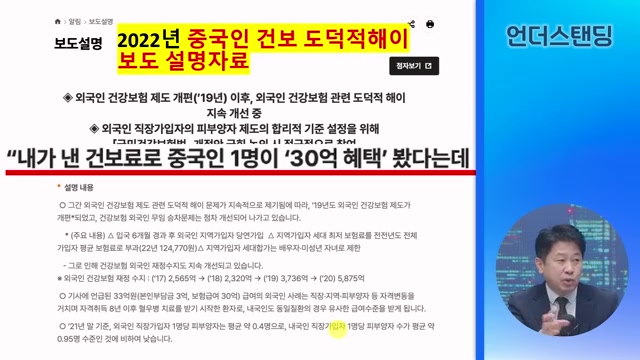
최근 중국인들이 한국의 건강보험을 악용한다는 사례가 SNS를 통해 공유되면서 논란이 거세졌습니다. 대표적인 사례로는 혈우병 환자가 중국에서 와서 치료비 33억 원 중 본인은 3억 3천만 원만 부담하고 나머지 금액을 한국의 건강보험에서 부담한 사례가 있습니다. 또한 일부 중국인들이 단기 체류 후 진료만 받고 출국하는 '먹튀' 행태도 지적되고 있죠5.
하지만 흥미롭게도 전체 외국인의 건강보험 재정은 매년 흑자를 기록하고 있습니다. 2023년 기준 외국인 건강보험 가입자의 재정수지는 무려 7,403억 원의 흑자를 기록했습니다1. 즉, 외국인 전체적으로 보면 오히려 보험료를 납부한 금액보다 혜택을 적게 받고 있는 상황입니다.
📊 중국인만 적자인 이유는 무엇일까?
그렇다면 왜 유독 중국인 가입자만 적자를 기록하는 걸까요? 그 배경에는 몇 가지 중요한 요인이 있습니다.
1. 피부양자 등록 비율이 높은 점
- 현재 한국에서 건강보험 혜택을 받는 중국인은 약 70만 명이며, 이 중 피부양자가 무려 68%에 달합니다.
- 특히 피부양자 중 고령자의 비율이 높아 고혈압이나 암 같은 노인성 질환으로 인한 의료비 지출이 타 국적에 비해 두 배 이상 많습니다6.
- 또한 일부 중국인들이 SNS를 통해 '한국 건강보험과 민영보험 빼먹는 법'이라는 꼼수를 공유하며 보험 사기를 부추기는 사례도 확인되었습니다.
⚠️ 통계 오류와 실제 상황
최근 건보공단의 통계 오류가 밝혀지면서 논란이 더욱 복잡해졌습니다. 예를 들어 2020년에는 당초 239억 원 적자로 알려졌던 것이 실제로는 365억 원 흑자로 나타났고, 2023년에도 당초 발표된 640억 원 적자가 실제로는 27억 원의 적자로 수정되었습니다24. 이러한 통계 오류가 밝혀지면서 정확한 데이터 관리와 투명성 확보가 시급하다는 지적도 나오고 있습니다.
💡 문제 해결을 위한 다양한 접근 방법들
이러한 문제를 해결하기 위해 다양한 의견들이 제시되고 있는데요.
- 상호주의 원칙 도입: 우리 국민이 해외에서 받지 못하는 혜택을 상대국 국민에게도 제공하지 않는 '상호주의' 원칙 도입이 제안되었습니다. 이미 국민연금에서는 적용되고 있는 이 원칙을 건강보험에도 도입하자는 것입니다79.
- 피부양자 등록 기준 강화: 국내 입국 후 바로 피부양자로 등록할 수 있는 현행 제도를 개선하여 최소 6개월 이상 체류해야만 피부양자 등록이 가능하도록 하는 법안도 추진 중입니다.
- 하지만 특정 국가만 제한하는 방식은 현실적으로 어렵고, 외국인 전체에 대한 공정하고 일관된 기준 마련이 필요하다는 의견도 있습니다10.
💡 우리가 고민해야 할 것들
건강보험 제도의 지속 가능성을 위해 외국인의 가입과 혜택 기준을 명확히 하고, 악용 사례를 방지할 필요가 있습니다. 하지만 동시에 국제적인 기준과 인권적 측면에서도 균형 잡힌 접근이 필요합니다.
- 외국인의 피부양자 등록 조건을 더 엄격하게 관리해야 할까요?
- 상호주의 원칙 도입 시 예상되는 긍정적 효과와 부작용은 무엇일까요?
- 외국인의 건보 가입 조건을 강화할 경우 한국 내 외국인 근로자의 삶과 노동 환경에 어떤 영향을 미칠까요?
#건강보험 #중국인건강보험 #건보적자 #외국인건강보험 #상호주의 #사회적형평성 #피부양자제도 #건강보험먹튀 #조선족고령화 #외국인정책 #사회적논란 #한국건강보험 #보건복지부 #통계오류 #지속가능성
중국인 때문에 건강보험 적자, 진짜 배경은 이렇습니다 (언더스탠딩 백종훈 기자)
최근 논란이 되고 있는 **중국인의 건강보험 악용 문제**에 대해 심층적으로 분석한 영상입니다. 이 영상은 중국인 건강보험 적자 논란의 배경과 통계 오류, 그리고 그 이면에 숨겨진 다양한 요
lilys.ai
🤔 Unpacking the Controversy: Chinese Nationals and Korea's Health Insurance System
Recently, the issue of Chinese nationals allegedly exploiting South Korea's health insurance system has sparked intense public debate. Some claim that certain Chinese individuals enter Korea specifically to benefit from expensive medical treatments at minimal personal cost—such as a hemophiliac patient who reportedly paid only about 330 million won out of a total treatment cost of approximately 3.3 billion won, with the rest covered by Korean health insurance.
However, the Ministry of Health and Welfare clarified that such treatments are equally accessible to Korean citizens in similar medical situations. Moreover, foreign nationals overall contribute more to the health insurance system than they consume, generating an annual surplus of approximately 500 billion won.
📊 Why Only Chinese Nationals Run a Deficit?
Despite the overall surplus from foreign nationals' contributions, Chinese nationals consistently show deficits in their health insurance accounts. Several factors contribute to this:
- High Proportion of Dependents: Among approximately 700,000 Chinese nationals enrolled in Korean health insurance, about 68% are registered as dependents (family members who don't pay premiums but receive benefits).
- Aging Population: Many Chinese dependents are elderly individuals suffering from chronic conditions like hypertension and cancer, leading to higher medical expenses compared to other nationalities.
- Exploitation via Social Media: Instances have been reported where certain Chinese individuals share methods on social media platforms for exploiting Korea's healthcare system for personal gain.
- Weakness of China's Public Health System: China's public health insurance coverage is limited, prompting some individuals to seek medical services through Korea's more comprehensive system.
📊 Statistical Errors and Misunderstandings
Recent revelations have shown significant errors in previously reported statistics regarding the financial balance of Chinese nationals' health insurance usage in Korea. For example:
- In 2020, initially reported as a deficit of 23.9 billion won was later corrected to a surplus of 36.5 billion won.
- In 2023, the reported deficit was revised from an initially stated loss of 64 billion won down to just a deficit of 2.7 billion won after correcting classification errors.
These corrections suggest that while issues exist, they may have been exaggerated due to statistical inaccuracies.
💡 Proposed Solutions and Considerations
To address these concerns, policymakers have proposed several measures:
- Principle of Reciprocity: Introducing reciprocity in health insurance policies—only providing benefits to nationals from countries that offer similar benefits to Koreans abroad—has been suggested as a fair approach.
- Stricter Dependent Registration Rules: Implementing stricter residency requirements (such as a minimum six-month stay) for dependents to prevent short-term misuse.
- Universal Standards: Avoiding targeting specific nationalities exclusively and instead applying consistent standards across all foreign nationals.
🏥 Your Thoughts Matter!
As we navigate these complex issues involving fairness and sustainability within our healthcare system:
- What do you think about applying reciprocity principles to health insurance?
- How can we effectively balance fairness for foreign residents while protecting our health insurance resources?
- What further measures should be considered to prevent abuse without unfairly targeting specific groups?
Let's discuss these important questions together!
'이슈 > 경제' 카테고리의 다른 글
| 전기 요금 지역 차등제, 정말 공정한 해결책일까? (1) | 2025.03.10 |
|---|---|
| 50대 이후, 늦지 않은 노후 준비의 기술: 경제 콘서트에서 배운 핵심 전략 (2) | 2025.03.10 |
| 실패를 두려워하는 사회, 한국의 혁신을 가로막다 (0) | 2025.03.10 |
| "인플레이션, 우리 삶에 숨겨진 세금 이야기" (6) | 2025.03.08 |
| 국민연금처럼 투자하라: 안정적인 수익을 위한 자율주행 투자 전략 (4) | 2025.03.08 |


