현대 사회에서 많은 사람들이 스트레스, 불안, 그리고 다양한 심리적 어려움을 경험하고 있습니다. 하지만 우리의 감정을 이해하고 정신 건강을 관리하는 방법을 알면, 더 행복하고 충만한 삶을 살 수 있습니다. 최신 뇌과학과 심리학 연구를 바탕으로 감정의 본질, 정신 건강의 증진, 그리고 진정한 행복을 찾는 방법에 대해 알아보겠습니다.
감정의 과학: 뇌는 어떻게 우리 감정을 만들어내는가
부정적 감정의 근원과 편도체의 역할
우리가 경험하는 짜증, 분노, 두려움, 걱정과 같은 다양한 부정적 감정의 본질은 사실 하나로 연결됩니다. 바로 뇌의 편도체 활성화에 따른 공포 반응, 즉 두려움입니다. 편도체는 우리 뇌에서 위험과 불안, 공포 등을 감지하는 기관으로, 생존과 번식이라는 뇌의 기본적인 목적에 따라 작동합니다.
"감정이 마찬가지입니다. 내가 짜증나, 화나, 분노, 두려워, 무서워, 걱정돼 그리고 온갖 부정적 정서가 있잖아요. 그거는 하나입니다. 본질이 편도체 활성화에 따른 공포 반응이에요."
흥미로운 점은 분노가 사실은 두려움이 극단적으로 발현된 형태라는 것입니다. 두려움이 없는 사람은 화도 잘 내지 않습니다. 나이가 들수록 짜증이 많아지는 이유는 마음 근력(정신적 회복탄력성)이 약해지기 때문입니다.
반면, 긍정적 감정은 전전두피질 활성화와 관련된 생각의 영역으로, 부정적 감정과는 그 본질이 다릅니다. 이 차이를 이해하는 것이 감정 조절의 첫걸음입니다.
조기 교육의 함정: 아이의 뇌 발달과 정서 건강을 위협하는 '7세 고시'
"우리 아이가 뒤처지면 어쩌지?"라는 불안감이 많은 부모들의 마음속에 자리 잡고 있습니다. 특히 대치동과 같은 교육열이 높은 지역에서는 '7세 고시'라는 말이 나올 정도로 극단적인 조기 교육
agent-katrina.tistory.com
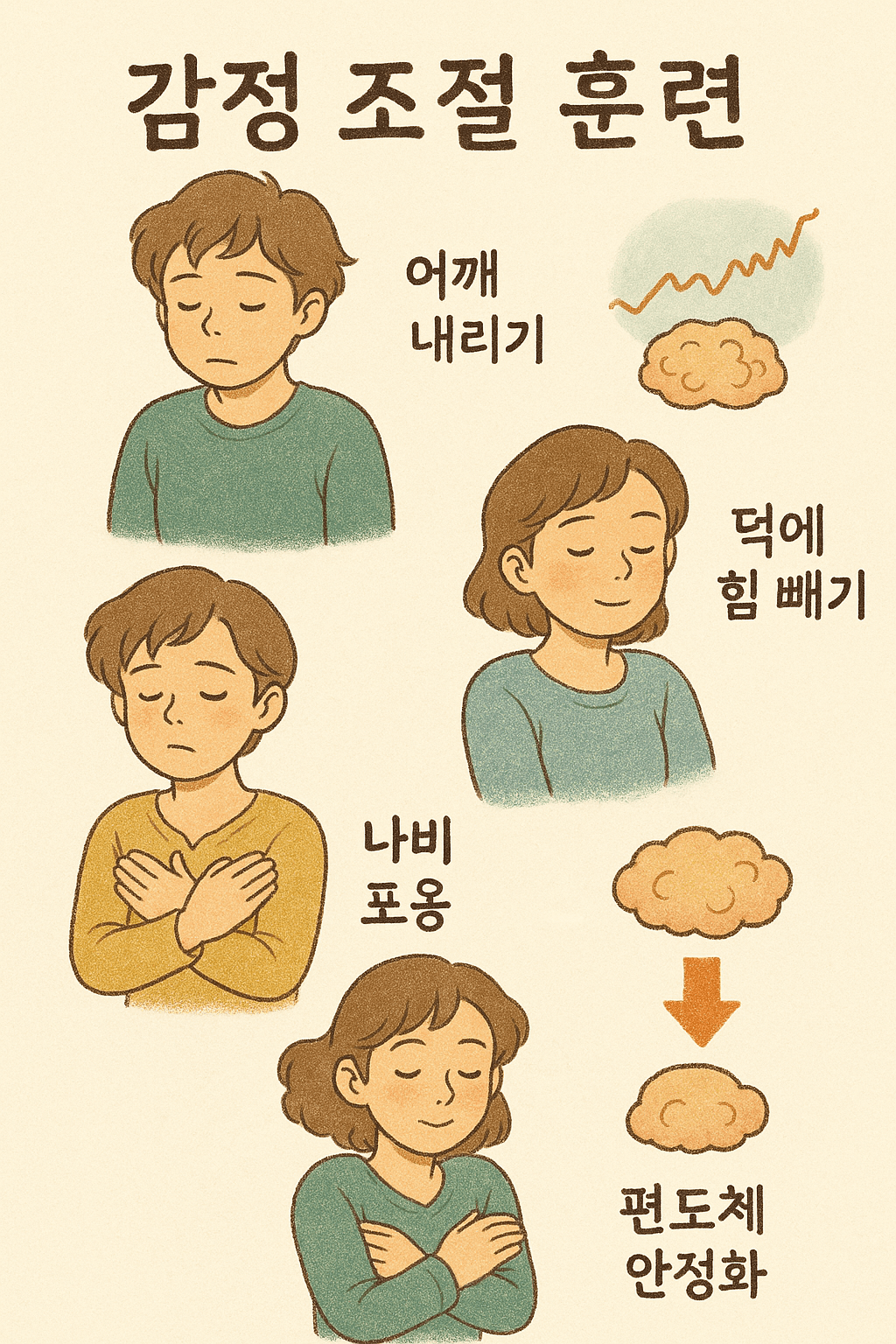
편도체 안정화와 마음 근력 강화 방법
편도체 활성화를 조절하고 마음 근력을 강화하는 방법은 생각보다 단순합니다. 편도체와 연결된 신체 부위의 긴장을 풀어주는 것이 핵심입니다.
- 신체 이완하기: 어깨를 내리고, 턱에 힘을 빼고, 눈에 힘을 풀고, 배를 이완시키는 것은 편도체를 안정화시키는 데 도움이 됩니다^15.
- 호흡 명상: 호흡에 집중하며 편안한 상태를 유지하는 훈련은 자율신경계를 안정시키고 편도체 활성화를 줄여줍니다^10.
- 나비포옹: 두려움과 불안이 느껴질 때 양손을 나비모양으로 교차하여 가슴 위에 올려놓고, 호흡과 함께 양손 바닥으로 번갈아 다독이는 방법은 마음을 안정시키는 데 효과적입니다^11.
"편도체와 딱 그 반응이 연결돼 있는 신체 부위들이 있어요. 우리 몸 그래서 얘가 활성화되면 타다타다닥 변화가 일어나거든요. 즉 시험만 받아들면 편도체 활성화돼서 신체 반응이 일어나. 이렇게 돼. 그때 몸을 바꾸는 습관을 자꾸 해서 얘를 안시키는... 무의식의 영역인 편도체한테 신호를 주는 거예요. 야 이거 멧돼지 아니야. 야 근육에 힘 빼. 야 심정 박동 천천히. 이 훈련을 할 수 있다 이거죠."
[생활정보/건강] - TMS 치료의 놀라운 발전: 뇌 자극으로 정신 건강을 회복하는 혁신적 방법
TMS 치료의 놀라운 발전: 뇌 자극으로 정신 건강을 회복하는 혁신적 방법
TMS(경두개 자기 자극 치료)는 약물 없이 자기장만으로 뇌를 직접 자극해 다양한 정신 질환을 치료하는 혁신적인 방법입니다. 우울증부터 강박장애, PTSD까지 다양한 정신 질환에 효과를 보이며
agent-katrina.tistory.com
정신 건강의 스펙트럼: 시들함에서 활력으로
시들함(Languishing)의 이해
현대인들이 자주 경험하는 상태 중 하나는 '시들함'(Languishing)입니다. 이는 우울증이나 번아웃과는 구별되는, 뚜렷한 고통은 없지만 삶의 활력과 의미를 느끼지 못하는 상태를 말합니다.
"시들함이란 눈에 띄지 않게 서서히 시작했다가 갑자기 폭풍처럼 휘몰아치는 감정이라고 볼 수도 있겠고요. 자기 삶을 통제할 수 없다고 느끼고 앞으로 무엇을 원하는지도 분명히 알지 못하며 또 크고 작은 일을 앞두고 아무런 결정을 내리지 못하고 멈칫거리는 상황이라고 이야기를 하기도 합니다."
시들함의 징후로는 감정적 무뎌짐, 미래에 대한 기대 부족, 무력감, 외부 환경에 대한 통제력 상실감, 일상생활 미루기, 지루함 증가, 삶의 공허감 등이 있습니다.
[이슈/사회] - 혼자여도 외롭지 않게: 현대 사회의 고립된 청년들을 위한 회복 가이드
혼자여도 외롭지 않게: 현대 사회의 고립된 청년들을 위한 회복 가이드
당신은 언제 마지막으로 진심 어린 안부 연락을 받았나요? 주변에 사람은 많은데 마음 터놓을 사람은 없다고 느낀 적이 있나요? 대한민국에서만 무려 1,700만 명이 사회적 고립을 경험하고 있다
agent-katrina.tistory.com
활력(Flourishing) 증진하기
활력(Flourishing)은 시들함의 반대 상태로, 정서적, 심리적, 사회적 웰빙이 충분히 갖춰진 상태를 의미합니다. 행복뿐 아니라 심리적, 사회적으로도 잘 기능하는 상태입니다.
활력을 증진하기 위한 여섯 가지 핵심 영역이 있습니다:
- 수용: 자신을 있는 그대로 받아들이기
- 자율성: 스스로 생각하고 표현하며 행동할 수 있는 능력
- 연결: 따뜻하고 신뢰할 수 있는 관계 맺기
- 역량: 일상생활을 성공적으로 영위하는 능력
- 숙달: 무언가를 배우고 성장하려는 동기
- 대인 존재감: 자신과 자기 삶이 중요하고 세상에 기여한다고 믿는 태도
이러한 영역들이 균형 있게 충족될 때 진정한 활력을 느낄 수 있습니다.
[이슈/사회] - 혼밥 사회, 행복을 잃어가는 대한민국: 왜 우리는 혼자 밥을 먹게 되었나?
혼밥 사회, 행복을 잃어가는 대한민국: 왜 우리는 혼자 밥을 먹게 되었나?
UN 세계행복보고서에 따르면 대한민국은 혼자 식사하는 비율이 세계에서 가장 높은 국가 중 하나입니다. 우리 사회에 만연한 '혼밥' 문화는 단순한 트렌드를 넘어 행복과 정신건강에 영향을 미
agent-katrina.tistory.com
행복의 과학: 무엇이 우리를 진정으로 행복하게 하는가
행복의 본질과 조건
많은 사람들이 외부 조건(돈, 성공, 지위, 타인의 인정 등)에서 행복을 찾으려 합니다. 하지만 연구에 따르면 진정한 행복은 이미 자신이 가진 것에 만족하고 감사하는 마음에서 비롯됩니다.
"내가 이미 갖고 있는 걸 원한다고 해 보세요. 이거 이미 갖고 있죠. 근데 전 원해요. 있잖아요. 근데 있잖아요. 근데 또 원해. 이게 행복이에요. 이거 원하는데 있네. 오 좋다. 이걸 가졌는데 딴 걸 원해. 그럼 불행하고 이걸 가졌는데 이걸 원해. 그럼 너무 좋고."
행복의 본질은 외부 상황이 아닌 내면의 결단에 있습니다. 무조건적인 행복, 즉 삶의 상황에 의존하지 않는 행복을 추구할 때 누구도 빼앗을 수 없는 진정한 행복을 찾을 수 있습니다.
[이슈/사회] - 대한민국을 사로잡은 스토리텔러, 김은희와 김은숙 작가의 창작 철학과 삶의 이야기
대한민국을 사로잡은 스토리텔러, 김은희와 김은숙 작가의 창작 철학과 삶의 이야기
여러분은 드라마를 보면서 마음이 울컥했던 적이 있나요? 주인공이 부당한 세상과 맞서 싸울 때, 혹은 가슴 아픈 사랑 이야기에 눈물을 흘렸던 순간들이 있을 겁니다. 그 감동의 순간들 뒤에는
agent-katrina.tistory.com
긍정심리학의 시각
긍정심리학은 행복을 주관적 웰빙, 긍정적 감정, 의미 있는 삶이라는 세 가지 주요 요소로 나누어 탐구합니다^5. 낙관주의, 감사, 회복탄력성, 긍정적 정서와 같은 심리적 자원이 개인의 웰빙을 증진한다고 주장합니다^5.
또한, "나쁜" 감정에서도 긍정적인 가치를 찾아내는 능력이 건강과 웰빙에 중요합니다. 연구에 따르면 부정적 감정에서 긍정적 가치를 발견한 사람들은 당뇨나 심혈관 질환 같은 질병의 위험이 낮고, 정신적, 육체적 지표에서도 더 좋은 결과를 보였습니다^20.
[이슈/사회] - '돈돈'하는 대한민국 : 한국 사회의 속마음
'돈돈'하는 대한민국 : 한국 사회의 속마음
한국 사회에서 '돈'이 갖는 의미는 단순한 교환 수단을 넘어 삶의 질과 가치를 판단하는 절대적 기준으로 자리 잡았습니다. 최근 퓨리서치 센터의 조사 결과는 이러한 현상을 명확히 보여주며,
agent-katrina.tistory.com
자기 존중과 자기 연민: 행복의 내적 토대
자기 존중감의 중요성
자기 존중감은 완벽한 모습이어서 얻어지는 것이 아니라, 현재 있는 그대로의 자신을 온전히 받아들이는 것에서 시작됩니다.
"자기 존중은 내 모습을 지금 이대로 있는 그대로 흠뻑 받아들이는 거예요. 이게 자기 존중의 출발이에요."
자기 존중감이 낮은 사람일수록 타인의 무시나 자극에 더 민감하게 반응하여 분노를 쉽게 느끼게 됩니다. 반면, 자신을 존중하는 마음이 강하면 타인의 인정에 덜 의존하고, 외부 자극에 덜 동요하게 됩니다.
[생활정보/성장] - "Let Them Theory": 감정적 자유와 책임감을 기르는 방법
"Let Them Theory": 감정적 자유와 책임감을 기르는 방법
우리 삶에서 가장 어려운 과제 중 하나는 바로 타인의 감정과 행동에 휘둘리지 않고, 자신의 선택과 책임에 집중하는 것입니다. 멜로 빈스의 *"Let Them Theory"*는 이러한 문제를 해결하기 위한 강력
agent-katrina.tistory.com
자기 연민과 자기 수용 훈련
자기 존중감 향상을 위한 전 단계로 자기 연민(Self-compassion)이 필요합니다. 자신에게 친절하고, 자신의 고통을 이해하고, 자신을 격려하는 연습을 통해 자기 수용으로 나아갈 수 있습니다.
"셀프패션이 있어요. 자기 연민. 어이고 불쌍해라. 어이고 고생이 많았다. 자기 연민을 해주고 그다음에 근본적인 자기 수용. 내 모습을 지금 이대로 있는 그대로 그대로 받아들이고 인정하고 이걸 하면은 그다음에 셀프 리스펙트가 생겨나기 시작합니다."
마음 챙김과 명상: 내면의 평화를 위한 도구
명상의 효과와 종류
명상은 단순히 가만히 앉아있는 것이 아니라 알아차림의 과정입니다. 내 몸의 감각(체중 이동, 발바닥의 느낌, 감정, 생각 등)을 알아차리는 자기 참조 과정을 통해 전전두피질을 활성화하고 편도체를 안정화시킬 수 있습니다^12.
호흡을 알아차리는 것이 명상의 첫걸음이며, 움직임 명상(요가, 태극권 등), 수영 또한 효과적인 명상 방법이 될 수 있습니다.
"명상은 한마디로 알아차림입니다... 명상의 스펙트럼이 이만큼 있으면 한 요만큼. 그럼 나머지 이만큼은 뭐냐. 굉장히 많은 명상이 알아차림이기 때문에 움직임과 더 관련이 있습니다."
일상에서의 마음 챙김 실천
일상생활 속에서도(예: 지하철 이동 중, 걷기, 식사 등) 마음 챙김을 실천할 수 있습니다. 현재 순간에 주의를 기울이고, 판단 없이 관찰하는 연습은 정신 건강에 큰 도움이 됩니다^8.
첫 번째 좋은 단계는 마음챙김 기반 스트레스 감소, 마음챙김 기반 인지 치료, 또는 수용 및 행동 치료를 배우는 것입니다^8. 이러한 접근법들은 불안, 우울, 스트레스 관리에 효과적입니다.
건강한 생활 습관: 몸과 마음의 균형
운동의 중요성
건강은 특정 음식을 먹어서 얻어지는 것이 아니라, 운동을 통해서만 직접적으로 향상될 수 있습니다. 규칙적인 운동은 엔도르핀을 방출하고 코티솔 수치를 감소시키며 전반적인 기분을 개선합니다^6.
미국의 성인 4,814명을 대상으로 한 연구에 따르면, 주 90분 이상 근력 운동을 한 사람들은 그렇지 않은 사람들에 비해 텔로미어가 길어져 생물학적으로 약 9년 정도 젊은 상태를 나타냈습니다^14.
'존2 운동' 또는 유산소 운동은 인슐린 내성이 있거나 인슐린 기능이 저하된 만성 질환 환자에게 매우 유익한 운동입니다. 처음에는 주 2회, 30분씩 시작해도 큰 효과를 볼 수 있으며, 주 3회 이상 유지하는 것이 바람직합니다^14.
수면과 식습관
수면 장애는 불안 장애를 포함한 모든 정신 질환의 공통적인 증상입니다. 잠을 잘 자는 것만으로도 정신 건강 문제를 예방할 수 있습니다.
"수면 장애는 불안 장애의 아주 대표적인 증상이에요. 잠 못 자는 거. 불안 장애뿐만 아니라요 모든 정신질환의 공통점이 잠을 제대로 못 잔다해요. 그래서 만약에 아 나 우울증 아닌가 나 불안장애 아닌가 걱정되시는 분은 내가 밤에 잠을 잘 자나만 체크하시면 돼요. 잘 자고 있으면 아닙니다... 잠만 잘 자면 정신과 가실 일 없어요."
식단에 있어서는 나쁜 음식(특히 술과 담배)을 피하는 것이 핵심입니다. 또한 장내 유익균을 늘리는 발효식품이나 제철 과일, 채소, 생선, 견과류, 올리브오일 등의 섭취가 뇌 건강에 도움이 됩니다^7.
대인 관계와 사회적 연결: 함께 성장하는 행복
존중의 중요성
모든 사람은 인류 전체와 연결된 소중한 존재라는 인식을 갖는 것이 타인을 존중하는 마음의 근본입니다.
"한 사람 한 사람은 인류로 통하는 관문입니다... 저는 한 사람을 만날 때마다 그 사람이 끌고 다니는 네트워크를 통째로 만난다고 보시면 됩니다. 더 깊이 들어가면 한 사람을 통해서 전 인류를 만나는 거예요."
존중력은 존중할 만한 대상을 찾아서 발휘하는 것이 아니라, 자기 내면의 힘을 키워 모든 대상을 존중할 수 있게 되는 것입니다.
사회적 연결과 소통
주변 사람들과 소통하는 사교성을 키우는 것은 신체적, 정신적 건강에 도움이 됩니다. 하버드 대학의 연구에 따르면, 75년간 약 700명을 추적 분석한 결과, 이혼이나 가족 사망 등 극한 갈등 상황에서 주변 사람에게 손을 내밀었던 이들이 전반적으로 더 건강하다는 사실이 밝혀졌습니다^17.
자신의 상담 경험을 공유한 한 의사는 "삶에 여유가 있는 분들은 표정부터 밝습니다. 진찰실에 들어올 때 가슴을 쭉 펴고 바른자세로 앉아서 열린 마음으로 상담을 하고 자신의 잘못된 습관이나 인식을 수정하려는 자세를 갖습니다."라고 말합니다^2. 이처럼 능동적인 태도와 열린 마음가짐이 정신 건강과 삶의 질 향상에 중요한 역할을 합니다.
결론: 균형 잡힌 삶을 위한 통합적 접근
감정, 정신 건강, 그리고 행복은 서로 밀접하게 연결된 개념입니다. 편도체 안정화와 전전두피질 활성화를 통한 감정 조절, 시들함에서 활력으로의 전환, 자기 존중감과 자기 연민의 실천, 마음 챙김과 명상의 활용, 건강한 생활 습관의 유지, 그리고 의미 있는 대인 관계 형성은 모두 심리적 웰빙을 증진하는 데 중요한 역할을 합니다.
진정한 행복은 외부 조건이 아닌 내면의 결단과 실천에서 비롯됩니다. "재앙 속의 행복"(Happiness in Disaster)이라는 개념처럼, 어려운 상황에서도 행복을 느끼는 능력을 키우는 것이 중요합니다.
궁극적으로, 우리의 감정을 이해하고, 마음 근력을 키우며, 자신과 타인을 존중하는 삶의 방식을 통해 더 풍요롭고 의미 있는 삶을 살아갈 수 있습니다.
#정신건강 #감정조절 #행복연구 #웰빙 #마음근력 #자기존중 #명상 #마음챙김 #긍정심리학 #스트레스관리 #뇌과학 #편도체 #전전두피질 #셀프케어 #회복탄력성
The Resilience of the Mind: A Scientific Approach to Emotions, Mental Health, and Happiness
In modern society, many people experience stress, anxiety, and various psychological difficulties. However, by understanding our emotions and learning how to manage our mental health, we can live happier and more fulfilling lives. Based on the latest brain science and psychological research, let's explore the nature of emotions, the enhancement of mental health, and ways to find true happiness.
The Science of Emotions: How the Brain Creates Our Feelings
The Source of Negative Emotions and the Role of the Amygdala
The essence of various negative emotions we experience, such as irritation, anger, fear, and worry, is actually connected to one thing: the fear response resulting from amygdala activation in our brain. The amygdala is the organ in our brain that detects danger, anxiety, and fear, operating according to the brain's basic purposes of survival and reproduction.
"It's the same with emotions. Whether I'm irritated, angry, furious, afraid, scared, worried, and all kinds of negative emotions - they are all one. The essence is the fear response due to amygdala activation."
Interestingly, anger is actually an extreme manifestation of fear. People without fear don't get angry easily. The reason we become more irritable as we age is because our mental resilience weakens.
On the other hand, positive emotions are related to the activation of the prefrontal cortex, the realm of thought, and are fundamentally different from negative emotions. Understanding this difference is the first step in emotional regulation.
Methods to Stabilize the Amygdala and Strengthen Mental Resilience
Methods to regulate amygdala activation and strengthen mental resilience are simpler than you might think. The key is to release tension in the body parts connected to the amygdala.
- Physical Relaxation: Lowering your shoulders, relaxing your jaw, easing tension in your eyes, and relaxing your abdomen helps stabilize the amygdala^15.
- Breathing Meditation: Training to focus on breathing and maintain a calm state stabilizes the autonomic nervous system and reduces amygdala activation^10.
- Butterfly Hug: When feeling fear and anxiety, crossing your hands in a butterfly shape, placing them on your chest, and alternately patting with your palms while breathing is effective in calming the mind^11.
"There are body parts directly connected to the amygdala's response. In our body, when it activates, changes occur rapidly. That is, just taking an exam activates the amygdala and triggers physical responses. At that moment, the habit of changing your body repeatedly to calm it... it's about sending signals to the amygdala, which is in the realm of the unconscious. 'Hey, this isn't a wild boar. Relax your muscles. Slow down your heartbeat.' This is training we can do."
The Spectrum of Mental Health: From Languishing to Flourishing
Understanding Languishing
One of the states frequently experienced by modern people is 'languishing.' This is a state distinct from depression or burnout, where there is no clear pain but also no vitality or meaning in life.
"Languishing can be seen as an emotion that begins slowly, imperceptibly, and then suddenly storms like a tempest. It's a situation where you feel you can't control your life, don't know clearly what you want in the future, and hesitate without making any decisions in the face of big and small matters."
Signs of languishing include emotional numbness, lack of expectations for the future, helplessness, feelings of loss of control over the external environment, procrastination in daily life, increased boredom, and emptiness in life.
Promoting Flourishing
Flourishing is the opposite state of languishing, meaning a state where emotional, psychological, and social well-being are sufficiently equipped. It is a state of not only being happy but also functioning well psychologically and socially.
There are six key areas for promoting flourishing:
- Acceptance: Accepting yourself as you are
- Autonomy: The ability to think, express, and act on your own
- Connection: Forming warm and trustworthy relationships
- Competence: The ability to successfully manage daily life
- Mastery: Motivation to learn and grow
- Interpersonal Presence: The belief that you and your life are important and contribute to the world
You can feel true vitality when these areas are balanced.
The Science of Happiness: What Truly Makes Us Happy
The Essence and Conditions of Happiness
Many people try to find happiness in external conditions (money, success, status, recognition from others). However, research suggests that true happiness comes from being satisfied and grateful for what you already have.
"Try wanting what you already have. You already have this. But I want it. You know? But I already have it. And I want it again. This is happiness. I want this and I have it. Oh, that's good. I have this but want something else, then I'm unhappy. I have this and I want this, then I'm very happy."
The essence of happiness lies in an inner decision, not external circumstances. When pursuing unconditional happiness, that is, happiness not dependent on life situations, you can find true happiness that no one can take away.
The Perspective of Positive Psychology
Positive psychology explores happiness through three main components: subjective well-being, positive emotions, and a meaningful life^5. It argues that psychological resources such as optimism, gratitude, resilience, and positive emotions enhance individual well-being^5.
Also, the ability to find positive value even in "bad" emotions is important for health and well-being. Research shows that people who discover positive value in negative emotions have a lower risk of diseases like diabetes and cardiovascular disease, and show better results in mental and physical indicators^20.
Self-Respect and Self-Compassion: The Inner Foundation of Happiness
The Importance of Self-Esteem
Self-esteem doesn't come from being perfect; it starts with fully accepting yourself as you are now.
"Self-respect is embracing your current self completely, just as you are. This is the beginning of self-respect."
People with lower self-esteem tend to react more sensitively to disrespect or stimulation from others, making them easily feel anger. On the other hand, people with strong self-respect rely less on recognition from others and are less swayed by external stimuli.
Training for Self-Compassion and Self-Acceptance
Self-compassion is a prerequisite for enhancing self-esteem. Through practicing being kind to yourself, understanding your pain, and encouraging yourself, you can move toward self-acceptance.
"There's self-compassion. Self-pity. 'Oh, poor me. Oh, you've been through a lot.' After showing yourself compassion, then comes the fundamental self-acceptance. Accepting and acknowledging yourself exactly as you are now - when you do this, self-respect begins to emerge."
Mindfulness and Meditation: Tools for Inner Peace
Effects and Types of Meditation
Meditation is not simply sitting still but a process of awareness. Through self-referential processes such as noticing sensations in your body (weight shifting, feeling in the soles of feet, emotions, thoughts), you can activate the prefrontal cortex and stabilize the amygdala^12.
Noticing your breath is the first step in meditation, and movement meditation (yoga, tai chi, etc.) and swimming can also be effective meditation methods.
"Meditation is, in a word, awareness... If the spectrum of meditation is this much, then it's about this much. Then the rest is this much, because a lot of meditation is awareness, and it's more related to movement."
Practicing Mindfulness in Daily Life
You can practice mindfulness in daily life (e.g., while commuting on the subway, walking, eating). The practice of paying attention to the present moment and observing without judgment greatly helps mental health^8.
A good first step is to learn mindfulness-based stress reduction, mindfulness-based cognitive therapy, or acceptance and commitment therapy^8. These approaches are effective in managing anxiety, depression, and stress.
Healthy Lifestyle Habits: Balance of Body and Mind
The Importance of Exercise
Health is not achieved by eating specific foods but can only be directly enhanced through exercise. Regular exercise releases endorphins, reduces cortisol levels, and improves overall mood^6.
According to a study of 4,814 American adults, those who did strength training for more than 90 minutes per week had longer telomeres than those who didn't, showing a biologically younger state by about 9 years^14.
'Zone 2 exercise' or aerobic exercise is very beneficial for chronic disease patients with insulin resistance or decreased insulin function. Even starting with 30 minutes twice a week can have great effects, and it's advisable to maintain it at least three times a week^14.
Sleep and Diet
Sleep disorders are a common symptom of all mental illnesses, including anxiety disorders. Just sleeping well can prevent mental health problems.
"Sleep disorder is a very typical symptom of anxiety disorder. Not being able to sleep. Not just anxiety disorder, but a common feature of all mental illnesses is not sleeping properly. So if you're worried about whether you might have depression or an anxiety disorder, just check if you're sleeping well at night. If you're sleeping well, you don't have it... If you just sleep well, you don't need to visit a psychiatrist."
In terms of diet, avoiding bad foods (especially alcohol and tobacco) is key. Also, consuming fermented foods or seasonal fruits, vegetables, fish, nuts, olive oil, etc., that increase beneficial gut bacteria helps brain health^7.
Interpersonal Relationships and Social Connection: Growing Happiness Together
The Importance of Respect
Recognizing that every person is a precious being connected to all of humanity is the foundation of respecting others.
"Each and every person is a gateway to humanity... I see it as meeting the entire network that a person carries with them when I meet them. Going deeper, through one person, I meet all of humanity."
The power of respect is not about finding someone worthy of respect, but about developing your inner strength to respect all beings.
Social Connection and Communication
Developing sociability by communicating with those around you helps physical and mental health. According to a Harvard University study that tracked about 700 people over 75 years, those who reached out to people around them in extreme conflict situations such as divorce or family death were generally healthier^17.
A doctor sharing his counseling experience said, "People with room in their lives are bright in expression. They enter the examination room with their chest out, sit upright, and have an open-minded consultation, with an attitude to correct their wrong habits or perceptions."^2 Thus, an active attitude and open-mindedness play an important role in improving mental health and quality of life.
Conclusion: An Integrated Approach to a Balanced Life
Emotions, mental health, and happiness are closely connected concepts. Emotional regulation through amygdala stabilization and prefrontal cortex activation, transition from languishing to flourishing, practice of self-esteem and self-compassion, use of mindfulness and meditation, maintenance of healthy lifestyle habits, and formation of meaningful interpersonal relationships all play important roles in enhancing psychological well-being.
True happiness comes not from external conditions but from inner decisions and practice. Like the concept of "Happiness in Disaster," it's important to develop the ability to feel happiness even in difficult situations.
Ultimately, by understanding our emotions, building mental resilience, and living a life that respects ourselves and others, we can live a richer and more meaningful life.
#MentalHealth #EmotionalRegulation #HappinessResearch #Wellbeing #MentalResilience #SelfRespect #Meditation #Mindfulness #PositivePsychology #StressManagement #BrainScience #Amygdala #PrefrontalCortex #SelfCare #Resilience
#정신건강 #감정조절 #행복연구 #웰빙 #마음근력 #자기존중 #명상 #마음챙김 #긍정심리학 #스트레스관리 #뇌과학 #편도체 #전전두피질 #셀프케어 #회복탄력성
'생활정보 > 건강' 카테고리의 다른 글
| 과민성 대장증후군(IBS) 안녕! 5가지 생활습관으로 장 건강 지키기 (0) | 2025.04.06 |
|---|---|
| 💊 비만약의 새로운 혁명: 단순한 다이어트를 넘어 웰빙의 지평을 열다 (0) | 2025.04.06 |
| 단순한 장수가 아닌 '건강하게 오래 살기' - 건강수명을 늘리는 라이프스타일의 힘 (0) | 2025.04.04 |
| 천년의 오해를 풀다: 한센병의 모든 것 (1) | 2025.04.04 |
| 미스터황, 혈액암 진단과 투병 이야기 (0) | 2025.04.03 |


