미국 자동차 시장이 지금 역사적인 변곡점을 맞았습니다. 지난 4월 3일, 도널드 트럼프 미국 대통령이 발표한 25% 관세 정책이 정식 발효되면서 글로벌 자동차 산업에 커다란 지각변동이 일어나고 있습니다. 현대차와 기아는 이 소식에 52주 신저가를 기록했고, 완성차 업체들은 미국 시장에서의 생존 전략을 재구성하느라 분주합니다. 과연 이 관세 폭풍 속에서 자동차 산업은、어떻게 적응하고 경쟁력을 유지할 수 있을까요? 특히 현대차의 선제적 대응과 전략적 선택에 주목해 봅니다.
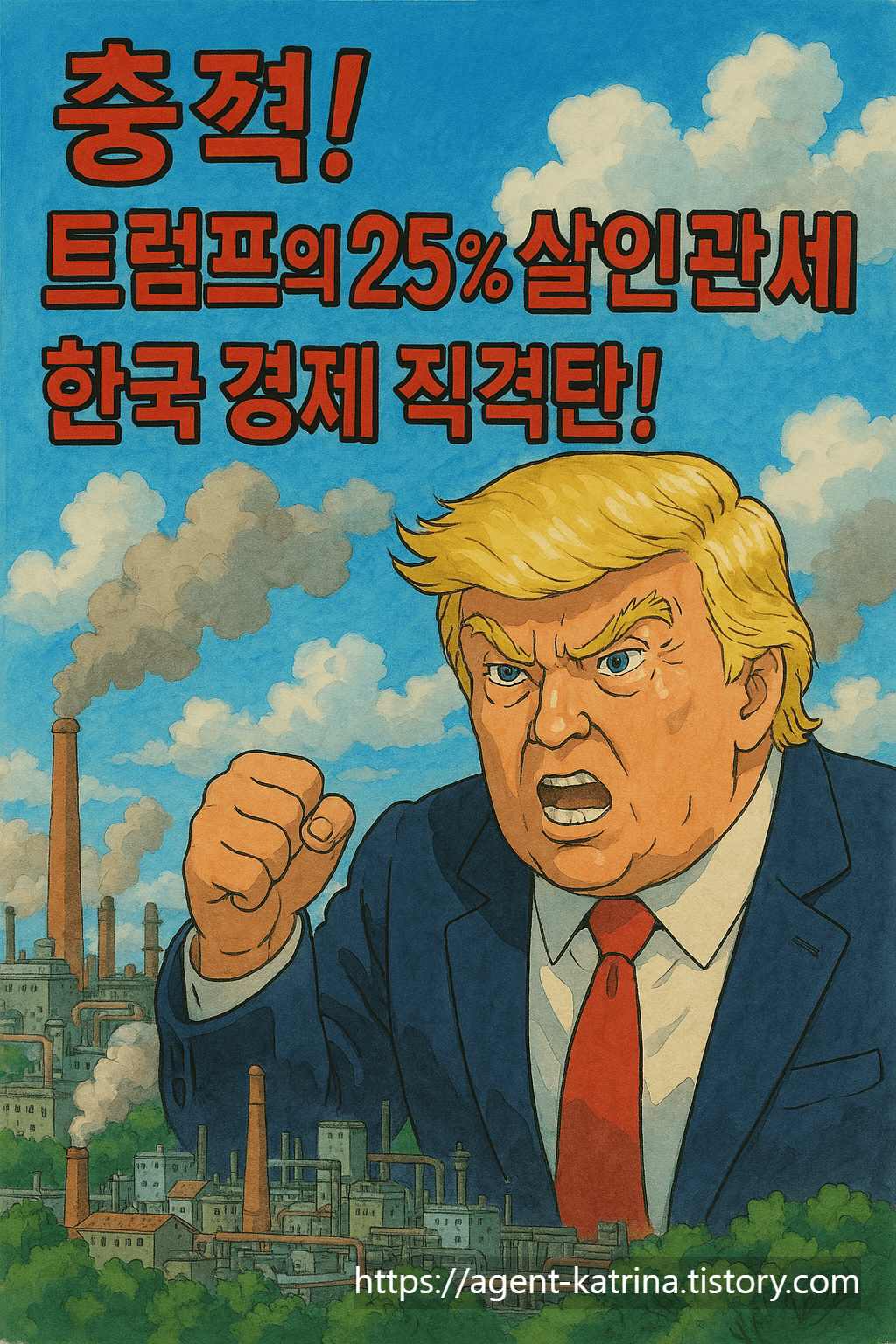
트럼프의 관세 폭탄, 자동차 산업에 몰아친 태풍
트럼프 대통령은 지난달 26일 미국 이외 지역에서 생산된 자동차와 주요 부품에 25%의 관세를 부과하겠다고 발표했습니다. 이 정책은 4월 3일(미국 동부시간 기준) 정식으로 발효되었고, 한국을 비롯한 글로벌 자동차 업계에 커다란 충격을 안겼습니다^9.
"관세는 자동차 산업의 엄청난 성장을 불러일으킬 것이며, 미국 내 일자리와 투자 창출을 촉진할 것입니다"라는 트럼프 대통령의 발언과 달리, 전문가들은 이 조치가 미국 내 자동차 생산을 일시적으로 중단시키고 가격 상승을 초래할 가능성이 높다고 지적합니다^19.
가장 직접적인 타격을 받은 것은 주가였습니다. 현대차는 장중 18만 9100원까지 떨어지며 52주 신저가를 기록했고, 기아도 8만 8400원까지 하락하며 1년 내 최저가를 경신했습니다^14. 자동차가 한국의 대미 수출 품목 1위인 만큼, 이번 관세 정책은 한국 경제에도 상당한 타격을 줄 것으로 예상됩니다.
[이슈] - 대한민국 역사를 새로 쓰는 순간, 탄핵 선고의 모든 것
대한민국 역사를 새로 쓰는 순간, 탄핵 선고의 모든 것
역사의 한 페이지가 다시 쓰이려 합니다. 2025년 4월 4일 오전 11시, 헌법재판소는 윤석열 대통령에 대한 탄핵심판 선고를 진행합니다^6. 이는 노무현, 박근혜 전 대통령에 이어 세 번째로 현직 대
agent-katrina.tistory.com
관세 폭탄의 파급력
관세는 자동차 완성차뿐 아니라 부품에도 적용됩니다. 엔진, 변속기, 파워트레인(전동장치), 전기 부품 등 핵심 자동차 부품에도 25%의 관세가 적용되는데, 이는 자동차 산업의 글로벌 가치사슬 전체에 영향을 미칩니다^4.
자동차 부품이 워낙 다종다양하다 보니 실제 관세 범위를 특정하는 것조차 쉽지 않습니다. 한국자동차산업협동조합에 따르면 산업통상자원부 통계분류코드(MTI)에서 총 64개의 HS코드가 자동차 부품으로 분류돼있습니다^4.
"대미 수출의 60∼70%는 현대차·기아, 20∼25%는 글로벌 업체, 나머지는 AS용으로 추산하고 있다"고 업계 관계자는 전했습니다^4. 이는 관세의 영향이 현대차그룹뿐만 아니라 국내 자동차 부품 산업 전반에 미친다는 것을 의미합니다.
현대차의 전략적 대응: 미국 현지화로 위기를 기회로
관세의 충격에 놀란 것도 잠시, 현대차그룹은 이미 이에 대응할 준비를 마친 모습입니다. 정의선 현대차그룹 회장은 지난달 24일 현대차그룹 메타플랜트 아메리카(HMGMA) 준공식에 참석해 HMGMA의 생산 능력을 현재 연간 30만대에서 50만대로 늘려 미국에서 연간 총 120만대까지 생산할 수 있는 설비를 갖추겠다고 밝혔습니다^3.
이는 현대차와 기아가 지난해 미국에서 판매한 차량 171만대 중 70%에 해당하는 수치로, 관세 문제에 대한 현대차그룹의 선제적 대응 전략으로 볼 수 있습니다^3. 현대차그룹은 210억 달러(약 31조 원) 규모의 미국 투자 계획을 발표하며 향후 4년간 현지 생산 비중을 확대하려는 전략을 분명히 했습니다^12.
현지 생산 확대의 효과
"현대차그룹이 HMGMA의 생산 능력을 향후 50만대까지 확대할 경우 관세 부담을 뛰어넘어 영업이익 측면에서 오히려 유리한 결과를 얻을 수 있다"고 강성진 KB증권 연구원은 내다봤습니다^3. 장문수 현대차증권 연구원도 "현대차와 기아가 미국 공장 가동을 통해 관세 영향을 최소화하며 현지화에 대응하고 있다"며 "단기적으로 시장의 관망세가 나타날 수 있으나 이후에는 '선대응 기업'을 중심으로 분위기가 반전될 수 있다"고 전망했습니다^3.
미국 내 생산 비중이 높은 업체에게는 경쟁사 대비 유리한 위치를 점할 수 있다는 관측도 나옵니다. 현대차그룹의 이러한 전략은 관세 정책이라는 위기 상황을 오히려 기회로 전환할 수 있는 발판이 될 수 있습니다.
소비자 반응과 시장 변화
관세 발효를 앞두고 미국에서는 흥미로운 현상이 일어났습니다. 소비자들이 가격 인상 전에 자동차를 구매하려는 수요가 몰리면서 판매량이 급증한 것입니다^13.
JD파워의 토머스 킹 데이터·분석 부문 대표는 "관세에 대한 전망이 이미 업계에 영향을 미치기 시작했다"며 "지난달 판매량은 특히 강세였다. 이는 소비자들이 관세 관련 가격 인상을 피하기 위해 구매를 가속한 결과"라고 설명했습니다^13.
특히 소형차의 경우 관세 발효 시 수익성이 크게 악화해 상당 폭의 가격 인상이 있을 것으로 예상되면서 구매 수요가 몰렸습니다. 한국에서 생산되는 GM 쉐보레의 소형 SUV 트랙스의 지난달 판매량은 전년 동기 대비 57% 급증했으며, 소형 SUV 투싼과 소형 세단 엘란트라(아반떼)도 각각 25% 넘게 증가해 역대 동월 최고치를 경신했습니다^13.
코로나 이후 소비 패턴 변화
코로나19 이후 소비자들이 체감하는 자동차 가격은 이미 크게 올랐습니다. 여기에 관세로 인한 추가 가격 인상은 소비자 심리에 영향을 줄 수밖에 없습니다. 일반적으로 가격이 1% 상승할 때마다 수요는 0.9% 감소하는 경향이 있습니다.
이러한 변화는 차종 선택에도 영향을 미치고 있습니다. 미국에서는 고급 픽업 트럭의 수요가 줄어들고 대신 하이브리드 차나 소형 SUV, 세단에 대한 선호도가 높아지고 있습니다. 이는 가격 부담과 함께 연비에 대한 관심이 높아진 결과로 볼 수 있습니다.
글로벌 자동차 산업의 미래 전망
현대차와 같은 글로벌 자동차 업체들은 단순히 관세 대응을 넘어 미래 자동차 산업의 변화까지 준비하고 있습니다. 자동차 산업의 글로벌 가치사슬은 빠르게 변하고 있으며, 완성차업체와 부품업체 사이의 거래가 수직적에서 수평적으로 바뀌고 있습니다^6.
또한 소비자의 자동차 이용 패턴도 변화하고 있습니다. 과거에는 차량 소유를 통해 이동했으나, 현재는 카셰어링과 라이드 헤일링 같은 이용 중심의 소비 패턴이 강해지고 있습니다. 이에 따라 자동차 제조업체들은 단순히 차량을 판매하는 것을 넘어 고객의 니즈에 맞춘 다양한 서비스와 솔루션을 제공하는 방향으로 나아가고 있습니다.
전기차와 미래 모빌리티
전기차 시장도 빠르게 변화하고 있습니다. 테슬라를 중심으로 전기차 판매가 증가하고 있지만, 이른바 '트럼스크'(트럼프+머스크)에 대한 반감이 테슬라 차량 소비 심리에 영향을 미치고 있다는 보도도 있습니다. 실제로 테슬라는 일론 머스크의 의견에 반하는 편지를 트럼프 행정부에 보내기도 했습니다^1.
중국 자동차 시장에서는 로컬 브랜드들의 점유율이 50%를 넘어서며 글로벌 업체들의 입지가 약화되고 있습니다. 중국 소비자들은 첨단 기능에 민감하게 반응하며, 최신 모델에 대한 선호도가 높아졌습니다.
자동차 산업의 복잡한 글로벌 밸류체인 이해하기
자동차 하나를 생산하기 위해서는 2만 개가 넘는 부품이 필요하며, 이 부품들은 전 세계에서 생산됩니다. 이러한 글로벌 밸류체인의 복잡성은 관세 정책의 영향을 더욱 증폭시킵니다.
미국 자동차 산업은 캐나다와 멕시코에 대한 의존도가 상당히 높습니다. 노동 집약적인 제조는 멕시코에서, 기술 집약적인 부분은 캐나다에서 집중되고 있습니다. GM과 현대차 등 주요 자동차 제조사들은 생산량의 60% 초반 정도를 미국에서 생산하고, 나머지는 멕시코와 캐나다에서 생산한 물량을 미국에 수출하고 있습니다.
이러한 상황에서 북미자유무역협정(USMCA)의 변화는 멕시코에서의 생산량에 영향을 미칠 수 있으며, 이는 관세 정책과 맞물려 글로벌 자동차 산업의 공급망 재편을 가속화할 수 있습니다.
결론: 변화하는 시장에서의 생존 전략
25%라는 높은 관세율은 자동차 산업에 큰 도전이지만, 현대차처럼 선제적으로 대응하는 기업들에게는 경쟁 우위를 확보할 수 있는 기회가 될 수도 있습니다. 미국 내 생산 비중을 높이고 현지화율을 강화하는 전략은 단기적으로는 비용이 들지만, 장기적으로는 안정적인 미국 시장 진출의 토대가 될 것입니다.
소비자들도 이러한 변화에 적응하고 있습니다. 관세로 인한 가격 인상이 예상되자 미리 구매하는 소비자들이 늘어났고, 차종 선택에 있어서도 실용적인 선택을 하는 경향이 강해지고 있습니다.
자동차 산업은 단순한 제조업을 넘어 서비스와 기술이 융합된 산업으로 빠르게 변화하고 있습니다. 이러한 변화 속에서 새로운 비즈니스 모델을 개발하고 소비자의 니즈에 맞는 솔루션을 제공하는 기업만이 생존할 수 있을 것입니다.
여러분은 이러한 변화 속에서 자동차를 어떻게 이용하고 계신가요? 관세로 인한 가격 인상이 여러분의 차량 구매 계획에 영향을 미쳤나요? 앞으로 자동차 산업이 어떻게 변화할지, 그리고 우리의 이동 방식은 어떻게 바뀔지 함께 생각해 보면 좋겠습니다.
#자동차관세 #트럼프관세정책 #현대차전략 #기아차 #미국시장 #관세영향 #자동차산업 #글로벌밸류체인 #소비자행동 #전기차시장 #미래모빌리티 #현지화전략 #자동차부품 #52주신저가 #GM #테슬라
How the Auto Industry Survives in the Tariff Storm: How is Hyundai Staying Afloat in the US Market?
The US automotive market is now at a historic turning point. With the 25% tariff policy announced by US President Donald Trump officially taking effect on April 3, the global automotive industry is experiencing a major tectonic shift. Hyundai and Kia recorded 52-week lows on this news, and automakers are busy restructuring their survival strategies in the US market. How can the auto industry adapt and maintain competitiveness in this tariff storm? We focus particularly on Hyundai's preemptive response and strategic choices.
Trump's Tariff Bomb, a Typhoon Hitting the Auto Industry
President Trump announced last month that he would impose a 25% tariff on vehicles and major parts produced outside the United States. This policy officially took effect on April 3 (Eastern US time), sending a huge shock to the global automotive industry, including Korea^9.
Contrary to President Trump's statement that "tariffs will bring tremendous growth to the auto industry and promote job creation and investment in the United States," experts point out that this measure is likely to temporarily halt car production in the US and cause price increases^19.
The most direct hit was to stock prices. Hyundai Motor fell to 189,100 won during trading, recording a 52-week low, and Kia also fell to 88,400 won, setting a new 1-year low^14. As automobiles are Korea's number one export item to the US, this tariff policy is expected to have a significant impact on the Korean economy.
The Ripple Effect of the Tariff Bomb
Tariffs apply not only to completed vehicles but also to parts. Key automotive parts such as engines, transmissions, powertrains, and electrical components are also subject to a 25% tariff, which affects the entire global value chain of the automotive industry^4.
Because there are so many different types of auto parts, it's not even easy to specify the actual scope of tariffs. According to the Korea Automobile Industry Cooperative, a total of 64 HS codes are classified as automobile parts in the Ministry of Industry and Trade's statistical classification code (MTI)^4.
"We estimate that 60-70% of exports to the US are from Hyundai and Kia, 20-25% are from global companies, and the rest are for after-sales," an industry official said^4. This means that the impact of tariffs extends not only to the Hyundai Motor Group but to the entire domestic automobile parts industry.
Hyundai's Strategic Response: Turning Crisis into Opportunity through US Localization
After being shocked by the tariff impact, Hyundai Motor Group appears to have already prepared to respond. Hyundai Motor Group Chairman Euisun Chung attended the completion ceremony of Hyundai Motor Group Metaplant America (HMGMA) on the 24th of last month and announced that he would increase HMGMA's production capacity from the current 300,000 units per year to 500,000 units to be able to produce a total of 1.2 million units per year in the US^3.
This represents 70% of the 1.71 million vehicles Hyundai and Kia sold in the US last year, and can be seen as Hyundai Motor Group's preemptive response strategy to the tariff issue^3. Hyundai Motor Group announced a $21 billion (approximately 31 trillion won) US investment plan and made it clear that it plans to expand its local production share over the next four years^12.
Effects of Expanding Local Production
"If Hyundai Motor Group expands HMGMA's production capacity to 500,000 units in the future, it could achieve favorable results in terms of operating profit beyond the tariff burden," predicted KB Securities analyst Kang Sung-jin^3. Jang Moon-soo, a researcher at Hyundai Motor Securities, also said, "Hyundai and Kia are minimizing the impact of tariffs and responding to localization through the operation of US factories," adding, "The market may show a wait-and-see attitude in the short term, but the atmosphere may be reversed later, centered on 'preemptive response companies'"^3.
There is also an observation that companies with a high proportion of production in the US can take an advantageous position compared to competitors. Such a strategy by Hyundai Motor Group could be a stepping stone to turn a crisis situation such as tariff policy into an opportunity.
Consumer Reactions and Market Changes
An interesting phenomenon occurred in the US ahead of the implementation of tariffs. As consumers rushed to buy cars before price increases, sales surged^13.
"The outlook for tariffs has already begun to affect the industry," said Thomas King, head of data and analytics at JD Power. "Sales last month were particularly strong. This is the result of consumers accelerating purchases to avoid tariff-related price increases."^13.
In particular, there was a surge in demand for small cars as they were expected to see a significant price increase due to profitability deterioration when tariffs take effect. The sales volume of GM Chevrolet's small SUV Trax, produced in Korea, surged 57% year-on-year last month, while the small SUV Tucson and small sedan Elantra (Avante) also increased by more than 25% each, breaking the record for the highest monthly sales ever^13.
Changes in Consumption Patterns After COVID
The price of cars that consumers feel has already risen significantly since COVID-19. Additional price increases due to tariffs are bound to affect consumer sentiment. Generally, for every 1% increase in price, demand tends to decrease by 0.9%.
These changes are also affecting vehicle selection. In the US, demand for luxury pickup trucks is decreasing, while preference for hybrid cars, small SUVs, and sedans is increasing. This can be seen as a result of increased interest in fuel economy along with price burden.
Future Outlook for the Global Automotive Industry
Global automakers like Hyundai are preparing for changes in the future automotive industry beyond just responding to tariffs. The global value chain of the automotive industry is changing rapidly, and transactions between automakers and parts companies are changing from vertical to horizontal^6.
Consumer car usage patterns are also changing. In the past, people moved through vehicle ownership, but now consumption patterns centered on usage, such as car sharing and ride-hailing, are becoming stronger. Accordingly, automobile manufacturers are moving toward providing various services and solutions tailored to customer needs beyond simply selling vehicles.
Electric Vehicles and Future Mobility
The electric vehicle market is also changing rapidly. While electric vehicle sales are increasing, centered on Tesla, there are also reports that antipathy toward "Trumpsk" (Trump+Musk) is affecting consumer sentiment for Tesla vehicles. In fact, Tesla even sent a letter to the Trump administration that contradicted Elon Musk's opinion^1.
In the Chinese automobile market, local brands' market share has exceeded 50%, weakening the position of global companies. Chinese consumers are sensitive to advanced features and have increased preference for the latest models.
Understanding the Complex Global Value Chain of the Automotive Industry
It takes more than 20,000 parts to produce a car, and these parts are produced all over the world. The complexity of this global value chain amplifies the impact of tariff policies.
The US automotive industry has a significant dependence on Canada and Mexico. Labor-intensive manufacturing is concentrated in Mexico, while technology-intensive parts are concentrated in Canada. Major automakers such as GM and Hyundai produce about 60% of their production volume in the US, and export the rest from Mexico and Canada to the US.
In this situation, changes in the North American Free Trade Agreement (USMCA) can affect production volume in Mexico, which, coupled with tariff policies, can accelerate the reorganization of the global automotive industry's supply chain.
Conclusion: Survival Strategies in a Changing Market
A high tariff rate of 25% is a big challenge for the automotive industry, but for companies that respond proactively like Hyundai, it can also be an opportunity to secure a competitive advantage. Strategies to increase the proportion of production in the US and strengthen localization rates may cost in the short term, but in the long term, they will be the foundation for stable entry into the US market.
Consumers are also adapting to these changes. The number of consumers buying in advance has increased due to expected price increases due to tariffs, and there is a stronger tendency to make practical choices in vehicle selection.
The automotive industry is rapidly changing from a simple manufacturing industry to an industry where services and technology are converged. In these changes, only companies that develop new business models and provide solutions that meet consumer needs will survive.
How are you using your car in these changes? Has the price increase due to tariffs affected your vehicle purchase plans? It would be good to think together about how the automotive industry will change in the future and how our way of moving will change.
#AutoTariffs #TrumpTariffPolicy #HyundaiStrategy #Kia #USMarket #TariffImpact #AutoIndustry #GlobalValueChain #ConsumerBehavior #ElectricVehicleMarket #FutureMobility #LocalizationStrategy #AutoParts #52WeekLow #GM #Tesla
'이슈 > 경제' 카테고리의 다른 글
| 현대차 넥쏘 후속 모델과 경제·부동산 정책 분석: 미래를 준비하는 시각 (0) | 2025.04.04 |
|---|---|
| 역경 속에서 빛을 발하다: 2025년 한국 스타트업의 흑자 전환 성공 사례 (0) | 2025.04.04 |
| 트럼프의 관세 폭탄: 세계 경제의 흔들림과 현명한 투자자의 선택 (1) | 2025.04.03 |
| "청년팔이 그만!" - 국민연금 개혁, 세대 갈등 프레임을 넘어서 (0) | 2025.04.03 |
| 💰 은투자의 모든 것: 2025년 은(Silver) 투자로 수익 창출하기 (0) | 2025.04.03 |


