기후변화가 더 이상 먼 미래의 이야기가 아닌 현실이 되었습니다. 2024년, 세계기상기구(WMO)는 지구 기온이 마침내 산업화 이전 대비 1.5°C를 넘어섰다고 공식 발표했습니다. 이는 단순한 숫자의 변화가 아닌, 인류가 직면한 가장 큰 위기의 분수령이 될 수 있습니다. 하지만 이 위기는 모든 사람에게 동일하게 찾아오지 않습니다. 기후변화는 새로운 형태의 불평등을 만들어내고 있으며, 그 영향은 이미 우리 사회의 가장 취약한 계층에게 집중되고 있습니다.
무너진 기후변화는 돌이킬 수 있는가
이 영상은 **기후변화의 심각성**과 그로 인한 사회경제적 불평등 심화에 대해 경고합니다. 2024년 지구 기온이 1.5도씨를 넘어섰다는 WMO의 공식 발표를 시작으로, 기후변화가 이미 돌이킬 수 없는
lilys.ai
기후변화의 현주소: 돌이킬 수 없는 지점에 도달했나?
2024년은 인류 역사상 중요한 전환점이 될 것입니다. 지구 기온이 산업화 이전 대비 1.5°C를 초과했다는 WMO의 발표는 2015년 파리 기후협약에서 설정한 중요한 기준점을 넘어섰음을 의미합니다. 대기 중 이산화탄소 농도는 지난 80만 년 동안 가장 높은 수준에 도달했으며, 해양 온난화 속도는 최근 20년 동안 과거 40년의 두 배에 달하고 있습니다.
기후변화의 가속화와 불가역성
"바다의 변화는 수백 년에서 수천 년이 지나도 되돌릴 수 없는 결과를 초래할 것입니다."
이러한 변화는 단순한 온도 상승 이상의 의미를 갖습니다. 극지방의 빙하와 높은 산의 만년설은 우리 후손들이 더 이상 볼 수 없게 될지도 모릅니다. 이는 단순히 아름다운 경관의 상실을 의미하는 것이 아니라, 전 지구적 생태계의 근본적인 변화를 의미합니다.
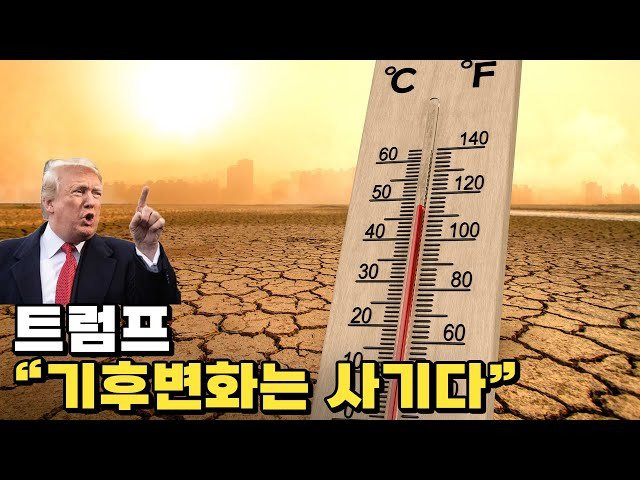
기후변화와 사회경제적 불평등의 악순환
기후변화가 가져온 가장 충격적인 현실 중 하나는 이미 존재하던 사회경제적 불평등을 심화시킨다는 점입니다. 세계경제포럼에 따르면, 극심한 기상 현상은 전쟁에 이어 두 번째로 큰 글로벌 위협으로 꼽히고 있습니다.
가난한 사람들이 더 많이 고통받는 기후위기
연구에 따르면, 기후변화가 심화될수록 전 세계 인구 중 소득 하위 50%가 상대적 소득 손실의 75%를 차지할 것으로 예측됩니다. 이는 탄소 배출에 가장 적게 기여한 사람들이 오히려 그 결과로 가장 큰 피해를 입게 된다는 뜻입니다.
미국 LA의 산불 사례는 이러한 불평등을 극명하게 보여줍니다:
- 부유한 가구: 충분한 보험 보장, 개인 소방대 고용 가능, 다중 주택 소유로 피난 용이
- 저소득 가구: 불충분한 보험, 제한된 자원, 주택 손실 시 노숙 위험 증가
기후보험의 위기: 시장 실패와 그 대안
기후변화로 인한 자연재해가 증가하면서 보험 시장은 큰 타격을 받고 있습니다. 미국 최대 주택 보험사인 스테이트 팜은 2023년에만 152억 달러의 손실을 입었습니다. 이로 인해 많은 보험사들이 위험이 높은 지역에서 철수하거나 보험료를 대폭 인상하는 상황이 발생하고 있습니다.
보험료 상승의 불평등한 영향
산불, 홍수, 허리케인과 같은 기후재난으로 인해 보험료가 천문학적으로 증가하면서, 특히 저소득층은 주택 보험을 더 이상 감당할 수 없게 되었습니다. 이는 단순한 경제적 문제를 넘어 주거 안정성과 사회적 안전망의 위기로 이어지고 있습니다.
캘리포니아 '페어플랜'의 한계
캘리포니아 주정부가 운영하는 '페어플랜'은 민간 보험에 가입할 수 없는 주민들을 위한 최후의 보루로 설계되었지만, 점점 더 많은 사람들이 이 프로그램에 의존하면서 지속가능성이 위협받고 있습니다:
- 기후재해 증가로 페어플랜의 재정 적자 발생
- 주정부가 민간 보험사에 추가 자금 지원 요청
- 민간 보험사가 비용을 보험계약자에게 전가
- 결과적으로 모든 주택 소유자의 보험료 상승
이러한 악순환은 공적 보험 시스템 자체를 위태롭게 만들고 있습니다.
공공 기후보험: 새로운 안전망의 가능성
기후위기에 대응하기 위해 더 강력한 공공 안전망이 필요하다는 주장이 힘을 얻고 있습니다. 특히 민간 보험 시장이 제 기능을 못하는 상황에서, 공적 영역의 역할이 중요해지고 있습니다.
경기도의 혁신적인 기후보험 정책
한국 경기도는 국내 최초로 기후로 인한 건강 피해를 지원하는 보험을 도입했습니다. 이 보험의 특징은:
- 모든 경기도민 자동 가입
- 폭염, 동상, 기후폭풍 등 다양한 기후 관련 질환 보장
- 진단비 및 교통비 지원
- 취약계층 추가 지원 제공
이러한 정책은 기후변화로 인한 건강 위험에 대비하는 새로운 모델을 제시하고 있습니다. 특히 주목할 점은 자동 가입 방식을 통해 정보 접근성이 낮거나 경제적 여유가 없는 취약계층도 보호받을 수 있다는 점입니다.
기후위기, 환경 문제를 넘어 사회 정의의 문제
기후변화는 더 이상 단순한 환경 문제가 아닙니다. 이는 우리 사회의 가장 근본적인 가치인 평등과 정의의 문제입니다. 기후 불평등은 이미 존재하는 사회경제적 격차를 더욱 심화시키고 있으며, 이러한 상황을 방치한다면 우리 사회는 더욱 분열될 것입니다.
우리 모두가 직면한 이 위기를 해결하기 위해서는:
- 탄소 배출량을 대폭 줄이는 과감한 기후정책
- 기후재난에 취약한 계층을 보호하는 사회안전망 강화
- 민간 시장의 한계를 보완하는 공공 기후보험 확대
- 기후위기에 대한 인식 제고와 공동 대응 노력
기후변화는 불가피하게 우리 모두의 삶에 영향을 미칠 것입니다. 그러나 그 영향을 누가, 얼마나 받을 것인가는 우리의 정책적 선택에 달려 있습니다. 기후정의를 실현하는 것은 단순히 환경을 보호하는 것을 넘어, 더 공정하고 지속가능한 사회를 만드는 길이기도 합니다.
여러분은 어떻게 생각하시나요? 기후변화로 인한 불평등 문제를 해결하기 위해 우리 사회는 어떤 노력을 기울여야 할까요? 그리고 개인으로서 우리는 어떤 역할을 할 수 있을까요?
#기후변화 #기후위기 #기후불평등 #지구온난화 #기후보험 #환경정의 #사회정의 #탄소배출 #기후재난 #공공보험 #사회안전망 #경기도기후보험 #기후정책 #지속가능성 #환경보호
The Shadow of Climate Crisis: How Global Warming Deepens Inequality, Is There a Solution?
Climate change is no longer a distant future narrative but a present reality. In 2024, the World Meteorological Organization (WMO) officially announced that global temperatures have finally exceeded 1.5°C above pre-industrial levels. This is not merely a change in numbers but could mark a watershed moment in humanity's greatest crisis. However, this crisis does not affect everyone equally. Climate change is creating new forms of inequality, and its impact is already concentrated on the most vulnerable segments of our society.
The Current State of Climate Change: Have We Reached the Point of No Return?
2024 will be a significant turning point in human history. The WMO's announcement that global temperatures have exceeded 1.5°C above pre-industrial levels means we have crossed an important threshold set in the 2015 Paris Climate Agreement. Carbon dioxide concentrations in the atmosphere have reached their highest levels in 800,000 years, and the rate of ocean warming over the past 20 years is twice that of the previous 40 years.
Acceleration and Irreversibility of Climate Change
"Changes in the oceans will result in consequences that cannot be reversed even after hundreds or thousands of years."
These changes carry meaning beyond simple temperature increases. Polar glaciers and perennial snow on high mountains may no longer be visible to our descendants. This represents not just the loss of beautiful landscapes but fundamental changes to the global ecosystem.
The Vicious Cycle of Climate Change and Socioeconomic Inequality
One of the most shocking realities of climate change is that it exacerbates existing socioeconomic inequalities. According to the World Economic Forum, extreme weather events are ranked as the second greatest global threat after war.
The Climate Crisis Hurts the Poor More
Research predicts that as climate change intensifies, the bottom 50% of the global population by income will bear 75% of the relative income losses. This means those who have contributed least to carbon emissions will suffer the most from its consequences.
The case of wildfires in Los Angeles, USA, starkly illustrates this inequality:
- Wealthy households: Sufficient insurance coverage, ability to hire private firefighters, multiple home ownership facilitating evacuation
- Low-income households: Insufficient insurance, limited resources, increased risk of homelessness when homes are lost
The Crisis in Climate Insurance: Market Failure and Alternatives
As natural disasters increase due to climate change, the insurance market is taking a significant hit. State Farm, America's largest home insurer, suffered losses of $15.2 billion in 2023 alone. As a result, many insurers are withdrawing from high-risk areas or substantially increasing premiums.
The Unequal Impact of Rising Insurance Premiums
As insurance premiums skyrocket due to climate disasters like wildfires, floods, and hurricanes, particularly low-income populations can no longer afford home insurance. This extends beyond economic issues to create crises in housing stability and social safety nets.
Limitations of California's 'FAIR Plan'
California's state-operated 'FAIR Plan,' designed as a last resort for residents unable to obtain private insurance, is facing sustainability challenges as more people depend on the program:
- Financial deficits in the FAIR Plan due to increasing climate disasters
- State government requests for additional funding from private insurers
- Private insurers passing costs on to policyholders
- Resulting in higher insurance premiums for all homeowners
This vicious cycle threatens the public insurance system itself.
Public Climate Insurance: The Possibility of a New Safety Net
Arguments for stronger public safety nets to address the climate crisis are gaining traction. The role of the public sector becomes particularly important when private insurance markets fail to function properly.
Gyeonggi Province's Innovative Climate Insurance Policy
South Korea's Gyeonggi Province has introduced the country's first insurance supporting health damages caused by climate factors. Features of this insurance include:
- Automatic enrollment for all Gyeonggi residents
- Coverage for various climate-related conditions including heat waves, frostbite, and climate storms
- Support for diagnosis and transportation costs
- Additional support for vulnerable populations
This policy presents a new model for preparing against health risks due to climate change. A particularly noteworthy aspect is that the automatic enrollment system protects vulnerable populations with limited information access or financial resources.
Climate Crisis: Beyond Environmental Issues to Social Justice
Climate change is no longer simply an environmental issue. It concerns the most fundamental values of our society: equality and justice. Climate inequality is deepening existing socioeconomic gaps, and if this situation continues unchecked, our society will become increasingly divided.
To address this crisis facing us all, we need:
- Bold climate policies that drastically reduce carbon emissions
- Strengthened social safety nets protecting those vulnerable to climate disasters
- Expanded public climate insurance to complement private market limitations
- Increased awareness and collective response efforts regarding the climate crisis
Climate change will inevitably affect all our lives. However, who will be affected and to what extent depends on our policy choices. Realizing climate justice goes beyond protecting the environment—it's also a path to creating a fairer and more sustainable society.
What do you think? What efforts should our society make to address inequality issues caused by climate change? And what role can we play as individuals?
#ClimateChange #ClimateCrisis #ClimateInequality #GlobalWarming #ClimateInsurance #EnvironmentalJustice #SocialJustice #CarbonEmissions #ClimateDisaster #PublicInsurance #SocialSafetyNet #GyeonggiClimateInsurance #ClimatePolicy #Sustainability #EnvironmentalProtection
#기후변화 #기후위기 #기후불평등 #지구온난화 #기후보험 #환경정의 #사회정의 #탄소배출 #기후재난 #공공보험 #사회안전망 #경기도기후보험 #기후정책 #지속가능성 #환경보호
'이슈 > 경제' 카테고리의 다른 글
| 🚨 발란 미정산 사태, 제2의 티메프가 될 것인가? - 유통업계를 뒤흔드는 또 하나의 '악몽' (0) | 2025.03.28 |
|---|---|
| 경제 현안 총정리: 트럼프 관세부터 공매도 재개까지 - 3월 28일 경제 핵심 요약 (0) | 2025.03.28 |
| 투기가 아닌 투자로 부자되기: 홍춘욱 박사의 4분할 포트폴리오 전략 (2) | 2025.03.27 |
| AI 시대의 한국 IT 기업들: 트럼프 관세 정책 속 생존과 혁신 전략 (1) | 2025.03.27 |
| 2025년 부동산 혁명: 지분형 모기지로 내 집 마련부터 급등하는 구리 가격까지, 알아두면 이득인 경제 트렌드 (0) | 2025.03.27 |


