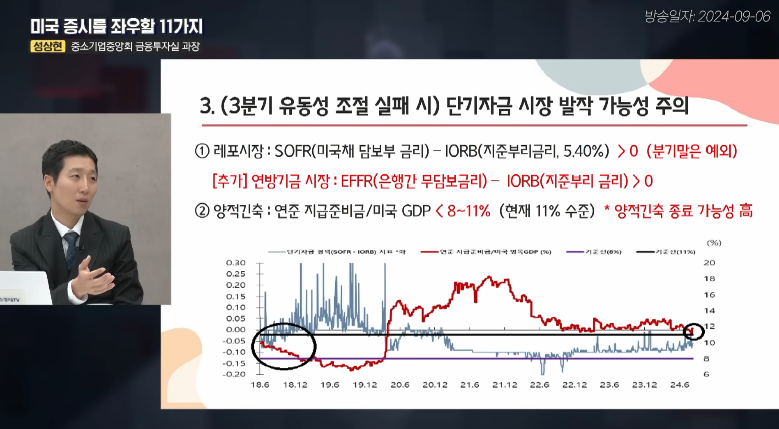
미국 금융 시장이 요동치고 있습니다. 그 중심에는 트럼프 행정부의 경제 정책과 이를 둘러싼 거시경제적 변화가 자리 잡고 있습니다. 중소기업중앙회 금융투자실 성상현 부부장은 최근 방송에서 이와 관련된 심층적인 분석을 제시하며, 미국 경제가 맞이한 중대한 기로와 그 전망을 이야기했습니다. 과연 트럼프의 정책은 미국 경제를 새로운 부흥기로 이끌 수 있을까요, 아니면 패권 약화의 길로 접어들게 할까요?
트럼프 경제 정책: 실물 경제 회복에 초점
트럼프 대통령은 "직관적인 리더"로 평가받으며, 인플레이션 지표보다 실제로 피부로 느끼는 것에 집중하는 경향이 있습니다. 그의 경제 정책은 금융 중심에서 벗어나 제조업 부흥과 실물 경제 회복을 최우선 과제로 삼고 있습니다. 이는 레이건 시대 이후 지속되어 온 신자유주의 체제의 종말을 예고하며, 새로운 체제로의 전환을 시사합니다.
- 신자유주의 종식: 성 부부장은 현재를 "신자유주의 체제의 마지막 국면"으로 진단하며, 트럼프 2기 집권이 미국 경제의 구조적 변화를 촉진할 가능성을 제시합니다.
- 실물 경제 회복: 리쇼어링(제조업 본국 회귀), 관세 정책, 감세 등을 통해 미국 내 생산성을 높이고 지속 가능한 성장을 추구하는 "진화된 레이거노믹스"를 강조합니다.
미국 경제의 기로: 새로운 부흥 vs. 패권 약화
성 부부장은 미국 경제가 "매우 중요한 기점"에 와 있다고 진단하며, 두 가지 극단적인 시나리오를 제시합니다.
- 새로운 성장 주기로 진입: 과거 독립 전쟁, 대공황 등 위기 속에서도 혁신을 통해 새로운 성장 동력을 만들어냈던 미국의 역사를 상기시키며, 이번에도 실물 경제 회복을 통해 부흥기를 맞이할 가능성을 언급합니다.
- 패권 약화: 그러나 이번 위기는 과거와 달리 미국 패권 자체가 도전받는 상황입니다. 실물 경제 회복에 실패할 경우, 패권 상실은 물론이고 국가적 쇠퇴로 이어질 수 있다고 경고합니다.
경기 침체와 관망 경제
현재 경기 침체 우려는 정부가 "의도적으로 관망하는 상황"에서 비롯된 것으로 보입니다. 소비자와 기업들이 불확실성 속에서 투자와 소비를 늦추고 있는 상황인데요, 이는 트럼프 행정부가 장기적인 실물 경제 회복 전략을 추진하는 과정에서 나타나는 현상으로 해석됩니다.
- 관세 정책: 단기적으로는 우려를 자극하지만, 이는 실물 경제 활성화를 위한 장기 전략으로 볼 수 있습니다.
- 인플레이션 통제: 트럼프 행정부는 유가 안정화를 통해 물가를 조절하고 소비 심리를 개선하려는 노력을 기울이고 있습니다.
유가 안정화와 연준의 역할
유가는 물가뿐만 아니라 기업과 소비자의 심리에 큰 영향을 미칩니다. 성 부부장은 트럼프 행정부가 유가 공급 확대를 위해 기후 협약 탈퇴 및 러시아와 관계 개선 시도를 추진했다고 분석하며, 유가 안정이 실물 경제 회복의 핵심이라고 강조합니다.
또한, 2025년 대규모 국채 만기가 도래함에 따라 연준과 재무부가 금리 안정화를 통해 국채 발행 환경을 조성하는 것이 중요하다고 언급했습니다.
스테이블 코인의 역할: 달러 패권 유지
트럼프 행정부는 스테이블 코인을 국제 결제 수단으로 활용하여 달러 패권을 유지하려는 전략을 구상 중입니다. 이는 자본 유출 방지 및 국채 수요 확대를 통해 자산 시장의 과도한 인플레이션을 억제하려는 목적과 연결됩니다.
결론 및 투자자 행동 요령
성상현 부부장은 현재 미국 금융 시장의 변동성이 트럼프 행정부의 정책 전환 과정에서 불가피하게 발생하는 일시적 현상이라고 진단합니다. 그는 유가 안정화와 제조업 부흥이 성공적으로 이루어진다면 미국 경제는 새로운 성장 궤도에 진입할 가능성이 높다고 전망했습니다.
투자자들은 다음 사항에 주목해야 합니다:
- 유가 움직임
- 미국 국채 시장 동향
- 트럼프 행정부의 추가적인 경제 정책 발표
미국 금융 시장의 변화는 단순히 한 나라만의 문제가 아닙니다. 글로벌 투자 환경에도 직결되는 만큼, 앞으로 어떤 방향으로 흘러갈지 주목해야 할 때입니다.
#트럼프경제정책 #미국금융시장 #신자유주의 #패권경쟁 #경기침체 #관망경제 #유가안정화 #스테이블코인 #연준역할 #제조업부흥 #미국국채
The Revival of Trump’s Economic Policy: Volatility in the U.S. Financial Market and Its Implications
The U.S. financial market is experiencing significant turbulence, and at the heart of this lies the economic policies of the Trump administration and the macroeconomic shifts surrounding them. Sung Sang-Hyun, Deputy Director of the Financial Investment Office at the Korea Federation of SMEs, recently provided an in-depth analysis on this topic. His insights shed light on the crossroads facing the U.S. economy: Will Trump’s policies lead to a new era of prosperity or signal the decline of American hegemony?
Trump’s Economic Policy: Focus on Real Economy Recovery
President Trump is often described as an "intuitive leader," focusing less on inflation indicators and more on what people actually feel. His economic policies prioritize moving away from a finance-driven structure to revitalize manufacturing and recover the real economy. This marks the potential end of the neoliberal era and signals a shift toward a new economic framework.
- End of Neoliberalism: Sung identifies the current phase as "the final stage of the neoliberal system," suggesting that Trump’s second term could catalyze structural changes in the U.S. economy.
- Real Economy Recovery: Policies like reshoring (bringing manufacturing back to the U.S.), tariffs, and tax cuts aim to boost domestic productivity and promote sustainable growth under what Sung calls "evolved Reaganomics."
The Crossroads for the U.S. Economy: New Prosperity vs. Declining Hegemony
Sung emphasizes that the U.S. economy stands at a "critical juncture," with two extreme scenarios ahead:
- Entering a New Growth Cycle: The U.S. has historically overcome crises like the Revolutionary War, Great Depression, and Cold War through innovation and finding new growth engines. This time could be no different if real economy recovery succeeds.
- Declining Hegemony: However, unlike past crises, this one challenges America’s global dominance itself. Failure to revive the real economy could lead not only to losing its hegemony but also to national decline.
Recession Concerns and a “Wait-and-See” Economy
Current recession fears stem from what Sung describes as an "intentional wait-and-see economy." Both consumers and businesses are delaying investments and spending due to uncertainty, which aligns with Trump’s long-term strategy for real economic recovery.
- Tariff Policies: While they may stoke short-term concerns, tariffs are part of a broader strategy for revitalizing domestic industries.
- Inflation Control: The administration is focusing on stabilizing oil prices to manage inflation and improve consumer sentiment.
Oil Price Stabilization and the Role of the Fed
Oil prices significantly impact not only inflation but also corporate and consumer psychology. Sung analyzes Trump’s moves—such as withdrawing from climate agreements and improving relations with Russia—as efforts to expand oil supply, which he sees as crucial for real economic recovery.
Additionally, with large-scale U.S. Treasury maturities approaching in 2025, stabilizing interest rates is essential for creating favorable conditions for Treasury issuance. Sung highlights that while rate cuts by the Fed may occur, their effectiveness depends on reducing long-term uncertainty in markets.
The Role of Stablecoins: Maintaining Dollar Dominance
The Trump administration is exploring stablecoins as international payment tools to sustain dollar hegemony. This strategy aims to prevent capital outflows, increase demand for U.S. Treasuries, and curb excessive inflation in asset markets.
Conclusion & Investor Action Plan
Sung Sang-Hyun concludes that current volatility in U.S. financial markets is an inevitable byproduct of Trump’s policy transition toward real economy recovery. He remains optimistic about America’s long-term growth potential, stating that successful stabilization of oil prices and manufacturing revival could lead to a new era of prosperity.
Key areas for investors to monitor include:
- Oil price trends
- U.S. Treasury market dynamics
- Additional economic policy announcements from the Trump administration
The shifts in America’s financial market are not just domestic issues—they have global implications. As such, it is crucial to keep an eye on how these developments unfold.
#TrumpEconomicPolicy #USFinancialMarket #Neoliberalism #HegemonyChallenge #RecessionConcerns #WaitAndSeeEconomy #OilPriceStabilization #Stablecoins #FederalReserve #ManufacturingRevival #USTreasuries
'이슈 > 경제' 카테고리의 다른 글
| 디지털 달러 패권의 시대: 스테이블 코인의 부상과 글로벌 금융 질서의 변화 (0) | 2025.03.16 |
|---|---|
| 국민연금 개혁, 드디어 합의? 내 연금은 어떻게 달라질까? (1) | 2025.03.16 |
| AI와 경제의 미래: 레이 달리오가 말하는 기회와 위기 (1) | 2025.03.15 |
| 트럼프 시대의 새로운 금융 패러다임: 달러 스테이블 코인이 가져올 혁명적 변화 (1) | 2025.03.15 |
| 트럼프의 암호화폐 전략, 비트코인과 달러 스테이블 코인이 바꿀 미래는? (1) | 2025.03.15 |


