금융 세계의 거인 제이미 다이먼(Jamie Dimon)은 단순한 은행가를 넘어 현대 비즈니스 리더십의 상징이 되었습니다. 2005년부터 JP모건체이스의 CEO로 재직하며 그는 글로벌 금융위기 속에서도 안정적인 성장을 이끌어내는 놀라운 능력을 보여주었습니다. 그러나 그의 진정한 영향력은 숫자와 실적을 넘어 사람과 가치에 중심을 둔 그의 리더십 철학에 있습니다. 오늘은 화려한 성공 이면에 숨겨진 제이미 다이먼의 마음속 이야기와 그가 전하는 리더십의 핵심 교훈을 함께 살펴보겠습니다.
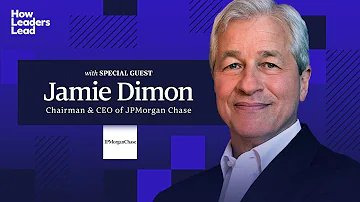
Inside the Mind of Jamie Dimon, JP Morgan CEO: Lessons on Leadership and Success
**제이미 다이먼의 마음 속 이야기**는 존경받는 JP 모건의 CEO가 전하는 리더십에 대한 핵심적인 **교훈**을 설명합니다. 이 대화는 정교한 전략보다 **실행**의 중요성과 **행동에 대한 편견**을 우
lilys.ai
실행 중심의 리더십: 전략보다 중요한 것
"전략이 2류라면 실행력이 1류여야 한다"는 말은 다이먼의 리더십 철학을 가장 잘 보여주는 표현입니다. 많은 기업들이 완벽한 전략 수립에 집중하지만, 다이먼은 오히려 실행의 중요성을 강조합니다.
JP모건의 성공 비결을 묻는 질문에 다이먼은 종종 "OODA 루프(Observe, Orient, Decide, Act—Repeat)"를 언급합니다. 이는 관찰, 방향 설정, 결정, 행동 그리고 반복이라는 군사 전술에서 영감을 받은 것으로, 치명적인 실수를 방지하는 데 큰 도움이 됩니다^3.
"군대는 종종 생사를 넘나드는 강도의 스트레스에 처합니다. 전쟁의 안개와 불확실성 속에서 운영됩니다. 주변을 관찰하고 전체 상황을 평가하는 것이 가장 중요합니다. 이 같은 루틴을 소홀히 하면 전쟁뿐만 아니라 비즈니스, 국가 경영에서도 큰 실수를 저지르게 됩니다."라고 다이먼은 말합니다^3.
이러한 실행 중심의 사고방식은 2008년 금융위기 동안 JP모건이 상대적으로 안정적인 성장을 유지할 수 있었던 핵심 요인이었습니다. 다이먼은 위기가 닥치기 전인 2006년 말, 서브프라임 모기지에 문제가 있다는 직원들의 의견을 귀담아 들었고, 이에 따라 서브프라임 모기지를 매각하고 거래를 중지했습니다^11.
진정성 있는 리더의 가치관
제이미 다이먼은 "개인적으로 제게 가장 중요한 것은 비즈니스가 아닙니다. 제 가족과 인류지요"라고 말합니다^2. 그의 리더십은 단순한 이윤 추구를 넘어 더 넓은 사회적 책임과 연결되어 있습니다.
가족과 교육의 영향력
1956년 뉴욕에서 태어난 다이먼은 금융 가정에서 자랐습니다. 그의 할아버지와 아버지 모두 금융업에 종사했으며, 이러한 가정 환경은 그가 어린 시절부터 금융에 대한 이해를 자연스럽게 키우는 데 중요한 역할을 했습니다^1. 그는 그리스 이민자 3세로, 그의 할아버지는 1919년 그리스에서 뉴욕으로 이주하여 접시닦이부터 주식중개까지 다양한 일을 경험했습니다^2.
다이먼의 교육 배경도 그의 리더십 형성에 큰 영향을 미쳤습니다. 그는 터프츠 대학에서 심리학과 경제학을 공부하고 하버드 경영대학원에서 MBA를 취득했습니다. 이러한 학문적 배경은 그가 금융의 복잡성을 이해하고 전략적 결정을 내리는 데 탁월한 능력을 발휘하는 기반이 되었습니다^1.
핵심 가치: 최선을 다하고 모든 사람을 존중하기
다이먼의 리더십에서 가장 중요한 요소 중 하나는 '스피크 업(speak up)'의 문화입니다. 그는 "리더는 주변에 진실을 말하는 사람(truth teller) 한 사람은 둬야 한다고 말합니다. 하지만 저는 그 말이 틀렸다고 생각합니다. 제 주변에 7명이 있고, 그중에 한 사람이 진실을 말하는 사람이라면, 저는 나머지 6명을 해고할 겁니다. 모두가 나서서 진실을 말해야 합니다."라고 강조합니다^11.
이러한 문화는 JP모건이 위기를 예측하고 대응하는 데 큰 도움이 되었습니다. 다이먼은 "회사가 잘 나아가고 있는 가운데 뒤로 처져 혜택받지 못하고 있는 많은 사람들이 분명히 있다"고 인식하며^4, 사회적 책임에도 깊은 관심을 두고 있습니다.
역경을 통한 성장: 배신에서 부활까지
다이먼의 커리어가 항상 순탄했던 것은 아닙니다. 그의 성공 신화에는 절망과 부활의 드라마틱한 이야기가 숨어 있습니다.
멘토의 배신과 새로운 시작
다이먼은 초기 경력에서 아버지의 친구이자 월가의 거물인 샌디 웨일(Sandy Weill)과 함께 일했습니다. 15년 이상 함께 일하며 씨티그룹 등을 만드는 데 기여했지만, 승진 문제를 두고 갈등이 생겨 1998년에 웨일에 의해 해고되는 아픔을 겪었습니다^10.
43세의 나이에 월가의 최정점에서 쫓겨난 후, 다이먼은 포기하지 않았습니다. 그는 복싱을 배우며 정신적, 육체적으로 단련했고, 과거 위인들의 실패 사례를 연구하며 재기를 준비했습니다^10.
JP모건으로 가는 길
1년 반의 실업 기간 후, 다이먼은 2000년 미국 중서부의 시카고에 있는 뱅크원의 CEO로 부임했습니다. 여기서 그는 "징징대지 말 것(No Whining)"이라는 표어를 사무실에 걸어두고, 7천 명을 감원하는 대대적인 구조조정을 통해 회사를 흑자로 전환시켰습니다^5.
2004년, JP모건이 뱅크원을 인수하면서 다이먼은 JP모건의 경영권을 쥐게 되었고, 2006년에는 이사회 의장까지 맡게 되었습니다^6. 이후 2008년 금융위기 동안 베어스턴스와 워싱턴뮤추얼을 인수하며 JP모건을 미국 최대 은행으로 성장시켰습니다^10.
리더십의 실천 방법
다이먼의 리더십은 단순한 이론이 아니라 실제 비즈니스 현장에서 검증된 실천적 지혜에 기반합니다.
호기심과 진정한 관심
효과적인 리더는 호기심을 갖고 직원들에게 진정한 관심을 보여야 한다고 다이먼은 강조합니다. 이는 단순히 업무 성과뿐만 아니라 그들의 개인적인 성장과 웰빙에도 신경 쓰는 것을 의미합니다.
다이먼은 미국 경제의 양극화 문제를 지적하며 "미국인의 40%는 시간당 15달러 미만의 급여를 받고 있고, 미국인의 40%는 의료비든 자동차 수리비든 400달러를 감당할 수 없다"는 현실을 언급했습니다^4. 이러한 인식을 바탕으로 그는 JP모건에서 고용 촉진 프로그램과 같은 사회 공헌 활동을 적극적으로 추진했습니다.
신기술에 대한 열린 자세
다이먼은 처음에는 비트코인을 포함한 암호화폐에 대해 회의적이었지만, 시간이 지나면서 자신의 의견을 수정하고 JPM코인을 출시하기도 했습니다^6. 또한 인공지능(AI)에 대해서도 "AI는 과장된 것이 아니라 현실"이라며 그 중요성을 강조합니다^7.
그는 "처음 인터넷 버블이 일어났을 때 그것은 과장이었으나 이것(AI)은 과장이 아닌 현실"이라며 "사람들이 이를 사용하는 시점은 서로 다르지만 향후 엄청난 양의 작업을 하게 될 것"이라고 말했습니다^7.
팀과 문화의 중요성
다이먼은 리더십에서 팀 문화와 구성원 간의 신뢰가 얼마나 중요한지 자주 강조합니다. JP모건의 성공은 다이먼 혼자만의 업적이 아니라, 그가 구축한 팀과 문화의 결과입니다.
그는 "사람을 잘못 뽑는 것이 가장 큰 실수"라고 말하며, 직원들이 서로 신뢰하고 협력하는 문화를 만드는 것이 중요하다고 설명합니다. 이러한 문화 속에서 직원들은 자유롭게 의견을 표현하고, 회사의 부정적인 측면까지도 지적할 수 있게 됩니다^11.
오늘날의 비즈니스 환경에 주는 교훈
제이미 다이먼의 리더십 철학은 오늘날의 비즈니스 리더들에게 많은 시사점을 제공합니다.
실행 중심의 사고방식
다이먼은 완벽한 전략보다 훌륭한 실행력이 더 중요하다고 강조합니다. 이는 빠르게 변화하는 현대 비즈니스 환경에서 특히 중요한 교훈입니다. 계획만 하고 실행하지 않는 것보다, 때로는 불완전한 전략이라도 적극적으로 실행하며 배우고 발전시키는 것이 더 효과적일 수 있습니다.
진정성 있는 리더십
다이먼의 성공은 그의 진정성과 투명성에 크게 기인합니다. 그는 직원들에게 솔직하게 의견을 말하도록 격려하고, 자신도 진실을 말하는 데 주저하지 않습니다. 이러한 진정성은 리더와 팀원 간의 신뢰를 구축하는 데 필수적입니다.
위기 관리와 적응력
다이먼은 위기 상황에서 침착하게 대응하고 빠르게 적응하는 능력을 보여주었습니다. 2008년 금융위기와 같은 어려운 상황에서도 그는 기회를 포착하고 회사를 더 강화시키는 결정을 내렸습니다. 이러한 적응력은 불확실성이 큰 현대 비즈니스 환경에서 매우 중요한 리더십 자질입니다.
결론: 마음을 움직이는 진정한 리더십
제이미 다이먼의 리더십 여정은 단순한 성공 스토리를 넘어 진정한 리더의 마음과 가치관이 얼마나 중요한지 보여줍니다. 그의 실행 중심 접근법, 진정성 있는 소통, 그리고 사람과 사회에 대한 헌신은 오늘날 모든 비즈니스 리더들이 배워야 할 귀중한 교훈입니다.
다이먼은 리더가 단순히 전략가나 의사결정자가 아니라, 팀과 조직의 마음을 움직이고 영감을 주는 사람이어야 한다고 믿습니다. 그의 말처럼, "비즈니스가 잘되면 회사는 더 많은 사람을 고용할 수 있고, 세계 곳곳의 고객들과 공동체를 도울 수 있으며, 그런 방식을 통해 인류애를 실천할 수 있습니다."^2
오늘날의 리더들에게 필요한 것은 화려한 전략보다 실행력과 진정성이라는 다이먼의 메시지는, 모든 산업과 분야에서 리더십을 발휘하는 이들에게 깊은 영감을 줍니다. 복잡한 기술과 방법론보다 더 중요한 것은 리더의 마음과 태도라는 사실을 다시 한번 일깨워줍니다.
#금융리더십 #제이미다이먼 #JPMorgan #리더십철학 #실행중심리더십 #비즈니스리더십 #위기관리 #OODA루프 #진정성있는리더십 #기업문화 #경영철학 #금융CEO #리더십교훈 #성공철학 #조직문화
Leadership That Moves Hearts: Insights and Philosophy of Jamie Dimon
Jamie Dimon, a giant in the financial world, has transcended the role of a mere banker to become a symbol of modern business leadership. As CEO of JPMorgan Chase since 2005, he has demonstrated a remarkable ability to lead stable growth even during the global financial crisis. However, his true influence lies beyond numbers and performance, in his leadership philosophy centered on people and values. Today, let's explore the inner workings of Jamie Dimon's mind and the core leadership lessons he shares.
Execution-Centered Leadership: What's More Important Than Strategy
"If your strategy is second-rate, your execution must be first-rate" is an expression that best exemplifies Dimon's leadership philosophy. While many companies focus on developing perfect strategies, Dimon emphasizes the importance of execution.
When asked about the secret to JPMorgan's success, Dimon often mentions the "OODA Loop (Observe, Orient, Decide, Act—Repeat)." Inspired by military tactics, this approach helps prevent fatal mistakes^3.
"The military often operates under life-and-death stress. It operates in the fog and uncertainty of war. Observing surroundings and assessing the overall situation is most important. Neglecting this routine leads to major mistakes not only in war but also in business and national governance," Dimon says^3.
This execution-focused mindset was a key factor in JPMorgan's relatively stable growth during the 2008 financial crisis. Before the crisis hit, in late 2006, Dimon listened to employees' concerns about subprime mortgages and consequently sold them off and stopped transactions^11.
Values of an Authentic Leader
Jamie Dimon states, "Personally, the most important thing to me is not business. It's my family and humanity"^2. His leadership extends beyond mere profit-seeking to broader social responsibility.
The Influence of Family and Education
Born in New York in 1956, Dimon grew up in a financial family. Both his grandfather and father worked in finance, and this environment played an important role in naturally developing his understanding of finance from a young age^1. As a third-generation Greek immigrant, his grandfather moved from Greece to New York in 1919 and experienced various jobs from dishwashing to stock brokerage^2.
Dimon's educational background also significantly influenced his leadership formation. He studied psychology and economics at Tufts University and earned an MBA from Harvard Business School. This academic background became the foundation for his exceptional ability to understand financial complexities and make strategic decisions^1.
Core Values: Doing Your Best and Respecting Everyone
One of the most important elements in Dimon's leadership is the culture of 'speaking up.' He emphasizes, "They say a leader should have one truth-teller around them. But I think that's wrong. If I have seven people around me and only one of them is a truth-teller, I'll fire the other six. Everyone should step up and tell the truth."^11.
This culture has greatly helped JPMorgan predict and respond to crises. Dimon recognizes that "there are clearly many people who are left behind and not benefiting while the company is doing well"^4, and he has a deep interest in social responsibility.
Growth Through Adversity: From Betrayal to Resurrection
Dimon's career hasn't always been smooth. His success story includes a dramatic tale of despair and resurrection.
Betrayal by a Mentor and a New Beginning
In his early career, Dimon worked with Sandy Weill, a Wall Street mogul and friend of his father. After working together for over 15 years and contributing to the creation of Citigroup, he was fired by Weill in 1998 due to conflicts over promotion issues^10.
After being ousted from the pinnacle of Wall Street at the age of 43, Dimon didn't give up. He trained mentally and physically by learning boxing, studied the failure cases of historical figures, and prepared for his comeback^10.
The Path to JPMorgan
After a year and a half of unemployment, Dimon became CEO of Bank One in Chicago, in the American Midwest, in 2000. There, he hung a motto "No Whining" in his office and turned the company into profit through a massive restructuring that laid off 7,000 people^5.
In 2004, when JPMorgan acquired Bank One, Dimon gained control of JPMorgan, and by 2006, he had become chairman of the board^6. During the 2008 financial crisis, he grew JPMorgan into America's largest bank by acquiring Bear Stearns and Washington Mutual^10.
How to Practice Leadership
Dimon's leadership is based on practical wisdom verified in actual business settings, not just theory.
Curiosity and Genuine Interest
Dimon emphasizes that effective leaders should show curiosity and genuine interest in their employees. This means caring not only about work performance but also about their personal growth and well-being.
Highlighting the polarization problem in the American economy, Dimon mentioned that "40% of Americans earn less than $15 per hour, and 40% cannot afford $400 whether it's for medical expenses or car repairs"^4. Based on this awareness, he actively promoted social contribution activities at JPMorgan, such as employment promotion programs.
Open Attitude Toward New Technologies
Although Dimon was initially skeptical about cryptocurrencies including Bitcoin, over time he revised his opinion and even launched JPM Coin^6. He also emphasizes the importance of artificial intelligence (AI), saying "AI is not an exaggeration but a reality"^7.
He stated, "When the internet bubble first occurred, it was an exaggeration, but this (AI) is not an exaggeration but a reality" and added, "Although the timing of people using it varies, it will perform an enormous amount of work in the future"^7.
The Importance of Team and Culture
Dimon frequently emphasizes how important team culture and trust among members are in leadership. JPMorgan's success is not just Dimon's achievement alone, but the result of the team and culture he built.
He says, "Hiring the wrong person is the biggest mistake," and explains that it's important to create a culture where employees trust and cooperate with each other. In such a culture, employees can freely express their opinions and even point out negative aspects of the company^11.
Lessons for Today's Business Environment
Jamie Dimon's leadership philosophy offers many implications for today's business leaders.
Execution-Centered Mindset
Dimon emphasizes that excellent execution ability is more important than a perfect strategy. This is a particularly important lesson in today's rapidly changing business environment. Sometimes, actively implementing even an imperfect strategy, learning from it, and developing it can be more effective than planning without execution.
Authentic Leadership
Dimon's success is largely attributed to his authenticity and transparency. He encourages employees to speak their minds honestly, and he doesn't hesitate to tell the truth himself. This authenticity is essential for building trust between leaders and team members.
Crisis Management and Adaptability
Dimon has demonstrated the ability to respond calmly and adapt quickly in crisis situations. Even in difficult situations like the 2008 financial crisis, he captured opportunities and made decisions that strengthened the company. This adaptability is a very important leadership quality in today's business environment with its high uncertainty.
Conclusion: True Leadership That Moves Hearts
Jamie Dimon's leadership journey goes beyond a simple success story to show how important a true leader's heart and values are. His execution-centered approach, authentic communication, and commitment to people and society are valuable lessons that all business leaders today should learn.
Dimon believes that a leader should not simply be a strategist or decision-maker, but someone who moves hearts and inspires the team and organization. As he says, "When our business does well, the company can employ more people, help customers and communities around the world, and practice humanity in that way."^2
Dimon's message that today's leaders need execution ability and authenticity rather than fancy strategies inspires deeply those who exercise leadership in all industries and fields. It reminds us once again that the leader's heart and attitude are more important than complex techniques and methodologies.
#FinancialLeadership #JamieDimon #JPMorgan #LeadershipPhilosophy #ExecutionCenteredLeadership #BusinessLeadership #CrisisManagement #OODALoop #AuthenticLeadership #CorporateCulture #ManagementPhilosophy #FinanceCEO #LeadershipLessons #SuccessPhilosophy #OrganizationalCulture
#금융리더십 #제이미다이먼 #JPMorgan #리더십철학 #실행중심리더십 #비즈니스리더십 #위기관리 #OODA루프 #진정성있는리더십 #기업문화 #경영철학 #금융CEO #리더십교훈 #성공철학 #조직문화
'생활정보 > 성장' 카테고리의 다른 글
| 가슴으로 낳은 모성애, 양수경이 입양 딸에게 전한 "널 낳지 못해 미안" 눈물의 고백 (1) | 2025.04.08 |
|---|---|
| 인생의 역경이 만든 정의의 심판자들: 문형배와 김형두 재판관의 특별한 삶의 여정 (0) | 2025.04.07 |
| 마처세대의 놀라운 반전, 자격증으로 열어가는 인생 2막의 황금기 (1) | 2025.04.07 |
| 시대를 앞서가는 '핵개인' 되는 법: 자신만의 서사를 만들어 내는 새로운 생존 전략 (1) | 2025.04.06 |
| 눈물과 웃음 사이: 박경림의 화려한 성공 뒤에 숨겨진 뜨거운 도전과 진솔한 이야기 (3) | 2025.04.05 |


