경제 뉴스를 30분 만에 확인하려는 당신을 위해 오늘의 가장 뜨거운 이슈를 짚어드립니다. 2025년 4월 7일, 세계 경제를 뒤흔드는 미중 무역 전쟁의 새로운 국면에 대해 알아보세요. 트럼프의 관세 폭탄과 중국의 즉각적인 보복으로 전 세계 금융시장이 떨고 있습니다. 이 글에서는 현재 상황의 심각성과 투자자들이 꼭 알아야 할 핵심 포인트를 소개합니다.
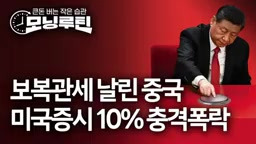
미중 무역 전쟁의 새로운 국면: 34% 보복 관세의 충격
미국과 중국의 전면전 돌입
세계 경제의 두 거인이 정면으로 충돌했습니다. 트럼프 행정부가 중국 수입품에 고율 관세를 부과하자, 중국은 하루 만에 34%의 보복 관세를 발표하며 즉각 대응했습니다. 중국 정부는 4월 10일 낮 12시 1분부터 미국산 모든 수입품에 대해 34%의 추가 관세를 부과하겠다고 선언했으며, 이는 트럼프의 세율과 정확히 일치하는 수치입니다.
중국은 이러한 미국의 관세 부과가 국제 무역 규칙에 반한다고 비판하며 WTO에 제소했고, 7개 종류의 희토류 수출 통제 조치도 시행했습니다. 이러한 강경한 대응은 무역 갈등이 외교 문제로까지 확산될 가능성을 시사합니다.
[손경제] 반트럼프 시위 | K-보안업체 호실적 | 일본 온천수 부족 | 20250407(월)
이진우의 손에 잡히는 경제 2025년 4월 7일 방송 요약입니다. 주요 내용은 다음과 같습니다. **미국 트럼프 행정부의 관세 정책**에 대한 반발 시위가 미국 전역과 해외에서 확산되고 있으며, 중국
lilys.ai
트럼프의 관세 정책과 세계 반응
트럼프 행정부는 현재 모든 수입품에 대해 10% 기본 관세를 부과하기 시작했으며, 국가별 상호 관세도 추가로 부과하고 있습니다. 미국의 평균 관세율은 이미 67%에 도달해, 트럼프의 대선 공약인 60% 관세가 사실상 달성된 상태입니다.
이런 상황에서 미국 내 반트럼프 시위가 확산되고 있으며, 하루에만 60만 명 이상이 참가한 대규모 집회가 열렸습니다. 트럼프 대통령의 관세 정책에 대한 반대 의견이 올해 1월 46%에서 이번 달 54%로 증가했으며, 부정적인 영향을 우려하는 목소리가 커지고 있습니다.
한국경제신문 30분 만에 읽기 | 20250407🌞#모닝루틴 | 아침 8시 라이브
이 영상은 한국경제신문을 30분 만에 요약하여 제공하는 **모닝 루틴** 라이브 방송입니다. 4월 7일자 주요 뉴스를 다루며, 특히 **미국과 중국 간의 무역 전쟁**이 세계 경제에 미치는 영향에 대해
lilys.ai
글로벌 금융시장의 패닉: 6조 6천억 달러 증발
세계 증시의 충격파
무역 전쟁의 영향으로 세계 금융시장이 패닉에 빠졌습니다. 특히 미국 증시에서는 이틀 만에 시가총액이 6조 6천억 달러가 증발했는데, 이는 약 일경원(1,000조 원)에 해당하는 엄청난 금액입니다. 미국 증시의 3대 지수는 5% 안팎 하락하여 이틀 동안 총 10%가 하락했습니다.
서학개미들이 보유한 주요 종목들도 큰 타격을 입었습니다. 테슬라는 이틀 동안 15% 이상 폭락했고, 엔비디아는 100달러 선이 무너졌으며, 애플은 200달러 아래로 하락했습니다. S&P 500에 포함된 500개 종목 중 단 14개만 상승했고, 나머지 종목들은 모두 하락세를 보였습니다.
안전자산의 이례적 움직임
흥미로운 점은 이런 위기 상황에서 전통적인 안전자산인 금의 가격이 오히려 하락했다는 것입니다. 전문가들은 이를 레버리지를 이용해 주식에 투자했던 투자자들이 주가 급락으로 현금이 필요해 금을 팔고 있기 때문이라고 분석합니다. 반면 미국의 10년 만기 국채금리는 연 3.8%로 하락했습니다.
중국 경제의 위기와 신용등급 하락
중국의 성장 전망 악화
피치는 상호관세가 중국의 성장과 재정에 하방압력을 미칠 가능성이 높다고 발표했으며, 18년 만에 중국의 신용등급을 하향 조정했습니다. 주된 이유는 재정건전성 악화로 인한 공공부채 증가입니다. 중국 정부는 이를 "편향적이고 현실을 반영하지 않은 결정"이라며 인정하지 않겠다고 발표했습니다.
중국 정부는 올해 경제성장률 목표를 5%로 설정했으나, 내수 부진으로 디플레이션 우려가 커지고 있어 목표 달성이 어려울 것으로 예상됩니다. 특히 중국의 채권시장 투자자들이 주로 국내 금융회사나 연기금 등이라는 점에서 단기 자금 조달에는 큰 차질이 없을 것으로 추정되지만, 장기적 관점에서는 경제 불안 요소로 작용할 가능성이 높습니다.
[이슈/경제] - 세계 금융위기, 이미 눈앞에 왔다 - 최용식 소장의 경제 위기 전망과 대응 전략
세계 금융위기, 이미 눈앞에 왔다 - 최용식 소장의 경제 위기 전망과 대응 전략
"시장의 기복이 일종의 날씨라면, 연준과 중앙은행은 기후를 결정한다." 이 통찰력 있는 문장은 현재 세계 금융 시스템의 핵심을 정확히 짚어냅니다. 우리가 매일 체감하는 경제 상황은 그저 날
agent-katrina.tistory.com
한국 경제에 미치는 영향: 0%대 성장률 위기
한국 경제성장률 전망 하락
트럼프 행정부의 고강도 관세 정책으로 인해 한국의 올해 경제 성장률이 0%대에 이를 가능성이 커지고 있습니다. 한국은행과 기재부의 분석에 따르면, 1분기 성장률은 0에서 0.2% 사이로 예상되며, 이는 매우 부진한 수치로 평가됩니다.
현재 한국은행은 올해 성장률 전망치를 1.5%에서 하향 조정할 수 있다고 밝히고 있으며, JP모간과 캐피털 이코노믹스는 이미 현재 성장률을 0.9%로 하향했습니다. 특히 한국 경제 성장률이 3분기 연속 0%대 성장이 될 것으로 전망되면서 우려가 깊어지고 있습니다.
정부의 대응책
이러한 상황에서 정부는 추가경정예산 논의를 활발히 진행 중이며, 약 10조 원에서 20조 원 규모의 경기 부양책이 기대되고 있습니다. 그러나 이러한 경기 부양책의 효과가 발생하기까지는 시간이 필요할 것으로 예상되며, 전망이 부정적일수록 추경에 대한 요구는 더욱 거세질 것이라는 분석도 제기되고 있습니다.
산업별 영향과 기업 동향
정유사의 실적 부진
정유사들은 유가와 정제 마진이 동반 하락하고 있어 부진한 실적을 예상하고 있으며, 중국의 수요 침체가 주요 원인으로 지적됩니다. 국내 정제 마진은 감소 추세를 보이고 있으며, 1월에는 배럴당 10달러였으나 현재는 7~8달러로 낮아졌습니다. 실적 개선 요인은 부족해 보이며, 앞으로는 중국의 부양책이나 오펙의 감산 조치가 필요할 것으로 보입니다.
럭셔리 뷰티 시장의 희비
프랑스의 로레알과 미국의 에스티로더는 전 세계 럭셔리 뷰티 시장의 양대산맥으로, 최근 희비가 엇갈리고 있습니다. 로레알은 사상 최대 실적을 기록하고 있지만, 에스티로더는 매출이 2년 동안 20억 달러 이상 줄어들었습니다. 에스티로더는 고가의 럭셔리 브랜드가 전체 라인업의 80%를 차지하여 불황의 여파로 수요 감소에 크게 영향을 받고 있는 반면, 로레알은 다양한 가격대의 브랜드를 보유하여 매출 감소를 상호 보완할 수 있는 구조를 가지고 있습니다.
마이크로소프트 50주년과 AI 전략
마이크로소프트는 1975년 빌 게이츠와 폴 앨런이 설립한 이후 현재까지 50주년을 맞이했습니다. 최근 빌 게이츠는 AI 에이전트가 향후 CEO 역할을 할 가능성이 있다고 언급하며, 미래 산업 생태계 변화에 대한 전망을 제시했습니다. MS는 코파일럿 서비스의 대대적인 개편을 발표하며, 모바일 기기에서 렌즈 기능을 활용해 외부 세계를 인식할 수 있도록 했습니다.
혁신 50년, AI 미래 50년: 사티아 나델라가 그리는 마이크로소프트의 새로운 비전
2025년 4월 4일, 마이크로소프트가 창립 50주년을 맞았습니다. 빌 게이츠와 폴 앨런이 뉴멕시코주 앨버커키의 작은 상가에서 시작한 회사는 이제 세계 최대 소프트웨어 기업으로 성장했습니다. 사
agent-ai-hub.tistory.com
투자자들을 위한 시사점
현명한 투자 전략의 필요성
현재 글로벌 증시는 미국과 중국의 무역 전쟁으로 인해 극도의 불확실성에 놓여 있습니다. JP Morgan Chase는 트럼프의 관세로 인한 세계 경제 침체 확률을 40%에서 60%로 상향 조정했으며, 미국 경제 성장률 전망도 기존의 1.3%에서 마이너스 0.3%로 하향 조정되었습니다.
이러한 상황에서 투자자들은 다음과 같은 점을 고려해야 합니다:
- 단기적으로는 안전자산으로의 분산 투자가 필요하지만, 금과 같은 전통적 안전자산도 예상치 못한 움직임을 보일 수 있음을 인지해야 합니다.
- 다양한 산업 및 지역에 분산 투자하여 리스크를 관리해야 합니다.
- 관세 정책에 상대적으로 덜 영향을 받는, 또는 오히려 이익을 볼 수 있는 섹터(예: 국내 방산 기업)를 주목할 필요가 있습니다.
- 장기적 관점에서 투자를 유지하고, 패닉 매도를 자제하는 것이 중요합니다.
세계 경제의 향방과 미래 전망
현재 미국과 중국 간의 무역 전쟁은 단순한 경제적 갈등을 넘어 글로벌 역학관계의 변화를 예고하고 있습니다. 트럼프 대통령은 현재의 경제 불안정 속에서도 "이것은 경제혁명이고 우리는 이길 것이다"라고 언급했지만, 전문가들은 이러한 접근이 오히려 시진핑을 경제적으로 부각시키고 있다는 지적을 내놓고 있습니다.
글로벌 무역 패턴의 변화가 불가피해 보이며, 많은 국가들이 무역 다변화와 공급망 재구성을 통해 위험을 분산하려는 움직임을 보일 것으로 예상됩니다. 한국을 비롯한 수출 의존도가 높은 국가들은 이러한 변화에 민첩하게 대응하는 것이 중요합니다.
무역 전쟁이 장기화될 경우, 글로벌 인플레이션 압력 증가, 공급망 붕괴, 소비자 가격 상승 등 다양한 부작용이 예상됩니다. 그러나 이러한 위기는 새로운 경제 질서와 협력 체계를 구축할 기회가 될 수도 있습니다.
현명한 투자자들은 지금의 혼란을 단기적 위기가 아닌 장기적 관점에서 바라보고, 글로벌 경제 구조의 변화에 맞춰 포트폴리오를 재구성하는 지혜가 필요합니다.
당신은 이 무역 전쟁의 영향을 어떻게 준비하고 계신가요? 여러분의 생각과 전략을 댓글로 공유해주세요!
#미중무역전쟁 #글로벌경제위기 #관세전쟁 #트럼프경제정책 #중국보복관세 #한국경제전망 #투자전략 #세계증시 #경제분석 #금융시장 #투자정보 #경제뉴스 #주식시장 #경제위기대응
34% Retaliatory Tariffs Reality: 2025 Global Economic Crisis and What Investors Need to Know
For those who want to catch up on economic news in just 30 minutes, we're highlighting today's hottest issue. On April 7, 2025, a new phase in the US-China trade war is shaking the global economy. Trump's tariff bomb and China's immediate retaliation have sent financial markets worldwide into a tailspin. In this article, we'll introduce the severity of the current situation and key points that investors absolutely need to know.
The New Phase of US-China Trade War: The Shock of 34% Retaliatory Tariffs
US and China Enter Full-Scale Confrontation
The two giants of the world economy have collided head-on. After the Trump administration imposed high tariffs on Chinese imports, China responded immediately by announcing 34% retaliatory tariffs within a day. The Chinese government declared that from 12:01 PM on April 10, it would impose an additional 34% tariff on all US imports, a figure that exactly matches Trump's rate.
China criticized these US tariff impositions as contrary to international trade rules, filed a complaint with the WTO, and implemented export control measures on seven types of rare earth elements. This tough response suggests that trade tensions could escalate into diplomatic issues.
Trump's Tariff Policy and Global Reaction
The Trump administration has begun imposing a 10% base tariff on all imports, with additional reciprocal tariffs by country. The US average tariff rate has already reached 67%, essentially achieving Trump's campaign promise of 60% tariffs.
In this situation, anti-Trump protests are spreading across the US, with large-scale rallies attracting more than 600,000 participants in a single day. Opposition to President Trump's tariff policy has increased from 46% in January to 54% this month, with growing concerns about its negative impact.
Global Financial Market Panic: $6.6 Trillion Evaporated
Shockwaves Through World Markets
The trade war has thrown global financial markets into panic. In the US market alone, market capitalization fell by $6.6 trillion in just two days, an enormous amount equivalent to about 1,000 trillion won. The three major US market indices fell by about 5% each, dropping a total of 10% over two days.
Major stocks held by Korean investors in US markets have also taken big hits. Tesla plunged more than 15% in two days, Nvidia fell below the $100 mark, and Apple dropped below $200. Of the 500 stocks included in the S&P 500, only 14 rose while all others declined.
Unusual Movements in Safe-Haven Assets
Interestingly, in this crisis, the price of gold—traditionally a safe-haven asset—actually declined. Experts analyze this as the result of investors who used leverage to invest in stocks selling gold because they need cash due to the stock market crash. Meanwhile, the yield on 10-year US Treasury bonds fell to 3.8% annually.
China's Economic Crisis and Credit Rating Downgrade
Deteriorating Growth Outlook for China
Fitch announced that reciprocal tariffs are likely to put downward pressure on China's growth and finances, and downgraded China's credit rating for the first time in 18 years. The main reason is the increase in public debt due to deteriorating fiscal health. The Chinese government announced that it would not accept this, calling it a "biased decision that does not reflect reality".
The Chinese government has set an economic growth target of 5% for this year, but weak domestic demand is raising deflation concerns, making it difficult to achieve this target. While China's bond market investors are mainly domestic financial companies and pension funds, suggesting no major disruptions in short-term funding, this could still act as a factor of economic instability from a long-term perspective.
Impact on the Korean Economy: Crisis of Growth Rate in the 0% Range
Downgraded Outlook for Korean Economic Growth
Due to the Trump administration's high-intensity tariff policy, Korea's economic growth rate this year is increasingly likely to fall to the 0% range. According to analyses by the Bank of Korea and the Ministry of Finance, the first quarter growth rate is expected to be between 0 and 0.2%, which is considered very poor.
Currently, the Bank of Korea has indicated it may lower its growth forecast from 1.5%, while JP Morgan and Capital Economics have already lowered their current growth rate to 0.9%. Concerns are deepening as Korea's economic growth rate is expected to remain in the 0% range for three consecutive quarters.
Government Response
In this situation, the government is actively discussing a supplementary budget, with economic stimulus measures of about 10 to 20 trillion won expected. However, it is anticipated that the effects of such stimulus measures will take time to materialize, and analysis suggests that as the outlook becomes more negative, demands for supplementary budgets will intensify.
Industry Impacts and Corporate Trends
Poor Performance of Oil Refineries
Oil refineries are expecting poor performance as both oil prices and refining margins are falling together, with China's demand slump cited as a major cause. Domestic refining margins are on a downward trend, having fallen from $10 per barrel in January to $7-8 currently. Factors for performance improvement appear to be lacking, and China's stimulus measures or OPEC's production cuts seem necessary going forward.
Mixed Fortunes in the Luxury Beauty Market
France's L'Oreal and America's Estée Lauder, the two pillars of the global luxury beauty market, are experiencing contrasting fortunes. While L'Oreal is recording its highest performance ever, Estée Lauder's sales have decreased by more than $2 billion over two years. Estée Lauder is heavily affected by the recession as high-priced luxury brands make up 80% of its entire lineup, whereas L'Oreal has a structure that can offset sales decreases through its diverse price range of brands.
Microsoft's 50th Anniversary and AI Strategy
Microsoft has reached its 50th anniversary since being founded by Bill Gates and Paul Allen in 1975. Recently, Bill Gates mentioned the possibility of AI agents taking on CEO roles in the future, presenting his outlook on changes in the future industrial ecosystem. Microsoft announced a major overhaul of its Copilot service, enabling it to recognize the external world using lens functions on mobile devices.
Implications for Investors
The Need for Wise Investment Strategies
Global markets are currently in extreme uncertainty due to the trade war between the US and China. JP Morgan Chase has raised the probability of a global economic recession due to Trump's tariffs from 40% to 60%, and has lowered the US economic growth forecast from the previous 1.3% to minus 0.3%.
In this situation, investors should consider the following points:
- In the short term, diversification into safe assets is necessary, but be aware that traditional safe assets like gold may also show unexpected movements.
- Manage risk by diversifying investments across various industries and regions.
- Pay attention to sectors that are relatively less affected by tariff policies, or that might even benefit (such as domestic defense companies).
- Maintain a long-term investment perspective and avoid panic selling.
The Direction of the World Economy and Future Outlook
The current trade war between the US and China goes beyond simple economic conflict and heralds changes in global dynamics. While President Trump has said, "This is an economic revolution and we will win" amid the current economic instability, experts point out that this approach is actually elevating Xi Jinping economically.
Changes in global trade patterns seem inevitable, with many countries expected to diversify trade and reconfigure supply chains to spread risk. It is important for export-dependent countries like Korea to respond nimbly to these changes.
If the trade war becomes prolonged, various side effects are expected, including increased global inflation pressure, supply chain collapse, and rising consumer prices. However, this crisis could also be an opportunity to build a new economic order and cooperation system.
Wise investors need the wisdom to view the current turmoil from a long-term perspective rather than as a short-term crisis, and to restructure their portfolios in line with changes in the global economic structure.
How are you preparing for the impact of this trade war? Please share your thoughts and strategies in the comments!
#USChinaTradeWar #GlobalEconomicCrisis #TariffWar #TrumpEconomicPolicy #ChineseRetaliationTariffs #KoreanEconomicOutlook #InvestmentStrategy #GlobalMarkets #EconomicAnalysis #FinancialMarkets #InvestmentInformation #EconomicNews #StockMarket #EconomicCrisisResponse
#미중무역전쟁 #글로벌경제위기 #관세전쟁 #트럼프경제정책 #중국보복관세 #한국경제전망 #투자전략 #세계증시 #경제분석 #금융시장 #투자정보 #경제뉴스 #주식시장 #경제위기대응
'이슈 > 경제' 카테고리의 다른 글
| 금융시장의 파도를 헤치고: 사이드카, VIX, 그리고 워렌 버핏의 전략 (2) | 2025.04.07 |
|---|---|
| 주식시장의 비상 제동: 코스피 사이드카 발동, 무엇이 일어나고 있나? (0) | 2025.04.07 |
| XRP 실시간 분석: 2025년 현재 가격 동향과 미래 전망을 파헤치다 (2) | 2025.04.07 |
| 암호화폐 급락의 파도! 비트코인 7만8천달러 붕괴와 리플 10% 폭락의 현실 (1) | 2025.04.07 |
| 글로벌 경제의 쓰나미: 트럼프 관세 충격에 요동치는 세계 시장과 한국의 대응 전략 (0) | 2025.04.07 |


