대통령 선거와 함께 개헌 국민투표를 실시하자는 파격적인 제안이 정치권에 던져졌습니다. 과연 38년 만의 개헌은 현실이 될 수 있을까요?
탄핵 정국 이후, 새로운 정치 질서를 향한 움직임
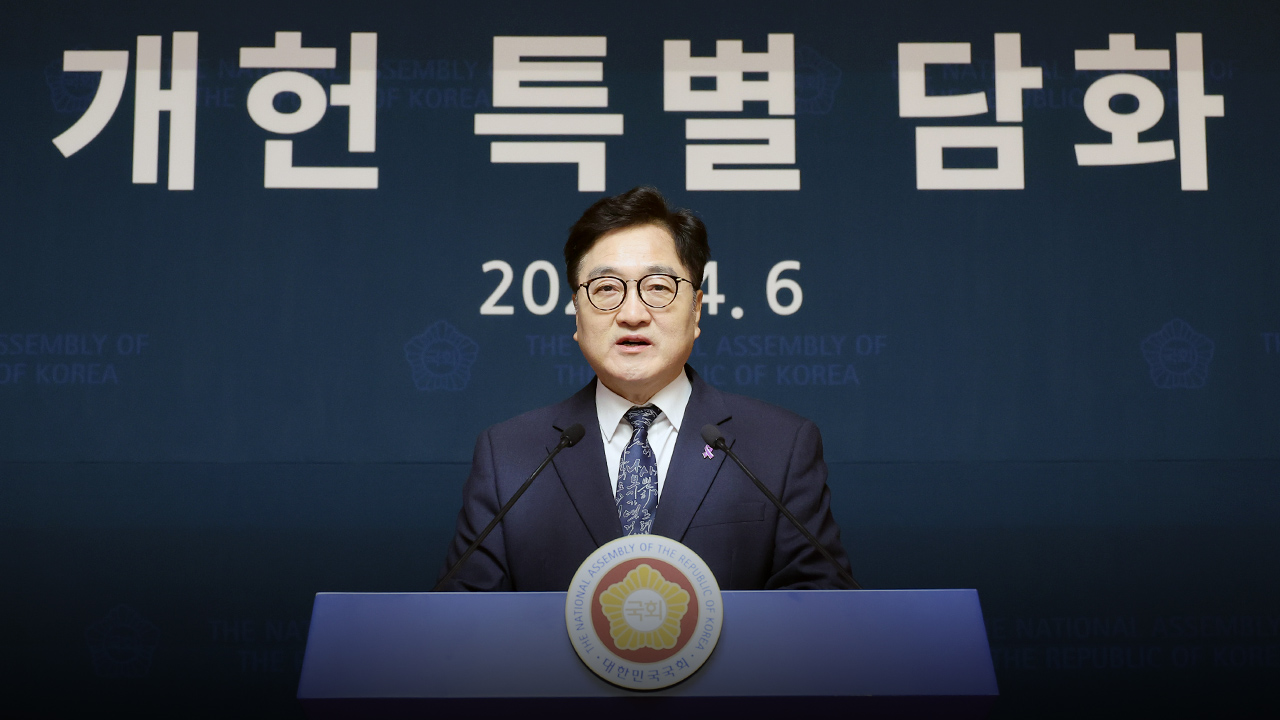
2025년 4월 6일, 우원식 국회의장은 윤석열 전 대통령 탄핵 이후 조기 대선이 확정된 상황에서 대담한 제안을 내놓았습니다. 바로 대통령 선거일에 개헌 국민투표를 동시에 실시하자는 것입니다^2^6. 이는 단순한 정치적 수사가 아닌, 대한민국의 정치 시스템을 근본적으로 바꾸려는 야심찬 계획으로 볼 수 있습니다.
"위헌·불법 비상계엄과 탄핵 정국을 거치면서 그 어느 때보다 개헌의 시급성에 대한 국민적 공감대가 큽니다."^6 우원식 의장의 이 말은 최근 한국 사회가 경험한 정치적 격변이 헌법 개정에 대한 논의를 더욱 촉진했음을 시사합니다.
왜 지금 개헌인가?
우원식 의장은 개헌의 시급성을 여러 측면에서 설명했습니다. 무엇보다 "제왕적 대통령제"와 "승자독식 정치구조"가 극한 정치 갈등의 원인이 되었으며, 이를 바꾸는 것이 국민의 열망이라고 강조했습니다^8. 즉, 권력의 집중을 분산시키고 견제와 균형의 원리가 실질적으로 작동할 수 있는 헌법적 토대를 마련하자는 것입니다.
또한 1987년 개헌 이후 38년이 지나는 동안 한국 사회는 상전벽해와 같은 변화를 겪었지만, 헌법은 이러한 변화를 제대로 반영하지 못했다는 지적도 있습니다^6. 기후위기, 디지털 전환, 저출생, 고령화, 양극화 같은 현대 사회의 구조적 문제들에 대응할 수 있는 새로운 헌법적 기반이 필요하다는 것입니다^7.
개헌의 현실적 장벽과 해결책
그러나 개헌 추진에는 현실적인 장애물들이 존재합니다. 가장 큰 문제는 현행 국민투표법의 헌법불합치 상태입니다^1. 특히 재외국민의 투표권이 제한된 조항에 대해 헌법재판소가 위헌 결정을 내린 상황이므로, 개헌 국민투표를 실시하기 위해서는 먼저 국민투표법을 개정해야 합니다^7.
이에 우원식 의장은 두 가지 제안을 내놓았습니다:
- 국민투표법 개정: 재외국민 투표권 조항을 개정하고, 공직선거와 개헌의 동시 투표가 가능하도록 법적 근거 마련^7
- 국회 헌법개정특별위원회 구성: 신속하게 1차 최소 개헌안을 합의하기 위한 기구 설치^5^9
개헌의 내용과 방향성
구체적인 개헌안에 대해서는 특위에서 논의하는 것이 적절하다는 입장이지만, 우원식 의장은 4년 중임제에 대해 여야 정당들 사이에 공감대가 넓게 형성되어 있다고 언급했습니다^8. 그는 또한 "기한 내에 합의할 수 있는 만큼 하되, 가장 어려운 권력구조 개편은 이번 기회에 꼭 하자"며, 부족한 내용은 내년 지방선거와 함께 2차 개헌으로 추진할 수 있다고 제안했습니다^2^8.
개헌의 역사적 맥락과 현재의 기회
우원식 의장은 제6공화국 출범 이후 여섯 번의 대선마다 주요 후보들이 개헌을 공약했지만, 구체적 절차가 진행된 것은 단 한 차례에 불과했다고 지적했습니다^5. 대통령 임기 초에는 개헌이 국정의 블랙홀이 될까 주저하고, 임기 후반에는 레임덕으로 추진 동력이 사라지는 악순환이 반복되었기 때문입니다^6.
"이 악순환을 반복하지 않으려면, 새 대통령의 임기가 시작되기 전에 물꼬를 터야 합니다."^7 우원식 의장의 이 말은 지금이 개헌의 '적기'라는 인식을 보여줍니다. 특히 탄핵 정국을 거치면서 권력구조 개편의 필요성에 대한 공감대가 형성되었고, 대통령 선거 전에 개헌을 추진함으로써 차기 정부의 권력 구조를 미리 정립할 수 있다는 것입니다.
다양한 시각과 의견
물론 우원식 의장의 개헌 제안에 대한 시각은 다양합니다. 일부에서는 그의 진정성과 개헌의 현실성에 의문을 제기하고 있습니다. 또한 개헌안에 대한 논의가 시작되면 내란 관련 논의는 자연스럽게 사라질 것이라는 우려도 제기되고 있습니다^1.
"개헌이 지금 당장 급한 사안은 아니라고 생각합니다. 시간이 충분히 있으니 천천히 진행하면 좋겠어요."^1 이러한 의견은 개헌보다 더 시급한 현안들이 있다는 인식을 보여줍니다.
개헌, 위기를 기회로 바꾸는 선택이 될까?
우원식 의장은 개헌을 통해 "지난 4개월, 극심한 갈등과 혼란으로 온 국민이 겪은 고초를 대한민국 대전환의 기회로 바꿔내자"고 제안했습니다. 이는 단순한 헌법 조문의 변경을 넘어 한국 민주주의의 질적 도약을 꿈꾸는 비전이라고 볼 수 있습니다.
이 제안이 실제로 현실화될지, 또 어떤 내용의 개헌이 이루어질지는 앞으로의 정치적 논의와 국민적 합의에 달려 있습니다. 분명한 것은 1987년 이후 가장 구체적인 개헌 논의가 시작되었으며, 이는 한국 정치의 새로운 전환점이 될 가능성을 내포하고 있다는 점입니다.
여러분은 개헌에 대해 어떻게 생각하시나요? 38년 만의 개헌이 한국 정치의 새로운 지평을 열 수 있을까요? 아니면 또 다른 정치적 혼란을 가져올까요?
#권력구조개편 #개헌논의 #우원식국회의장 #국민투표법개정 #제왕적대통령제 #승자독식정치 #민주주의개혁 #4년중임제 #헌법개정 #정치개혁 #국민통합 #삼권분립 #정치갈등해소 #헌법개정특위 #대통령선거
A Challenge for a New South Korea: National Assembly Speaker Woo Won-shik's Bold Constitutional Amendment Proposal
A groundbreaking proposal to hold a constitutional amendment referendum alongside the presidential election has been thrown into the political arena. Will this constitutional reform, the first in 38 years, become a reality?
A Movement Towards a New Political Order After the Impeachment Crisis
On April 6, 2025, National Assembly Speaker Woo Won-shik made a bold proposal following the confirmation of an early presidential election after former President Yoon Suk Yeol's impeachment. His suggestion: hold a constitutional amendment referendum simultaneously with the presidential election^2^6. This is not merely political rhetoric but an ambitious plan to fundamentally transform South Korea's political system.
"After going through the unconstitutional martial law and impeachment crisis, there is greater public consensus than ever on the urgency of constitutional amendment,"^6 Speaker Woo's statement suggests that the recent political upheaval in Korean society has accelerated discussions about constitutional reform.
Why Constitutional Reform Now?
Speaker Woo explained the urgency of constitutional reform from various perspectives. Above all, he emphasized that the "imperial presidency" and "winner-takes-all political structure" have been the cause of extreme political conflict, and changing this is the aspiration of the people^8. In other words, he proposes creating a constitutional foundation where power is distributed and the principles of checks and balances can effectively function.
Additionally, there is criticism that while Korean society has undergone tremendous changes in the 38 years since the 1987 constitutional amendment, the constitution has failed to properly reflect these changes^6. A new constitutional basis is needed to address structural problems in modern society such as the climate crisis, digital transformation, low birth rates, aging population, and polarization^7.
Practical Barriers to Constitutional Reform and Solutions
However, there are practical obstacles to pursuing constitutional reform. The biggest issue is the current National Referendum Act's state of constitutional nonconformity^1. In particular, as the Constitutional Court has ruled against provisions restricting overseas Koreans' voting rights, the National Referendum Act must first be amended to conduct a constitutional referendum^7.
In response, Speaker Woo made two proposals:
- Amendment of the National Referendum Act: Revise the provisions on overseas Koreans' voting rights and establish a legal basis for simultaneous public elections and constitutional referendums^7
- Establishment of a Special Committee for Constitutional Amendment in the National Assembly: Create a body to quickly agree on a first minimal constitutional amendment^5^9
Content and Direction of Constitutional Reform
While the position is that it's appropriate to discuss specific constitutional amendment proposals in the special committee, Speaker Woo mentioned that there is broad consensus among ruling and opposition parties regarding a four-year, two-term presidency^8. He also proposed, "Let's do as much as we can agree upon within the time limit, but we must accomplish the most difficult power structure reform this time," adding that insufficient content could be pursued through a second constitutional amendment along with next year's local elections^2^8.
Historical Context of Constitutional Reform and the Current Opportunity
Speaker Woo pointed out that although major candidates in each of the six presidential elections since the establishment of the Sixth Republic promised constitutional amendments, specific procedures were implemented only once^5. This is because presidents hesitate to pursue constitutional reform at the beginning of their terms for fear it will become a "black hole" for state affairs, and by the end of their terms, the driving force for reform vanishes due to the lame-duck effect^6.
"To avoid repeating this vicious cycle, we need to break the ice before the new president's term begins."^7 This statement by Speaker Woo shows his recognition that now is the 'right time' for constitutional reform. In particular, after going through the impeachment crisis, there is a consensus on the need for power structure reform, and by promoting constitutional amendment before the presidential election, the power structure of the next government can be established in advance.
Diverse Perspectives and Opinions
Of course, perspectives on Speaker Woo's constitutional amendment proposal vary. Some question his sincerity and the feasibility of the amendment^1. There are also concerns that once discussions on constitutional amendment begin, discussions related to the rebellion will naturally disappear^1.
"I don't think constitutional amendment is an urgent matter right now. I think it would be better to proceed slowly as there is plenty of time."^1 This opinion shows the perception that there are more urgent issues than constitutional reform.
Will Constitutional Reform Be a Choice That Turns Crisis Into Opportunity?
Speaker Woo proposed using constitutional reform to "turn the hardships experienced by all citizens due to the severe conflict and confusion over the past four months into an opportunity for a great transformation of the Republic of Korea"^6. This can be seen as a vision that goes beyond simply changing constitutional provisions to dream of a qualitative leap in Korean democracy.
Whether this proposal will actually materialize, and what content the constitutional amendment will include, depends on future political discussions and national consensus. What is clear is that the most concrete discussion of constitutional amendment since 1987 has begun, which has the potential to be a new turning point in Korean politics.
What do you think about constitutional reform? Can a constitutional amendment after 38 years open new horizons for Korean politics? Or will it bring another political turmoil?
#PowerStructureReform #ConstitutionalAmendmentDiscussion #NationalAssemblySpeakerWooWonshik #NationalReferendumActAmendment #ImperialPresidency #WinnerTakesAllPolitics #DemocraticReform #FourYearTwoTermSystem #ConstitutionalRevision #PoliticalReform #NationalIntegration #SeparationOfPowers #ResolvingPoliticalConflict #SpecialCommitteeForConstitutionalAmendment #PresidentialElection
#권력구조개편 #개헌논의 #우원식국회의장 #국민투표법개정 #제왕적대통령제 #승자독식정치 #민주주의개혁 #4년중임제 #헌법개정 #정치개혁 #국민통합 #삼권분립 #정치갈등해소 #헌법개정특위 #대통령선거
'이슈' 카테고리의 다른 글
| 오픈프라이머리란? 누구나 참여하는 정당 후보 선출 방식의 모든 것 (0) | 2025.04.06 |
|---|---|
| 좌파 vs 우파: 정치 용어의 진짜 의미와 차이점 완벽 가이드 (0) | 2025.04.06 |
| 이준석 의원, '성공보수 미지급' 소송에서 최종 패소 판결 확정 (0) | 2025.04.06 |
| 탄핵 이후에도 멈추지 않는 정치 행보, 윤석열 전 대통령의 '관저 정치' (0) | 2025.04.06 |
| 국가 위기 속 골프장 방문 논란: 헌재 尹 파면 선고 2시간 뒤 골프장 간 지방 의원들 (0) | 2025.04.06 |


