페토의 역설이라는 흥미로운 과학적 현상을 들어보셨나요? 몸집이 클수록 세포 수가 많고, 세포 수가 많을수록 암에 잘 걸려야 하는데 실제로는 그렇지 않다는 것입니다. 특히 코끼리처럼 거대한 동물이 암에 덜 걸린다는 사실은 과학자들에게 오랫동안 미스터리였습니다. 이 글에서는 최근 연구 결과를 통해 덩치가 큰 동물과 암 발생률의 관계, 그리고 코끼리가 어떻게 암을 이겨내는지에 대한 놀라운 비밀을 함께 살펴보겠습니다.
암의 발생 원인과 메커니즘: 모든 것은 세포에서 시작됩니다
암은 우리 몸의 세포 분열 과정에서 돌연변이가 일어나 비정상적인 세포가 계속 증식하는 질환입니다. 정상적인 상황에서는 손상된 세포가 면역 체계에 의해 자살(세포 사멸)하게 되지만, 이 과정이 제대로 작동하지 않을 때 암세포는 지속적으로 성장하고 심지어 다른 조직으로 전이하게 됩니다. 암의 직접적인 원인은 유전적 요인과 환경적 요인이 복합적으로 작용하여 세포 분열 단계에서 돌연변이를 유발하는 것입니다. 흡연, 음주, 스트레스와 같은 환경적 요인도 암 발생에 중요한 역할을 하는 것으로 알려져 있습니다.
암세포는 일반 세포와 달리 혈관을 생성하여 지속적으로 산소와 영양소를 공급받으며 성장합니다. 이렇게 성장한 암세포는 기존 혈관을 통해 다른 조직으로 퍼질 수 있으며, 이를 '전이'라고 합니다. 전이된 암세포는 새로운 장소에서도 종양을 형성하여 생명을 위협하는 단계로 발전할 수 있습니다. 암의 종류는 성별에 따라 발병 비율이 다르게 나타나는데, 남성은 위암, 폐암, 대장암이 흔한 반면, 여성은 유방암과 갑상선암의 발병률이 높은 것으로 알려져 있습니다.
암의 발생 과정에서 가장 중요한 것은 세포 분열 시 발생하는 오류입니다. 세포 분열의 기회가 많을수록 돌연변이가 발생할 확률이 높아지고, 이로 인해 암 발병 위험도 증가합니다. 미국 존성 키스 대학의 연구에 따르면, 빅데이터 분석을 통해 암 발병률과 세포 분열 오류 간의 상관관계가 확인되었습니다. 이러한 연구 결과는 나이가 들면서 암 발병률이 높아지는 이유를 설명하는데, 이는 시간이 지남에 따라 세포 분열의 횟수가 누적되고 이에 따라 돌연변이의 가능성도 증가하기 때문입니다.
또한 연령대에 따른 암 발병률의 차이도 두드러지게 나타납니다. 30세 이하와 45세 이상 그룹 사이에 유의미한 암 발병률 차이가 발견되었으며, 이는 나이가 많을수록 돌연변이가 누적되는 경향이 있다는 것을 보여줍니다. 하지만 흥미롭게도 스트레스와 암 발병의 관계는 생각보다 복잡하여, 일부 연구에서는 개인적인 스트레스(예: 결혼 여부)가 암 발병과 큰 관련이 없다는 결과도 있습니다.
페토의 역설: 세포 수와 암 발생의 미스터리
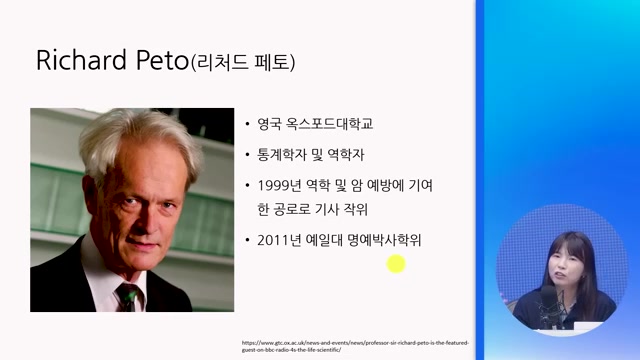
영국의 통계학자 리처드 페토가 제시한 '페토의 역설'은 생물학계에 큰 화제를 불러일으켰습니다. 이 역설은 세포 수가 많은 동물일수록 암에 더 잘 걸려야 할 것 같지만, 실제로는 그렇지 않다는 내용입니다. 예를 들어, 코끼리는 쥐보다 세포 수가 훨씬 많음에도 불구하고, 암 발병률은 크게 다르지 않거나 오히려 낮은 경우가 있습니다. 페토는 영국 출신으로, 1999년과 2011년에 각각 기사를 받고 명예 박사 학위를 받을 정도로 그의 연구는 학계에서 중요하게 평가됩니다.
페토의 역설에 따르면, 세포 수가 1% 발생할 경우, 암 발생률과 빈도는 몸의 크기와 관계없이 동일한 것으로 나타났습니다. 연구에서는 암으로 사망한 동물들의 몸 크기를 비교한 결과, 코끼리와 생쥐, 토끼와 쥐 간의 암 사망률 차이는 별로 없었습니다. 이는 단순히 세포의 수가 많다고 해서 암 발생 확률이 높아지는 것이 아니라는 것을 의미합니다.
그러나 페토의 역설과는 다르게, 영국 남성 공무원 2만 명을 대상으로 한 연구에서는 키와 암 발병률 사이에 양의 상관관계가 발견되었습니다. 즉, 같은 종(인간) 내에서는 덩치가 큰 사람일수록 암에 더 잘 걸리는 경향이 있었습니다. 이러한 결과는 종 내 비교와 종 간 비교에서 차이가 있음을 보여줍니다. 즉, 한 종 내에서는 덩치가 클수록 암 발병률이 높아질 수 있지만, 다른 종과 비교할 때는 그러한 상관관계가 반드시 성립하지 않을 수 있다는 것입니다.
최근 연구에서는 263종의 동물을 통해 몸집이 큰 동물의 암 발생률이 오히려 높은 것으로 나타났습니다. 이는 페토의 역설을 반박하는 결과로, 데이터 분석의 발전으로 과거 연구에서 누락된 정보들이 새롭게 발견되었기 때문일 수 있습니다. 새로운 연구는 양서류, 조류, 포유류, 파충류 등 다양한 그룹을 조사하여 통계적으로 분석을 시행했으며, 그 결과 몸집과 암 발생률 사이에 긍정적인 상관관계가 있다는 결론을 내렸습니다.
코끼리의 비밀: 40개의 종양 억제 유전자
그렇다면 코끼리는 왜 암에 덜 걸릴까요? 연구에 따르면, 코끼리는 40개의 종양 억제 유전자를 보유하고 있어 암 발병률이 5% 미만으로 낮다고 합니다. 이에 비해 인간은 기본적으로 두 개의 종양 억제 유전자만을 가지고 있습니다. 만약 인간의 종양 억제 유전자 중 하나가 비정상이 되면 암에 걸릴 확률이 크게 증가하지만, 코끼리는 40개나 되는 유전자가 있어 몇 개가 손상되더라도 나머지가 계속 기능할 수 있습니다.
코끼리는 진화 과정에서 몸집이 커지면서 암을 억제하는 유전자의 수와 활성이 증가한 것으로 추정됩니다. 이들은 비정상 세포를 스스로 사멸시키는 능력이 향상되어 있어, 암세포가 발생하더라도 효율적으로 제거할 수 있습니다. 코끼리는 건강하게 오래 살며, 다른 동물에 비해 암 발병률이 현저히 낮다는 점은 이러한 유전자 시스템의 효율성을 보여줍니다.
코끼리가 세포 수가 많음에도 불구하고 암 발생률이 낮은 이유는 강력한 세포 사멸 시스템이 발달해 있기 때문입니다. 코끼리는 예측에 따르면 몸집이 큰 만큼 암 발병률이 80%에 달해야 하지만, 실제로는 그렇지 않습니다. 이는 코끼리가 암에 대한 특별한 방어 기전을 가지고 있음을 시사합니다.
이러한 코끼리의 암 억제 메커니즘은 인간의 암 연구에 중요한 통찰을 제공할 수 있습니다. 코끼리의 피에서 발견되는 성분이 암 연구에 도움이 될 가능성이 있으며, 유전자 편집 기술을 통해 코끼리의 종양 억제 유전자를 인체 세포에 삽입하는 방법도 연구되고 있습니다. 하지만 생명체의 시스템이 복합적으로 얽혀 있어 단순히 유전자를 이식하는 것만으로는 해결되지 않을 수 있으며, 예상치 못한 부작용이 발생할 우려도 있습니다.
암 연구의 새로운 가능성: 코끼리에게 배우는 암 예방
코끼리 연구를 통해 우리는 암을 통제할 수 있는 새로운 메커니즘을 발견할 가능성이 있습니다. 퇴화된 유전자인 '좀비 유전자'가 암 통제에 영향을 미칠 수 있으며, 코끼리에게서 그 역할을 찾을 가능성도 제기되고 있습니다. 인간이 진화하는 과정에서 새로운 암 통제 시스템이 발달할 수 있지만, 코끼리의 연구를 통해 그 과정을 앞당길 수 있을지도 모릅니다.
코끼리와 벌거숭이 두더지와 같은 동물의 연구는 암에 대한 중요한 정보를 제공합니다. 벌거숭이 두더지도 특이하게 암에 잘 걸리지 않는 동물 중 하나로, 이들의 생리적 특징이 암 예방에 도움이 될 가능성이 있습니다. 이러한 연구 결과는 페토의 역설에 대한 재고를 요구하며, 암 연구에서 코끼리와 같은 대형 동물의 중요성을 강조합니다.
안타깝게도 코끼리는 밀렵과 인간의 활동으로 인해 멸종 위기에 처해 있습니다. 이로 인해 암보다 더 쉽게 죽음에 이르는 상황이 발생하고 있습니다. 코끼리는 오랜 세월 동안 암으로부터 생존하기 위한 진화적 메커니즘을 발전시켜 왔으나, 인간의 활동으로 인해 그 생존이 위협받고 있습니다. 코끼리 보호를 위한 노력은 단순히 한 종을 보존하는 것을 넘어, 인류의 암 연구에도 중요한 의미를 가집니다.
연구에 따르면 암 발생은 어느 정도 랜덤한 오류와 관련이 있으며, 유전적 요인과 환경적 요인의 영향을 배제하더라도 무작위 돌연변이로 인해 발생할 가능성이 높다는 결론이 제시됩니다. 이는 암 발병이 때로는 운명적으로 다가올 수 있으며, 개인의 행동으로 인해 암에 걸렸다고 자책할 필요는 없다는 점을 시사합니다.
결론: 생명의 신비와 과학적 도전
코끼리와 암의 관계에 대한 연구는 생명의 신비를 밝혀내는 흥미로운 여정입니다. 페토의 역설을 통해 우리는 단순히 세포의 수만으로는 암 발생 확률을 예측할 수 없다는 것을 배우게 되었습니다. 코끼리의 40개 종양 억제 유전자는 자연이 어떻게 큰 동물들을 암으로부터 보호하기 위한 메커니즘을 발전시켰는지 보여주는 놀라운 예입니다.
최근의 연구 결과는 몸집이 큰 동물이 암 발생률이 높을 수 있다는 반대 증거를 제시하며, 우리의 이해를 계속해서 도전하고 있습니다. 이는 과학이 항상 진보하며 기존의 이론을 검증하고 발전시켜 나가는 방식을 보여줍니다. 코끼리의 암 억제 시스템에 대한 연구는 인간의 암 치료와 예방에 새로운 통찰력을 제공할 수 있으며, 이는 암 연구의 미래에 중요한 역할을 할 것입니다.
우리는 코끼리의 독특한 생리 시스템을 연구함으로써 인간의 건강과 수명을 향상시킬 수 있는 새로운 방법을 발견할 수 있을까요? 인간의 유전자 조작 기술이 발전함에 따라, 코끼리의 암 억제 유전자를 활용한 치료법이 현실이 될 수 있을까요? 이러한 질문들은 미래 연구의 방향을 제시하며, 과학자들이 계속해서 암의 비밀을 밝혀내는 여정을 이끌 것입니다.
코끼리와 암의 관계에 대한 연구는 단순한 호기심을 넘어, 인류의 건강과 생존에 직결된 중요한 과제입니다. 우리가 자연에서 배울 수 있는 교훈은 무궁무진하며, 코끼리의 비밀을 풀어내는 과정에서 우리는 암이라는 인류의 오랜 적과 싸우는 새로운 무기를 발견할 수 있을 것입니다.
덩치가 큰 사람이 암에 정말 잘 걸릴까요? (안주현 박사/중동고등학교 과학교사)
본 영상은 **덩치가 큰 사람이 암에 더 잘 걸리는지**에 대한 과학적 논쟁을 다룹니다. 과거에는 '페토의 역설'을 통해 몸집이 큰 동물이 암에 덜 걸린다는 주장이 있었지만, 최근 연구는 **더 많
lilys.ai
The Mystery of Elephants and Cancer: Why Don't Large Animals Get Cancer More Often?
Have you heard of the intriguing scientific phenomenon called Peto's Paradox? It suggests that larger animals with more cells should theoretically have higher cancer rates, but in reality, they don't. The fact that enormous animals like elephants are less prone to cancer has been a mystery to scientists for a long time. In this article, we'll explore recent research findings about the relationship between animal size and cancer rates, and discover the amazing secrets of how elephants overcome cancer.
The Causes and Mechanisms of Cancer: Everything Starts with Cells
Cancer is a disease that occurs when mutations in cell division cause abnormal cells to continuously proliferate. Under normal circumstances, damaged cells undergo suicide (apoptosis) by the immune system, but when this process doesn't function properly, cancer cells continue to grow and even metastasize to other tissues. The direct causes of cancer involve a complex interaction of genetic and environmental factors that induce mutations during cell division. Environmental factors such as smoking, alcohol consumption, and stress are also known to play important roles in cancer development.
Unlike normal cells, cancer cells create blood vessels to continuously supply oxygen and nutrients for growth. These growing cancer cells can spread to other tissues through existing blood vessels, a process called 'metastasis.' Metastasized cancer cells can form tumors in new locations, advancing to life-threatening stages. Cancer types show different incidence rates by gender, with men commonly developing stomach, lung, and colorectal cancers, while women have higher rates of breast and thyroid cancers.
The most crucial factor in cancer development is errors during cell division. The more opportunities for cell division, the higher the probability of mutations, thus increasing the risk of cancer. According to research from Johns Hopkins University, big data analysis confirmed a correlation between cancer incidence rates and cell division errors. These findings explain why cancer rates increase with age, as the number of cell divisions accumulates over time, increasing the possibility of mutations.
There are also notable differences in cancer incidence rates across age groups. Significant differences were found between groups under 30 years old and those over 45, showing that mutations tend to accumulate with age. Interestingly, the relationship between stress and cancer development is more complex than expected, with some studies suggesting that personal stress (e.g., marital status) may not be strongly related to cancer development.
Peto's Paradox: The Mystery of Cell Numbers and Cancer Development
The 'Peto's Paradox,' proposed by British statistician Richard Peto, created a significant buzz in the biological community. This paradox suggests that animals with more cells should be more prone to cancer, but in reality, that's not the case. For example, elephants have far more cells than mice, yet their cancer rates are not significantly different or are even lower in some cases. Peto, who is British, received knighthood in 1999 and an honorary doctorate in 2011, indicating the importance of his research in the academic world.
According to Peto's Paradox, if 1% of cells develop cancer, the incidence rate and frequency of cancer appear to be the same regardless of body size. Research comparing the body sizes of animals that died of cancer found little difference in cancer mortality rates between elephants and mice, or rabbits and rats. This means that simply having more cells doesn't necessarily increase the probability of cancer occurrence.
However, contrary to Peto's Paradox, a study of 20,000 British male civil servants found a positive correlation between height and cancer incidence. This means that within the same species (humans), larger individuals tend to be more prone to cancer. These results show differences between intra-species and inter-species comparisons. In other words, within a species, larger individuals may have higher cancer rates, but when comparing different species, such correlations may not necessarily hold.
Recent research involving 263 animal species has shown that larger animals may actually have higher cancer rates. This contradicts Peto's Paradox and may be due to advancements in data analysis revealing information that was missing in previous studies. The new research surveyed various groups including amphibians, birds, mammals, and reptiles, statistically analyzing them and concluding that there is a positive correlation between body size and cancer incidence.
The Secret of Elephants: 40 Tumor Suppressor Genes
So why are elephants less prone to cancer? According to research, elephants possess 40 tumor suppressor genes, resulting in a cancer incidence rate of less than 5%. In comparison, humans have only two basic tumor suppressor genes. If one of these genes becomes abnormal in humans, the risk of cancer increases significantly, but elephants have 40 genes, so even if a few are damaged, the rest can continue to function.
It is estimated that elephants increased the number and activity of cancer-suppressing genes as they evolved to have larger bodies. They have enhanced abilities to self-destruct abnormal cells, allowing them to efficiently remove cancer cells even if they develop. Elephants live long, healthy lives, and their significantly lower cancer rates compared to other animals demonstrate the efficiency of this genetic system.
The reason elephants have low cancer rates despite having many cells is due to their well-developed cell death system. According to predictions, elephants should have an 80% cancer rate due to their size, but in reality, they don't. This suggests that elephants have special defense mechanisms against cancer.
These cancer suppression mechanisms in elephants could provide important insights for human cancer research. Components found in elephant blood may help cancer research, and methods to insert elephant tumor suppressor genes into human cells using gene editing technology are being studied. However, because biological systems are complexly intertwined, simply transplanting genes may not solve the problem, and there are concerns about unexpected side effects.
New Possibilities in Cancer Research: Learning Cancer Prevention from Elephants
Through elephant research, we may discover new mechanisms to control cancer. 'Zombie genes,' which are degenerated genes, may influence cancer control, and there's a possibility of finding their role in elephants. While humans may develop new cancer control systems through evolution, elephant research might accelerate this process.
Studies of animals like elephants and naked mole rats provide important information about cancer. Naked mole rats are also uniquely resistant to cancer, and their physiological characteristics may help with cancer prevention. These findings require reconsideration of Peto's Paradox and emphasize the importance of large animals like elephants in cancer research.
Unfortunately, elephants are endangered due to poaching and human activities. This leads to situations where they die more easily from these causes than from cancer. Elephants have developed evolutionary mechanisms to survive cancer over a long period, but their survival is threatened by human activities. Efforts to protect elephants go beyond preserving a species; they have significant implications for human cancer research.
According to research, cancer development is somewhat related to random errors, and there's a high possibility of it occurring due to random mutations even when excluding genetic and environmental factors. This suggests that cancer development can sometimes be fatalistic, and there's no need to blame oneself for getting cancer due to personal behaviors.
Conclusion: The Mystery of Life and Scientific Challenges
Research on the relationship between elephants and cancer is an interesting journey to uncover the mysteries of life. Through Peto's Paradox, we learn that we cannot predict the probability of cancer occurrence simply by the number of cells. The 40 tumor suppressor genes in elephants are an amazing example of how nature has developed mechanisms to protect large animals from cancer.
Recent research results present contradictory evidence that larger animals may have higher cancer rates, continuously challenging our understanding. This shows how science always progresses by testing and developing existing theories. Research on elephant cancer suppression systems can provide new insights into human cancer treatment and prevention, playing an important role in the future of cancer research.
Can we discover new methods to improve human health and lifespan by studying elephants' unique physiological systems? As human gene manipulation technology advances, could treatments utilizing elephant cancer suppressor genes become a reality? These questions guide the direction of future research and will lead scientists on a journey to continue uncovering the secrets of cancer.
Research on the relationship between elephants and cancer is an important task directly related to human health and survival, beyond simple curiosity. The lessons we can learn from nature are limitless, and in the process of unraveling elephants' secrets, we may discover new weapons to fight cancer, humanity's long-standing enemy.
#암연구 #코끼리 #과학 #페토의역설 #암예방 #생물학 #유전자 #건강 #의학 #동물연구
#CancerResearch #Elephants #Science #PetosParadox #CancerPrevention #Biology #Genetics #Health #Medicine #AnimalResearch
'생활정보 > 건강' 카테고리의 다른 글
| 잠 못 드는 당신이 꼭 알아야 할 수면의 놀라운 비밀 🌙✨ (0) | 2025.03.12 |
|---|---|
| 당신의 수면, 건강을 좌우하는 열쇠! (0) | 2025.03.10 |
| 건강검진의 진실: 전문가가 알려주는 꼭 필요한 검사와 피해야 할 검사 (3) | 2025.03.09 |
| 🍎 베이킹 소다로 과일 씻으면 정말 농약이 사라질까? 우리가 몰랐던 진실! (0) | 2025.03.09 |
| 척추 협착증, 약물 없이 건강한 허리 만들기: 생활 습관이 답이다! (2) | 2025.03.08 |


