엔비디아가 차세대 AI 기술로 주목하는 '월드 모델'은 젠슨 황이 자율주행에 '올인'하는 핵심 이유입니다. 기존 언어 모델(LLM)의 한계를 뛰어넘어 세상을 이해하는 AI를 구축하기 위한 엔비디아의 야심찬 계획과 이를 둘러싼 기술적, 윤리적 논쟁을 심층적으로 살펴봅니다.
엔비디아가 선택한 '차세대 AI'... 젠슨 황이 자율주행 올인을 선택한 이유 / 오그랲 / 비디오머그
이 영상은 엔비디아가 **차세대 AI**로 주목하는 '월드 모델'에 대한 심층 분석을 제공합니다. 젠슨 황이 자율주행에 '올인'하는 이유와 배경을 다섯 가지 그래프를 통해 설명하며, AI 학습 방식의
lilys.ai
엔비디아의 미래 비전과 월드 모델의 등장
우리는 지금 인공지능 기술의 대전환기에 서 있습니다. 채팅GPT와 같은 대규모 언어 모델(LLM)이 세상을 놀라게 했지만, 엔비디아의 CEO 젠슨 황은 이미 그 너머를 내다보고 있습니다. 엔비디아는 최근 GTC 행사에서 AI의 미래 방향성을 제시하며 '월드 모델'이라는 새로운 패러다임을 강조했습니다. 이는 단순히 텍스트를 생성하는 것을 넘어 세상의 작동 방식을 이해하고 예측하는 AI를 구축하려는 야심찬 계획입니다.
젠슨 황이 자율주행 기술에 과감히 투자하는 이유도 바로 여기에 있습니다. 자율주행은 단순한 명령 수행이 아닌 실시간으로 세상을 관찰하고, 이해하며, 예측하는 능력이 필요한 분야입니다. 현재의 언어 모델만으로는 이런 복잡한 과제를 해결하기 어렵습니다. 월드 모델은 이러한 한계를 극복하고 AI가 세상과 더 깊이 상호작용할 수 있는 길을 열어줄 것입니다.
"언어만으로는 세상을 완전히 이해할 수 없다"는 사실은 AI 연구자들 사이에서 점점 더 명확해지고 있습니다. 인간이 언어를 배우기 전에 보고, 듣고, 만지며 세상을 이해하듯이, AI도 다양한 감각을 통해 세상을 배워야 한다는 관점이 대두되고 있습니다.

딥러닝의 여정과 엔비디아의 기술적 혁신
현대 AI의 혁명은 2006년 페이페이 리가 시작한 이미지넷 프로젝트와 함께 시작되었다고 해도 과언이 아닙니다. 이 프로젝트는 컴퓨터가 이미지를 인식하고 분류할 수 있도록 대규모 데이터셋을 제공했습니다. 컴퓨터 비전의 발전에 크게 기여한 이 데이터베이스는 후에 AI 혁명의 초석이 되었습니다.
2012년은 AI 역사에서 중요한 전환점이었습니다. 제프리 힌턴이 이끄는 슈퍼비전 팀은 이미지넷 대회에서 15.3%라는 놀라운 오답률을 기록했습니다. 이전 기록보다 10% 이상 향상된 이 결과는 엔비디아의 GPU와 CUDA 기술을 활용한 딥러닝의 잠재력을 세상에 알리는 계기가 되었습니다.
"GPU가 없었다면 딥러닝 혁명은 일어나지 않았을 것입니다. 엔비디아의 기술이 AI의 역사를 바꾸었습니다." 이는 많은 AI 연구자들이 공통적으로 인정하는 사실입니다. 엔비디아는 단순한 그래픽 카드 제조업체에서 AI 혁명의 중심에 선 기업으로 변모했고, 이제는 월드 모델이라는 새로운 혁신을 이끌고 있습니다.
딥러닝의 발전은 지난 10년간 놀라운 속도로 이루어졌으며, 이 과정에서 엔비디아의 GPU는 복잡한 신경망 훈련을 가능하게 하는 핵심 역할을 해왔습니다. 게임을 위한 그래픽 처리에서 시작된 기술이 이제는 세상을 이해하는 AI를 만드는 데까지 발전한 것입니다.
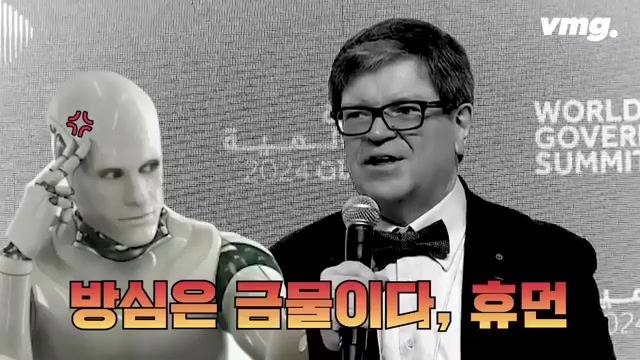
AI 거장들의 상반된 미래 전망
AI 분야의 세 거장, 제프리 힌턴, 얀 르쿤, 요슈아 벤지오는 2018년 튜링상을 공동 수상하며 딥러닝 연구의 선구자로 인정받았습니다. 이들은 협력과 경쟁을 통해 AI 기술 발전을 이끌어왔지만, AI의 미래에 대한 전망은 상당히 다릅니다.
제프리 힌턴은 2023년 구글을 떠나며 AI가 인간의 통제권을 빼앗을 위험성에 대해 경고했습니다. "AI 기술 발전 속도가 느려질 것"이라는 입장과 함께, 그는 AI의 위험성에 대한 우려를 공개적으로 표명했습니다. 이러한 경고는 전 세계적인 주목을 받았고, AI 안전에 대한 논의를 활성화하는 계기가 되었습니다.
반면, 얀 르쿤과 페이페이 리는 훨씬 낙관적인 견해를 가지고 있습니다. 이들은 "AI를 잘 활용하면 인류에게 긍정적인 결과를 가져올 수 있다"고 주장하며, 기술의 발전을 억제하기보다는 올바른 방향으로 발전시키는 것이 중요하다고 강조합니다.
특히 얀 르쿤은 현재의 대규모 언어 모델(LLM)이 인간 수준의 AI를 구현하는 데 한계가 있다고 지적합니다. "언어만으로는 세상을 완전히 이해할 수 없습니다. 인간의 지식 대부분은 비언어적 형태로 존재합니다." 그의 이런 관점은 월드 모델의 필요성을 더욱 부각시킵니다.
이러한 전문가들의 상반된 견해는 AI 기술의 미래 방향을 설정하는 데 중요한 논의를 불러일으키고 있으며, 엔비디아의 월드 모델 전략은 이러한 논쟁의 한가운데에 서 있습니다.

월드 모델: LLM의 한계를 뛰어넘는 새로운 패러다임
인간의 시각 정보 처리량은 약 152조 바이트에 달하는데, 이는 텍스트 데이터 기반의 LLM이 처리할 수 있는 양보다 무려 50배나 많은 수치입니다. 이 엄청난 차이는 왜 언어 모델만으로는 인간 수준의 지능을 구현하기 어려운지를 단적으로 보여줍니다.
얀 르쿤은 "AI가 인간 수준이 되기 위해서는 언어를 넘어 세상의 작동 방식을 배우는 것이 필요하다"고 주장합니다. 이것이 바로 '월드 모델'의 핵심 개념입니다. 월드 모델은 AI가 가상 환경에서 다양한 경험을 통해 세상의 물리 법칙과 인과 관계를 학습할 수 있게 해주는 접근 방식입니다.
생각해보면 인간도 어릴 때부터 물건을 떨어뜨려보고, 만져보고, 상호작용하면서 세상의 기본 원리를 학습합니다. 글을 읽고 쓰기 전에 이미 중력, 관성, 인과관계 같은 개념을 경험을 통해 이해하게 되죠. 월드 모델은 AI에게도 이러한 경험 기반 학습을 가능하게 하려는 시도입니다.
페이페이 리가 설립한 월드랩스는 이러한 개념을 적용해 3D 환경을 구축하고, 이를 자율주행 로봇과 AR/VR 기술에 활용하고자 합니다. 이 회사의 비전은 "AI가 세상을 이해하고 상호작용할 수 있는 능력을 갖추게 하는 것"입니다.
엔비디아의 GPU는 이러한 월드 모델 학습에 필수적인 요소입니다. 기존의 텍스트 기반 모델보다 훨씬 더 많은 계산 능력이 필요하기 때문에, 엔비디아의 강력한 GPU 인프라는 월드 모델 개발의 핵심 기반이 됩니다.

코스모스 플랫폼: 자율주행의 혁명적 변화를 이끌다
엔비디아의 코스모스 플랫폼은 월드 모델 개발을 위한 획기적인 도구입니다. 이 플랫폼은 사용자가 쉽게 가상 세계를 생성하고 조작할 수 있게 해주며, 단순한 문장이나 이미지만으로도 복잡한 3D 환경을 구축할 수 있습니다.
코스모스의 가장 큰 특징은 물리 법칙이 적용된 현실적인 시뮬레이션이 가능하다는 점입니다. 물체가 떨어지면 중력의 영향을 받고, 충돌하면 적절한 반응이 일어납니다. 이러한 현실적인 시뮬레이션은 자율주행 AI의 학습과 테스트에 혁명적인 변화를 가져올 것입니다.
실제 도로에서 자율주행차를 테스트하는 것은 비용도 많이 들고 위험한 일입니다. 폭우, 폭설, 도로 공사, 갑작스러운 보행자의 등장 등 다양한 위험 상황을 모두 실제로 테스트하기는 불가능에 가깝습니다. 하지만 코스모스 플랫폼을 이용하면 이러한 상황을 안전하게 시뮬레이션하고, 자율주행 시스템이 적절하게 대응하도록 학습시킬 수 있습니다.
"우리는 한 번의 사고도 용납할 수 없습니다. 그래서 실제 도로에서의 테스트 전에 가상 환경에서 철저히 검증해야 합니다." 이는 자율주행 기술 개발자들의 공통된 생각입니다. 코스모스 플랫폼은 이러한 요구를 충족시키며, 자율주행 기술의 발전 속도를 크게 가속화할 것입니다.
엔비디아는 최근 GM과의 파트너십을 통해 자율주행 기술뿐만 아니라 공장 자동화 및 로봇 개발에도 협력할 계획을 발표했습니다. 이는 월드 모델의 응용 범위가 자율주행을 넘어 다양한 산업 분야로 확장될 수 있음을 보여줍니다.
데이터 윤리와 저작권 논란: AI 발전의 어두운 그림자
코스모스 모델의 개발에는 무려 2천만 시간 분량의 동영상이 학습 데이터로 사용되었습니다. 이는 2,283.1년에 해당하는 엄청난 양으로, 기원전 258년부터 현재까지의 시간과 맞먹습니다. 이 방대한 데이터의 20%는 자연의 물리 법칙을 학습하기 위한 영상들로 구성되어 있습니다.
하지만 이러한 데이터 수집 과정에서 저작권 침해 의혹이 제기되었습니다. 엔비디아가 유튜브와 넷플릭스의 영상을 무단으로 크롤링했다는 보도가 나왔고, 이는 AI 기술 발전과 저작권 보호 사이의 갈등을 다시 한번 부각시켰습니다.
미국의 빅테크 기업들은 "저작권법이 AI 발전의 장애물"이라고 주장하며, 자신들의 필요에 따라 법적 규제를 완화해달라고 요청하고 있습니다. 이들의 논리는 "AI의 발전이 더 큰 사회적 가치를 창출한다"는 것이지만, 창작자들의 권리 보호도 간과할 수 없는 중요한 문제입니다.
이러한 논란은 AI 기술 발전과 함께 계속될 것으로 보입니다. 기술의 발전과 사회적 가치, 개인의 권리 사이에서 적절한 균형을 찾는 것이 앞으로의 과제가 될 것입니다.
결론: 월드 모델이 그리는 미래의 청사진
엔비디아의 월드 모델 전략은 AI 기술의 새로운 지평을 열고 있습니다. 언어에 국한되지 않고 세상을 이해하고 상호작용할 수 있는 AI의 등장은 자율주행, 로봇공학, AR/VR 등 다양한 분야에 혁신을 가져올 것입니다.
자율주행 기술은 월드 모델의 발전으로 가장 큰 혜택을 받을 것으로 예상됩니다. 가상 환경에서의 철저한 테스트와 학습을 통해 더 안전하고 신뢰할 수 있는 자율주행 시스템이 개발될 것이며, 이는 궁극적으로 교통사고 감소와 이동의 효율성 증가로 이어질 것입니다.
하지만 이러한 발전 과정에서 데이터 윤리와 저작권 문제는 계속해서 논쟁거리가 될 것입니다. 기술의 발전과 사회적 가치, 개인의 권리 사이의 균형을 찾는 것이 중요한 과제로 남을 것입니다.
엔비디아의 월드 모델은 단순한 기술적 혁신을 넘어, AI가 어떻게 세상을 이해하고 상호작용할 수 있는지에 대한 새로운 패러다임을 제시합니다. 이는 "AI가 인간처럼 세상을 이해할 수 있을까?"라는 오랜 질문에 한 걸음 더 가까이 다가가는 여정이라고 할 수 있습니다.
여러분은 AI가 세상을 어떻게 이해하고 학습해야 한다고 생각하시나요? 언어만으로 충분할까요, 아니면 더 다양한 경험이 필요할까요? 월드 모델의 발전이 가져올 미래에 대해 함께 고민해보는 시간이 되길 바랍니다.
NVIDIA's Innovation Strategy: World Models Opening a New Era of Autonomous Driving and AI
The 'World Model,' which NVIDIA is focusing on as the next generation AI technology, is the key reason why Jensen Huang is 'all-in' on autonomous driving. We take an in-depth look at NVIDIA's ambitious plan to build AI that understands the world beyond the limitations of existing language models (LLMs), and the technical and ethical debates surrounding it.
NVIDIA's Future Vision and the Emergence of World Models
We are now at a turning point in artificial intelligence technology. While large language models (LLMs) like ChatGPT have amazed the world, NVIDIA's CEO Jensen Huang is already looking beyond. NVIDIA recently highlighted a new paradigm called 'World Models' at its GTC event, presenting the future direction of AI. This is an ambitious plan to build AI that understands and predicts how the world works, going beyond simply generating text.
This is precisely why Jensen Huang is boldly investing in autonomous driving technology. Autonomous driving requires the ability to observe, understand, and predict the world in real-time, not just execute simple commands. Current language models alone are insufficient to solve such complex tasks. World Models will open the way for AI to interact more deeply with the world by overcoming these limitations.
The fact that "language alone cannot fully understand the world" is becoming increasingly clear among AI researchers. Just as humans understand the world by seeing, hearing, and touching before learning language, the view that AI should also learn about the world through various senses is emerging.
The Journey of Deep Learning and NVIDIA's Technical Innovation
It's no exaggeration to say that the modern AI revolution began with the ImageNet project started by Fei-Fei Li in 2006. This project provided a large-scale dataset for computers to recognize and classify images. This database, which greatly contributed to the development of computer vision, later became the cornerstone of the AI revolution.
2012 was a crucial turning point in AI history. The SuperVision team led by Geoffrey Hinton recorded a surprising error rate of 15.3% in the ImageNet competition. This result, more than 10% improved over the previous record, became an opportunity to showcase the potential of deep learning utilizing NVIDIA's GPU and CUDA technology to the world.
"Without GPUs, the deep learning revolution would not have happened. NVIDIA's technology changed the history of AI." This is a fact commonly acknowledged by many AI researchers. NVIDIA has transformed from a simple graphics card manufacturer to a company at the center of the AI revolution, and is now leading a new innovation called World Models.
The development of deep learning has occurred at an amazing pace over the past decade, and NVIDIA's GPUs have played a key role in enabling the training of complex neural networks. Technology that started with graphics processing for games has now evolved to create AI that understands the world.
Contrasting Future Outlooks from AI Giants
The three giants in the AI field, Geoffrey Hinton, Yann LeCun, and Yoshua Bengio, were recognized as pioneers in deep learning research when they jointly received the Turing Award in 2018. While they have led the advancement of AI technology through collaboration and competition, their outlooks on the future of AI differ considerably.
Geoffrey Hinton warned about the risk of AI taking control from humans when he left Google in 2023. Along with his position that "the pace of AI technology development will slow down," he publicly expressed concerns about the dangers of AI. This warning received worldwide attention and became a catalyst for activating discussions on AI safety.
In contrast, Yann LeCun and Fei-Fei Li have much more optimistic views. They argue that "AI can bring positive results to humanity if well utilized," emphasizing that it is important to develop technology in the right direction rather than suppress its advancement.
In particular, Yann LeCun points out that current large language models (LLMs) have limitations in implementing human-level AI. "Language alone cannot fully understand the world. Most human knowledge exists in non-linguistic forms." This perspective further highlights the need for World Models.
These contrasting views from experts are sparking important discussions in determining the future direction of AI technology, and NVIDIA's World Model strategy stands at the center of this debate.
World Models: A New Paradigm Surpassing the Limitations of LLMs
The human visual information processing capacity is about 152 trillion bytes, which is a staggering 50 times more than what text data-based LLMs can process. This enormous difference clearly shows why language models alone are difficult to implement human-level intelligence.
Yann LeCun argues that "for AI to reach human level, it needs to learn how the world works beyond language." This is the core concept of 'World Models.' World Models are an approach that allows AI to learn the physical laws and causal relationships of the world through various experiences in a virtual environment.
When you think about it, humans also learn the basic principles of the world by dropping, touching, and interacting with objects from childhood. Before reading and writing, we already understand concepts like gravity, inertia, and causality through experience. World Models are an attempt to enable such experience-based learning for AI as well.
WorldLabs, founded by Fei-Fei Li, aims to apply this concept to build 3D environments and utilize them in autonomous driving robots and AR/VR technology. The company's vision is "to equip AI with the ability to understand and interact with the world."
NVIDIA's GPUs are an essential element for learning such World Models. Because much more computational power is required than for existing text-based models, NVIDIA's powerful GPU infrastructure becomes the core foundation for World Model development.
The Cosmos Platform: Leading Revolutionary Changes in Autonomous Driving
NVIDIA's Cosmos platform is a groundbreaking tool for World Model development. This platform allows users to easily create and manipulate virtual worlds, building complex 3D environments with just simple sentences or images.
The biggest feature of Cosmos is that realistic simulations with physical laws applied are possible. Objects fall under the influence of gravity and respond appropriately when they collide. Such realistic simulations will bring revolutionary changes to the learning and testing of autonomous driving AI.
Testing autonomous vehicles on actual roads is costly and dangerous. It is nearly impossible to test all various dangerous situations such as heavy rain, heavy snow, road construction, and sudden appearances of pedestrians in reality. However, using the Cosmos platform, these situations can be safely simulated, and autonomous driving systems can be trained to respond appropriately.
"We cannot tolerate a single accident. That's why we need to thoroughly verify in a virtual environment before testing on actual roads." This is a common thought among autonomous driving technology developers. The Cosmos platform fulfills these requirements and will greatly accelerate the pace of autonomous driving technology development.
NVIDIA recently announced plans to collaborate on factory automation and robot development as well as autonomous driving technology through a partnership with GM. This shows that the application range of World Models can extend to various industrial fields beyond autonomous driving.
Data Ethics and Copyright Controversy: The Dark Shadow of AI Development
A staggering 20 million hours of video were used as training data for the development of the Cosmos model. This enormous amount corresponds to 2,283.1 years, equivalent to the time from 258 BC to the present. 20% of this vast data consists of videos for learning the physical laws of nature.
However, allegations of copyright infringement have been raised in this data collection process. Reports emerged that NVIDIA had unauthorized crawling of YouTube and Netflix videos, once again highlighting the conflict between AI technology development and copyright protection.
Big tech companies in the US are arguing that "copyright law is a barrier to AI development" and requesting relaxation of legal regulations according to their needs. Their logic is that "the development of AI creates greater social value," but protecting the rights of creators is also an important issue that cannot be overlooked.
These controversies are expected to continue with the advancement of AI technology. Finding an appropriate balance between technological advancement, social value, and individual rights will be a challenge for the future.
Conclusion: The Blueprint for the Future Drawn by World Models
NVIDIA's World Model strategy is opening new horizons for AI technology. The emergence of AI that can understand and interact with the world, not limited to language, will bring innovation to various fields such as autonomous driving, robotics, and AR/VR.
Autonomous driving technology is expected to benefit the most from the development of World Models. More safe and reliable autonomous driving systems will be developed through thorough testing and learning in virtual environments, which will ultimately lead to a reduction in traffic accidents and an increase in mobility efficiency.
However, data ethics and copyright issues will continue to be controversial in this development process. Finding a balance between technological advancement, social value, and individual rights will remain an important challenge.
NVIDIA's World Models present a new paradigm for how AI can understand and interact with the world beyond mere technological innovation. This can be said to be a journey that takes one step closer to the long-standing question, "Can AI understand the world like humans?"
How do you think AI should understand and learn about the world? Is language alone sufficient, or are more diverse experiences needed? I hope this becomes a time to think together about the future that the development of World Models will bring.
#AI혁신 #엔비디아 #월드모델 #자율주행 #딥러닝 #젠슨황 #얀르쿤 #페이페이리 #코스모스플랫폼 #AI윤리 #저작권논란 #인공지능발전 #GPU기술 #기술혁신 #미래기술
'이슈 > AI' 카테고리의 다른 글
| 챗GPT 지브리 마법에 빠져보세요: 당신만의 스튜디오 지브리 아트 만들기 (0) | 2025.03.30 |
|---|---|
| 지브리 풍 AI 이미지 열풍, 창작의 자유인가 저작권 침해인가? (1) | 2025.03.28 |
| 월 28만원짜리 GPT-4o Pro의 가치는? 프롬프트 엔지니어 강수진 박사의 심층 분석 (1) | 2025.03.26 |
| AI 시대, 블로그 자동화의 비밀: 맹쎄오 김지명의 인사이트 (0) | 2025.03.25 |
| 2025년, AI 슈퍼지능의 시대가 온다? 샘 알트먼의 충격적인 예측과 미래 전망 (0) | 2025.03.25 |


