병원에 가면 사람들로 북적이고, 의사를 만나기까지 오랜 시간을 기다려본 경험이 있으신가요? 왜 의사들은 항상 바쁜 것처럼 보이고, 환자들은 충분한 진료를 받지 못한다고 느낄까요? 최근 의대 정원 증원을 둘러싼 갈등이 심화되는 가운데, 한국 의료 시스템의 근본적인 문제에 대해 생각해볼 필요가 있습니다.
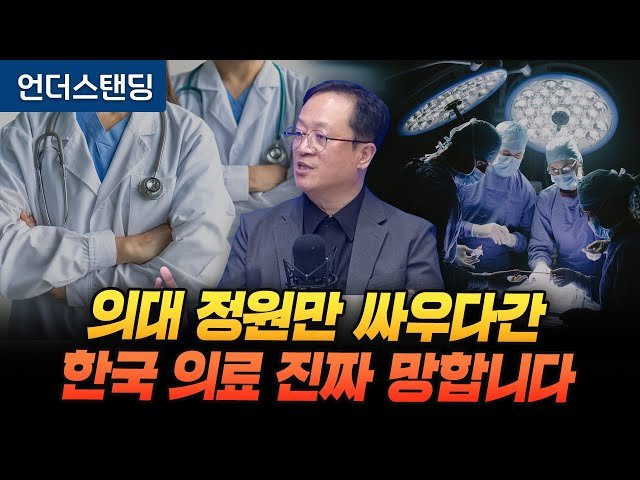
끝모를 의정갈등, 이러다 다 망합니다 (서울대병원 공공진료센터 권용진 교수)
이 영상은 한국 의료 시스템의 **근본적인 문제점**과 해결 방안에 대해 심도 있게 논의합니다. 의대 정원 증원 문제에만 매몰될 것이 아니라, 의료 시스템 전반의 **구조적인 문제**를 해결해야
lilys.ai
한국 의료 시스템의 숨겨진 위기
한국의 의료 시스템은 빠른 경제 성장 과정에서 사회적 합의 없이 위에서 아래로(top-down) 만들어졌습니다. 단기간에 국민 모두가 저렴한 비용으로 의료 서비스에 접근할 수 있게 된 것은 분명 성과이지만, 이런 압축 성장의 부작용이 이제 수면 위로 드러나고 있습니다.
"우리나라 의료 시스템은 적은 비용으로 높은 효율성을 가진 시스템이었습니다. 그러나 이 시스템은 고령화 사회로 인한 의료 수요 증가와 함께 더 이상 지속 가능하지 않게 되었습니다."
현재의 의료 갈등은 단순히 의대 정원 증원 문제만이 아닙니다. 이는 수십 년간 쌓인 의료 시스템의 구조적 문제들이 세대 교체와 함께 폭발한 것입니다. 젊은 의사들은 과거와 달리 적절한 보상과 근로 조건을 요구하고 있으며, 정부의 약속 위반에 대한 불신도 커지고 있습니다.
단순히 의사 수만 늘리면 해결될까?
많은 사람들이 의사 수를 늘리면 의료 접근성이 개선되고 의료비가 감소할 것이라고 생각합니다. 그러나 현실은 그렇게 단순하지 않습니다.
의사 수 증가는 단기적으로 인건비를 낮출 수 있지만, 의료 이용 행태가 바뀌지 않는다면 오히려 의료비 지출이 증가할 수 있습니다. OECD 평균보다 빠르게 상승하는 건강보험료와 의료비 지출은 이미 의료 재정의 위기를 보여주고 있습니다.
한국의 의료 시스템에는 다음과 같은 근본적인 문제들이 존재합니다:
- 환자의 책무성 부족: 건강보험 가입자들은 자신의 의료 이용에 대한 책임 의식이 낮아, 중증 환자들이 필요한 의료 서비스를 받지 못하는 경우가 발생합니다.
- 의료 전달 체계의 문제: 1차, 2차, 3차 의료기관 간의 경직된 규제로 환자들은 대형병원에 몰리고, 중증 환자의 진료 우선순위가 보장되지 않습니다.
- 전문가 집단의 윤리 의식 저하: 의사 집단은 자율 규제와 정책 제안의 역할을 충분히 수행하지 못하고 있습니다.
진정한 의료 개혁을 위한 방향
의료 시스템 개혁을 위해서는 복합적인 접근이 필요합니다:
환자 중심의 의료 서비스 구축
동네 의원에서는 검사보다 진찰료를 높이고 충분한 상담 시간을 보장하는 방향으로 제도를 개선해야 합니다. 환자와 의사 간의 신뢰 관계 구축은 불필요한 검사와 치료를 줄이고 환자 만족도를 높일 수 있습니다.
"환자와 충분히 대화하면서 진료를 하면 환자 만족도가 높아지고, 이는 의사에게도 좋은 일입니다. 하지만 현재 시스템은 검사를 많이 해야 수익이 증가하는 구조입니다."
공정한 의료 자원 배분 시스템
중환자실과 응급실 사용에 대한 국민적 합의를 통해 건강보험 제도를 중증 중심으로 변경해야 합니다. 4차 병원을 지정하여 중증 환자에 대한 진료를 공정하게 배분하고, 의사들이 진료 우선 순위 지침을 따르도록 해야 합니다.
전문가 집단과 정부의 협력 강화
의료계는 단순한 요구에서 벗어나 대안 제시와 연구를 통해 정책에 기여해야 합니다. 동시에 정부는 의사들과의 협의를 통해 정책을 결정하고, 약속을 지키는 신뢰를 구축해야 합니다.
사회적 합의를 통한 지속 가능한 의료 시스템
의료 개혁은 단순히 의사나 정부의 문제가 아닌 국민 모두의 책임입니다. 투명한 공론화 과정을 통해 국민과 합의하고, 의료 이용 행태의 변화와 함께 진정한 개혁이 이루어져야 합니다.
"개혁을 위한 비용 투입은 존재하지만, 의사와 국민이 모두 행태를 변화시켜야 의미 있게 쓰일 수 있습니다."
현재의 의료 갈등을 해결하기 위해서는 의대 정원 증원이라는 단편적 접근을 넘어, 의료 전달 체계, 수가 제도, 건강보험 운영, 환자의 책무성 등 여러 문제에 대한 종합적인 논의가 필요합니다. 우리 모두가 이 논의에 참여하고, 더 나은 의료 시스템을 함께 만들어가는 과정이 중요합니다.
여러분은 어떤 의료 시스템을 원하시나요? 그리고 그 시스템을 만들기 위해 우리가 함께 할 수 있는 일은 무엇일까요? 의료는 우리 모두의 문제입니다. 함께 생각해봅시다.
#의료개혁 #의대정원 #한국의료시스템 #의료갈등 #의료전달체계 #건강보험 #의료수가 #중증환자 #공공의료 #의료정책 #의사부족 #환자중심의료 #사회적합의 #의료비용 #지속가능한의료
The Crisis in Korean Healthcare: Why We Need Fundamental Reform Beyond Medical School Quota Increases
Have you ever experienced crowded hospitals and long waiting times to see a doctor? Why do doctors always seem busy, and why do patients feel they don't receive adequate care? As conflicts over increasing medical school admissions intensify, we need to consider the fundamental problems in Korea's healthcare system.
The Hidden Crisis in Korea's Healthcare System
Korea's healthcare system was created top-down without social consensus during rapid economic growth. While it was certainly an achievement to provide all citizens with access to medical services at low cost in a short period, the side effects of this compressed growth are now coming to the surface.
"Korea's healthcare system was efficient with low costs. However, this system has become unsustainable with the increasing medical demands of an aging society."
The current medical conflict is not simply about increasing medical school quotas. It represents structural problems in the healthcare system that have accumulated over decades and are now exploding with generational change. Young doctors, unlike in the past, are demanding appropriate compensation and working conditions, and distrust of government promises is growing.
Will Simply Increasing the Number of Doctors Solve the Problem?
Many people think that increasing the number of doctors will improve medical accessibility and reduce medical costs. However, reality is not that simple.
While increasing the number of doctors may lower labor costs in the short term, medical expenditures may actually increase if medical usage patterns don't change. Health insurance premiums and medical expenditures rising faster than the OECD average already show the crisis in medical finances.
Korea's healthcare system has the following fundamental problems:
- Lack of patient accountability: Health insurance subscribers have low responsibility for their medical usage, resulting in severe patients not receiving necessary medical services.
- Problems in the medical delivery system: Due to rigid regulations between primary, secondary, and tertiary medical institutions, patients crowd large hospitals, and treatment priorities for severe patients are not guaranteed.
- Decline in ethics among expert groups: The medical community has not sufficiently fulfilled its role in self-regulation and policy proposals.
Directions for True Medical Reform
Complex approaches are needed for healthcare system reform:
Building Patient-Centered Medical Services
Local clinics need to increase consultation fees rather than tests and guarantee sufficient consultation time. Building trust between patients and doctors can reduce unnecessary tests and treatments and increase patient satisfaction.
"When doctors have enough conversation with patients during treatment, patient satisfaction increases, which is also good for doctors. However, the current system is structured to increase revenue through more tests."
Fair Medical Resource Distribution System
The health insurance system should be changed to focus on severe cases through national consensus on the use of intensive care units and emergency rooms. Designating quaternary hospitals to fairly distribute treatment for severe patients and having doctors follow treatment priority guidelines is necessary.
Strengthening Cooperation Between Expert Groups and Government
The medical community should move beyond simple demands and contribute to policy through alternative proposals and research. Simultaneously, the government should determine policies through consultation with doctors and build trust by keeping promises.
Sustainable Healthcare System Through Social Consensus
Medical reform is everyone's responsibility, not just doctors or government. True reform must come through transparent public discussion, consensus with citizens, and changes in medical usage behavior.
"While there are costs for reform, they can only be meaningfully used if both doctors and citizens change their behavior."
To resolve the current medical conflict, we need comprehensive discussions on various issues beyond the simplistic approach of increasing medical school quotas, including medical delivery systems, fee structures, health insurance operation, and patient accountability. It's important for all of us to participate in this discussion and work together to create a better healthcare system.
What kind of healthcare system do you want? And what can we do together to create that system? Healthcare is everyone's issue. Let's think about it together.
#MedicalReform #MedicalSchoolQuota #KoreanHealthcareSystem #MedicalConflict #MedicalDeliverySystem #HealthInsurance #MedicalFees #SeverePatients #PublicHealthcare #HealthcarePolicy #DoctorShortage #PatientCenteredCare #SocialConsensus #MedicalCosts #SustainableHealthcare
#의료개혁 #의대정원 #한국의료시스템 #의료갈등 #의료전달체계 #건강보험 #의료수가 #중증환자 #공공의료 #의료정책 #의사부족 #환자중심의료 #사회적합의 #의료비용 #지속가능한의료
'이슈 > 사회' 카테고리의 다른 글
| 환갑 넘은 산불진화대원, 대형 산불의 최전선에 서다 (0) | 2025.03.26 |
|---|---|
| 산불의 그림자를 걷어내다: 원인 분석과 과학적 대책 총정리 (0) | 2025.03.26 |
| 🏠 재택근무 혁명: 팬데믹 이후 5년, 사무실은 사라질까? (0) | 2025.03.25 |
| 북극해의 새로운 주인이 되려는 야망: 트럼프의 그린란드 탐내기의 숨겨진 전략 (0) | 2025.03.25 |
| 혼자여도 외롭지 않게: 현대 사회의 고립된 청년들을 위한 회복 가이드 (0) | 2025.03.25 |


