반도체는 현대 산업의 혈관과도 같은 존재입니다. 스마트폰, 자동차, AI, 클라우드 등 모든 첨단 기술은 반도체에 의존하고 있죠. 최근 미국이 반도체 산업에 사활을 거는 모습은 이 분야의 중요성을 다시 한번 상기시켜줍니다. 하지만 그 이면에는 복잡한 도전과 허점들이 숨어 있습니다. 이번 글에서는 미국 반도체 산업의 현황과 전망, 그리고 한국이 주목해야 할 기회 요인들을 살펴보겠습니다.
미국 반도체 산업, 어디로 가고 있나?
트럼프 대통령의 인텔 분할 발언, 현실성은?
트럼프 대통령이 언급한 인텔 분할 제안은 현실성이 낮다는 평가를 받고 있습니다. 이는 단순히 기업 구조를 바꾸자는 이야기가 아니라, 기술력 부족을 다른 기업에서 보완하라는 의미로 해석됩니다. 실제로 인텔은 소프트웨어 설계 능력에서 경쟁사인 AMD에 뒤처지고 있으며, 이를 극복하기 위해 대만 TSMC와 같은 외부 기업과 협력 가능성을 모색 중입니다.
엔비디아 독점 깨질까?
AI와 GPU 시장에서 독보적 위치를 차지한 엔비디아 역시 불확실성에 직면해 있습니다. 글로벌 반도체 사이클 변화와 경쟁 심화로 인해 독점 구조가 흔들릴 가능성이 제기되고 있습니다. 특히 AI 투자 열풍이 한풀 꺾인 내년에는 주요 기업들의 투자 감소가 예상되며, 이는 엔비디아의 미래에도 영향을 미칠 수 있습니다.
미국 반도체 공장 설립, 왜 어려울까?
미국 내 반도체 공장 설립은 높은 제조 원가와 낮은 수익성으로 인해 매력적이지 않습니다. 한국 평택 공장에 비해 약 43% 높은 비용이 발생하며, 이는 인건비뿐 아니라 가동률과 수율에도 영향을 미칩니다.
팬데믹 이후 미국은 공급망 안정화를 이유로 자국 내 제조를 강조하고 있지만, 실제로는 보조금 없이는 공장 설립이 어렵다는 의견이 많습니다. 이에 따라 미국 기업들조차 일본이나 말레이시아 등 아시아 지역에 공장을 세우는 추세입니다.
팬데믹 이후의 경제적 상호의존성
팬데믹은 글로벌 공급망의 취약성을 드러냈습니다. 미국은 과거 아시아에 의존해 다양한 제품을 수입했으나, 물류 중단으로 큰 타격을 입었습니다. 이런 상황에서 미국 정부는 외국 기업 유치를 위한 보조금을 제공하며 자국 중심의 공급망 재편을 추진하고 있습니다.
하지만 이러한 정책이 성공적으로 자리 잡기 위해서는 시간이 필요합니다. 특히 AI와 2차 전지 산업처럼 고도의 기술력을 요구하는 분야에서는 한국과 같은 국가들의 협력이 필수적입니다.
한국에게 주어진 기회
미국의 반도체 보조금 축소 논의는 한국 기업들에게 새로운 기회를 제공합니다. 삼성전자와 SK하이닉스 같은 글로벌 플레이어들은 이미 AI와 메모리 반도체 분야에서 강점을 보유하고 있습니다.
특히 미국 내 제조 원가 상승과 투자 불확실성은 한국 기업들이 기술력을 바탕으로 시장 점유율을 확대할 수 있는 환경을 조성합니다. 또한, AI 투자 감소로 인해 생기는 공백을 메우며 새로운 성장 동력을 확보할 가능성도 큽니다.
반도체 산업의 미래를 위한 질문
미래 반도체 시장은 단순히 기술력만으로 승부가 나지 않을 것입니다. 글로벌 공급망 재편, AI 투자 전략 변화, 그리고 각국 정부의 정책 등이 복합적으로 작용하며 새로운 판도를 만들어갈 것입니다.
- 한국은 미국과의 협력을 어떻게 활용할 수 있을까요?
- AI 투자 감소가 한국 반도체 산업에 미칠 영향은 무엇일까요?
- 글로벌 공급망 재편 속에서 한국이 차지할 위치는 어디일까요?
#반도체산업 #미국반도체 #한국반도체 #AI투자 #엔비디아 #공급망재편 #트럼프정책 #TSMC #SK하이닉스 #삼성전자 #글로벌경제
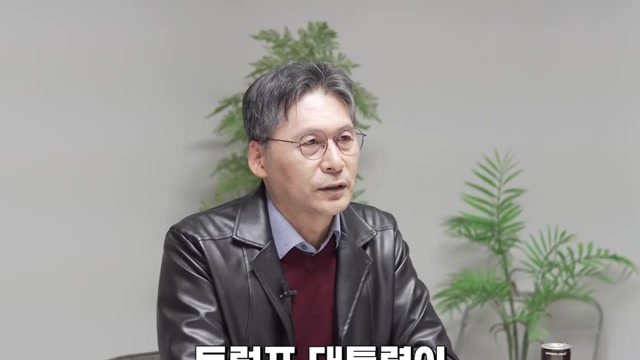
미국이 한국 찾아온 진짜 이유, 삼성전자 대 역전극 시작됐다 (반도체 애널리스트 이주완 박사)
이 영상은 반도체 애널리스트 이주완 박사가 출연하여 **미국 반도체 산업의 현황과 전망**에 대해 심도 있게 분석합니다. 트럼프 대통령의 인텔 분할 발언에 대한 비판적 시각과 함께, 미국의
lilys.ai
The Current and Future of the U.S. Semiconductor Industry: Opportunities for Korea
Semiconductors are like the lifeblood of modern industries. Smartphones, cars, AI, and cloud computing—all cutting-edge technologies depend on semiconductors. Recently, the U.S. has been putting everything into its semiconductor industry, highlighting its importance. However, beneath this effort lies a complex web of challenges and shortcomings. This article explores the current state and future of the U.S. semiconductor industry and identifies opportunities that Korea should seize.
Where is the U.S. Semiconductor Industry Heading?
Trump’s Intel Split Proposal: Unrealistic?
Former President Trump’s suggestion to split Intel is widely regarded as unrealistic. It’s not just about restructuring the company; it’s more about compensating for Intel’s lack of technical capabilities by collaborating with external firms. Intel has fallen behind competitors like AMD in software design capabilities and is now considering partnerships with companies like Taiwan’s TSMC to address these gaps.
Will NVIDIA’s Monopoly Break?
NVIDIA, a dominant player in AI and GPU markets, is facing uncertainty. Changes in the global semiconductor cycle and intensifying competition could disrupt its monopoly. With AI investment expected to decline next year among major companies, NVIDIA’s future might be impacted by reduced demand.
Why Is Building Semiconductor Plants in the U.S. So Challenging?
Building semiconductor plants in the U.S. is unattractive due to high manufacturing costs and low profitability. Compared to Korea’s Pyeongtaek plant, costs are approximately 43% higher, influenced by labor expenses as well as operational efficiency and yield rates.
Post-pandemic, the U.S. has emphasized domestic manufacturing for supply chain stability but faces challenges due to insufficient subsidies. As a result, even American companies are opting to establish plants in Asia—countries like Japan or Malaysia—rather than domestically.
Economic Interdependence Post-Pandemic
The pandemic exposed vulnerabilities in global supply chains. The U.S., which previously relied heavily on Asia for imports, suffered significant disruptions due to logistics shutdowns. In response, the U.S. government is offering subsidies to attract foreign companies and reorganize supply chains centered around domestic production.
However, these policies will take time to yield results. High-tech industries like AI and secondary batteries will require cooperation from countries like Korea to succeed.
Opportunities for Korea
The U.S.’s discussions on reducing semiconductor subsidies open up new opportunities for Korean companies. Global players like Samsung Electronics and SK Hynix already have strong positions in AI and memory semiconductor sectors.
The rising manufacturing costs and investment uncertainties in the U.S. create an environment where Korean firms can expand their market share based on their technological advantages. Additionally, as AI investments decrease globally, Korean companies can fill this gap and secure new growth engines.
Questions for the Future of Semiconductors
The future semiconductor market won’t be determined solely by technology. Factors such as global supply chain restructuring, shifts in AI investment strategies, and government policies will shape new dynamics.
- How can Korea leverage its cooperation with the U.S.?
- What impact will declining AI investments have on Korea’s semiconductor industry?
- Where will Korea stand amidst global supply chain restructuring?
#SemiconductorIndustry #USSemiconductors #KoreanSemiconductors #AIInvestment #NVIDIA #SupplyChainRestructuring #TrumpPolicy #TSMC #SKHynix #SamsungElectronics #GlobalEconomy
'이슈 > 경제' 카테고리의 다른 글
| "상법 개정안 통과, 기업과 주주 간 새로운 균형점 찾기" (1) | 2025.03.14 |
|---|---|
| 오늘 꼭 알아야 할 경제 뉴스: 홈플러스 논란부터 코미디 시장 투자까지 (2) | 2025.03.14 |
| "복리 투자로 재정적 독립을 꿈꾸다: ISA 계좌 활용법과 장기 투자 전략" (0) | 2025.03.14 |
| 🇨🇳 중국 주식의 화려한 부활! '테리픽 10'이 불러온 투자 열풍과 미국 증시의 흔들림 (0) | 2025.03.13 |
| 딥시크 공개: 중국의 전략적 움직임과 그 의미 (0) | 2025.03.12 |


