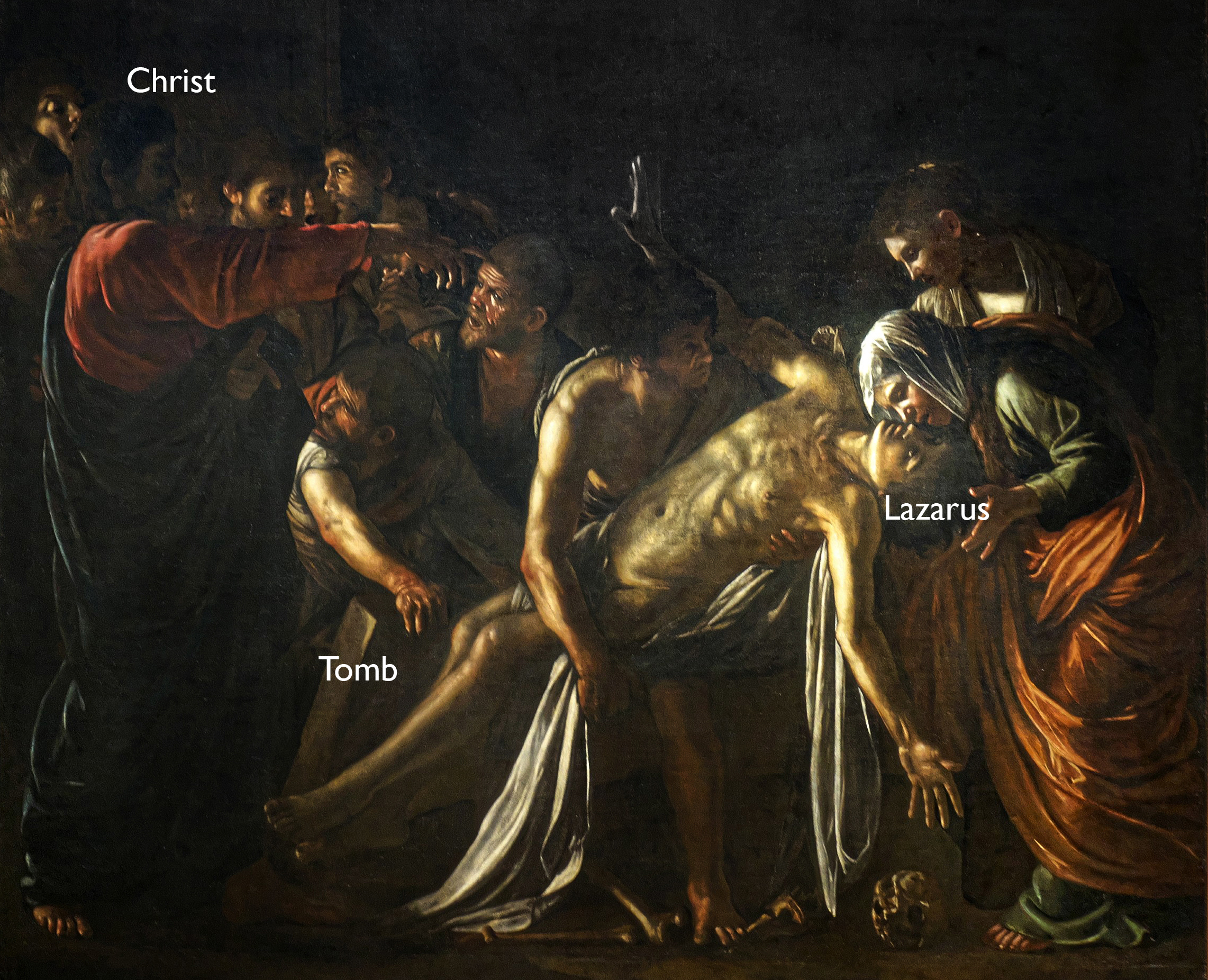
카라바조의 '라자로의 부활'은 17세기 초 바로크 미술의 걸작으로, 단순한 성경 이야기의 재현을 넘어 깊은 개인적, 사회적, 종교적 맥락을 담고 있습니다. 이 작품은 카라바조 특유의 극적인 명암 대비와 생생한 인물 묘사를 통해 죽음과 생명, 구원의 메시지를 강렬하게 전달합니다. 카라바조가 이 작품을 그린 배경에는 의뢰인과의 관계, 그의 개인적 상황, 그리고 당시의 종교적 맥락이 복합적으로 작용했습니다.
의뢰와 제작 배경
도망자 카라바조와 시칠리아에서의 피난
카라바조는 1608년 몰타에서 알려지지 않은 범죄로 투옥되었다가 탈출한 후, 시칠리아로 피신하게 됩니다^15. 그곳에서 그는 오랜 친구이자 예술가인 마리오 미니티(Mario Minniti)의 도움을 받아 여러 중요한 작품 의뢰를 받게 됩니다^15. 이 시기는 카라바조 인생의 "가장 동요하고 고통받는 마지막 부분"으로 묘사됩니다^8. 그는 이미 1606년 로마에서 칼싸움 결투로 한 남자를 살해한 후 도주 중이었습니다^16.
의뢰인과 후원자
'라자로의 부활'은 메시나의 파드리 크로치페리(Padri Crociferi) 교회를 위해 제작되었으며, 제노바의 부유한 상인 조반니 바티스타 데 라자리(Giovanni Battista de' Lazzari)가 의뢰했습니다^7. 흥미롭게도 의뢰인 라자리의 이름은 성경 속 인물 라자로와 유사했으며, 라자로는 그의 수호성인이기도 했습니다^3. 작품은 1609년 6월 10일에 교회에 전달되었으며, 카라바조는 이 작품에 대해 1,000 스쿠디라는 거액을 받았는데, 이는 그가 이전에 받았던 어떤 보수보다도 두 배 이상 높은 금액이었습니다^15.
[교양] - 바로크 미술의 찬란한 세계와 카라바조의 혁신적 발자취
바로크 미술의 찬란한 세계와 카라바조의 혁신적 발자취
카라바조는 왜 거리의 여인으로 교회 그림을 그렸을까 [아트언더스탠딩] (아츠인유 이세라 대표이 영상은 **바로크 미술**에 대한 깊은 이해를 돕기 위한 시간으로, 카라바조의 중요한 작품을 중
agent-katrina.tistory.com
파드리 크로치페리 수도회의 특별한 사명
파드리 크로치페리 수도회는 특별한 목적을 가진 단체였습니다. 이들은 말기 환자, 특히 흑사병 희생자들을 돌보는 데 헌신한 수도사들이었습니다^5. 16세기 말 성 카밀루스 데 렐리스(Saint Camillus de Lellis)가 설립한 이 수도회는 당시 병원에서 찾아보기 힘들었던 자비로운 간호를 제공하기 위해 노력했습니다^5.
이들은 "del ben morire"(좋은 죽음을 위한 아버지들)라는 별명으로 불렸으며, 메시나에서는 7개의 시립 병원에서 봉사할 정도로 활발히 활동했습니다^5. 라자로의 부활 이야기는 환자들과 자신들의 형제들의 죽음을 정기적으로 경험하는 이 수도회의 현실과 깊은 연관성을 가졌습니다^5.
[교양] - 카라바조의 예술 세계: 가능성과 에로스의 탐구
카라바조의 예술 세계: 가능성과 에로스의 탐구
카라바조(Michelangelo Merisi da Caravaggio)는 바로크 시대를 대표하는 화가이자, 그의 작품을 통해 인간의 정체성과 욕망, 그리고 그에 대한 경고를 탐구한 독창적인 예술가입니다. 특히 그의 작품 도
agent-katrina.tistory.com
작품의 혁신적 특징
카라바조의 독특한 화풍
카라바조는 '라자로의 부활'에서 전통적인 종교화의 관습을 타파하고 획기적인 미술적 접근을 보여줍니다. 이탈리아 르네상스 시대의 제단화들이 주요 인물과 이야기를 명확하게 보여주는 것이 관행이었던 반면, 카라바조는 17세기 초에 종교적 내러티브에 접근하는 근본적으로 다른 방식을 제안했습니다^5.
카라바조는 이 작품을 밤 장면으로 구성했고, 테네브리즘(tenebrism) 기법을 사용하여 어두운 부분과 빛의 광선을 극적으로 대비시켰습니다^5. 그는 중요한 요소들을 빛으로 강조하면서, 장면의 극적인 효과를 높였습니다^7. 이러한 빛과 어둠의 대비는 단순한 시각적 효과를 넘어, 죽음과 생명, 구원과 절망의 대비를 상징적으로 표현합니다.
[교양] - 베드로의 부인, 인간의 나약함과 회개의 의미를 그리다
베드로의 부인, 인간의 나약함과 회개의 의미를 그리다
카라바조의 작품 *"베드로의 부인"*은 단순한 성경 이야기의 재현을 넘어, 인간 본연의 약점과 진정한 회개의 가능성을 깊이 탐구하는 예술적 걸작입니다. 이 그림과 이야기는 현대를 살아가는
agent-katrina.tistory.com
친밀함과 현실주의
카라바조의 구성은 인물들 사이의 친밀한 가까움을 반복적으로 보여줍니다^5. 중앙의 무덤지기는 부드럽게 라자로의 몸을 들어 올리며 그의 얼굴을 바라보고, 라자로의 자매 마리아는 오른쪽에 서서 그의 머리를 부드럽게 받치고 있습니다^5. 이들이 시신을 두려움 없이 다루는 모습은 파드리 크로치페리 수도회의 자비로운 간호를 상징적으로 보여줍니다^5.
작품에 담긴 깊은 상징과 의미
그리스도와 라자로의 상징적 관계
카라바조는 라자로의 몸을 T자 형태로 손을 벌린 자세로 묘사하여, 십자가에 못 박힌 그리스도의 모습을 연상시킵니다^5. 이를 통해 라자로의 부활이 그리스도의 죽음과 부활을 예고하는 사건임을 시각적으로 강조합니다^2.
라자로의 신체 언어는 생명과 죽음 사이의 경계를 생생하게 보여줍니다. 그의 오른손은 새롭게 활력을 얻어 빛으로 빛나며 그리스도를 향해 뻗어 있고, 왼손 아래에는 인간의 해골이 놓여 있어 마치 그가 직접 떨어뜨린 것처럼 보입니다^5. 이는 죽음에서 생명으로의 전환 과정을 명백하게 시각화한 것입니다.
개인적 공감과 자기 투영
카라바조가 이 작품을 그릴 당시, 그는 살인자로 도주 중이었고 자신의 생명이 위태로운 상황이었습니다^8. 따라서 죽음과 부활의 주제는 그에게 개인적으로 깊은 의미를 가졌을 것입니다. 라자로의 죽음에서 구원받는 모습은 카라바조 자신이 열망했던 구원과 용서의 가능성을 상징적으로 보여줍니다.
일부 학자들은 카라바조가 자신을 어두운 머리카락을 가진 남자로, 그리스도 뒤에 서서 기적을 지켜보는 방관자 중 한 명으로 묘사했다고 주장합니다^7. 이는 자신의 구원에 대한 희망과 동시에 자신의 죄에 대한 인식을 반영하는 것으로 해석될 수 있습니다.
작품의 미술사적 의의
혁신적 빛의 사용
카라바조의 '라자로의 부활'은 빛의 사용에 있어 선구적입니다. 그는 마치 영화나 연극 감독이 조명을 연구하듯 빛을 세심하게 조절하고 유도했습니다^3. 이 작품에서 카라바조는 무대에 조명을 집중시키고 상징적으로 빛을 연출합니다. 그는 예수의 팔과 어깨를 강조하고, 구원의 빛의 띠가 라자로의 몸을 비추도록 했습니다^3.
이러한 카라바조의 빛 사용 기법은 후대 화가들인 드 라 투르(De La Tour), 젠틸레스키(Gentileschi), 혼트호르스트(Honthorst) 등에게 큰 영향을 미쳤습니다^3.
종교화의 새로운 방향
카라바조는 '라자로의 부활'을 통해 종교화의 새로운 방향을 제시했습니다. 그는 성스러운 인물들을 이상화하지 않고, 인간적이고 현실적으로 묘사했습니다. 또한 종교적 내러티브에 극적인 감정과 심리적 깊이를 부여했습니다.
이러한 접근 방식은 당시 가톨릭 개혁의 맥락에서 이해할 수 있습니다. 트렌트 공의회 이후 가톨릭 교회는 종교 미술이 신자들의 감정을 움직이고 신앙을 강화하는 역할을 해야 한다고 강조했습니다^1. 카라바조의 작품은 이러한 요구에 완벽하게 부합하는 감정적 강도와 생생한 현실감을 제공했습니다.
결론
카라바조가 '라자로의 부활'을 그린 이유는 단순히 의뢰를 받았기 때문만은 아닙니다. 이 작품은 의뢰인의 요구, 종교적 맥락, 카라바조 자신의 개인적 상황, 그리고 그의 예술적 비전이 복합적으로 작용한 결과물입니다. 파드리 크로치페리 수도회의 특별한 사명과 카라바조의 개인적 상황은 이 작품에 독특한 의미 층위를 더했습니다.
카라바조는 빛과 어둠의 극적인 대비, 인물들의 친밀한 관계 묘사, 그리고 상징적 구성을 통해 라자로의 부활 이야기를 단순한 성경 내러티브 이상으로 승화시켰습니다. 그는 죽음에서 생명으로의 전환, 구원의 가능성, 그리고 인간의 연약함과 희망에 대한 깊은 통찰을 제공합니다.
'라자로의 부활'은 단순한 종교화가 아니라, 인간 존재의 근본적인 질문을 다루는 깊은 예술적, 영적 명상이자, 카라바조 자신의 구원에 대한 갈망을 표현한 개인적 고백으로도 볼 수 있습니다.
#카라바조 #라자로의부활 #바로크미술 #종교화 #테네브리즘 #빛과어둠 #미술사 #성경이야기 #이탈리아미술 #종교적상징 #시칠리아 #명화분석 #미술작품해석 #르네상스이후 #메시나 #기독교미술
Caravaggio's 'The Raising of Lazarus': Background and Significance
Caravaggio's 'The Raising of Lazarus' is a masterpiece of early 17th century Baroque art that transcends simple biblical narrative to encompass deep personal, social, and religious contexts. Through Caravaggio's distinctive dramatic chiaroscuro and vivid characterization, the work powerfully conveys messages of death, life, and salvation. The background behind Caravaggio's creation of this work involves a complex interplay of his relationship with the patron, his personal circumstances, and the religious context of the time.
Commission and Background
Caravaggio the Fugitive and Refuge in Sicily
In 1608, Caravaggio escaped imprisonment in Malta for an unknown crime and sought refuge in Sicily^15. There, with the help of his longtime friend and fellow artist Mario Minniti, he secured several important commissions^15. This period is described as "the last and most agitated and tormented part of his life"^8. He was already on the run after killing a man in a sword duel in Rome in 1606^16.
The Patron and Commissioner
'The Raising of Lazarus' was created for the church of Padri Crociferi in Messina, commissioned by a wealthy Genoese merchant, Giovanni Battista de' Lazzari^7. Interestingly, the patron's name Lazzari was similar to the biblical figure Lazarus, who was also his patron saint^3. The painting was delivered to the church on June 10, 1609, and Caravaggio received the substantial sum of 1,000 scudi for this work, more than double any fee he had previously received^15.
The Special Mission of Padri Crociferi
The Padri Crociferi was an order with a special purpose. They were monks dedicated to caring for the terminally ill, particularly plague victims^5. Founded by Saint Camillus de Lellis in the late 16th century, this order strived to provide compassionate care that was hard to find in hospitals at that time^5.
They were known as "del ben morire" (fathers of the good death) and were active in Messina, serving in seven civic hospitals^5. The story of Lazarus's resurrection had profound relevance to the reality of this order, which regularly experienced the deaths of their patients and their own brothers^5.
Innovative Features of the Artwork
Caravaggio's Distinctive Style
In 'The Raising of Lazarus,' Caravaggio breaks with the conventions of traditional religious painting to offer a revolutionary artistic approach. While Italian Renaissance altarpieces typically presented their subjects and narratives clearly, Caravaggio proposed a fundamentally different way of approaching religious narrative in the early 17th century^5.
Caravaggio composed this work as a night scene and used the tenebrism technique to dramatically contrast dark areas with beams of light^5. He highlighted important elements with light, enhancing the dramatic effect of the scene^7. This contrast between light and darkness goes beyond mere visual effect to symbolically express the contrast between death and life, salvation and despair.
Intimacy and Realism
Caravaggio's composition repeatedly shows intimate closeness between figures^5. The central gravedigger gently lifts Lazarus's body and gazes at his face, while Lazarus's sister Mary stands on the right, tenderly cradling his head^5. Their fearless handling of the corpse symbolically represents the compassionate care of the Padri Crociferi order^5.
Deep Symbolism and Meaning in the Work
Symbolic Relationship Between Christ and Lazarus
Caravaggio depicts Lazarus's body in a T-shape with outstretched arms, evoking the image of Christ crucified^5. This visually emphasizes that Lazarus's resurrection foreshadows Christ's death and resurrection^2.
Lazarus's body language vividly shows the boundary between life and death. His right hand, newly invigorated and illuminated by light, reaches toward Christ, while a human skull lies beneath his left hand, as if he had just dropped it^5. This clearly visualizes the transition from death to life.
Personal Empathy and Self-Projection
When Caravaggio painted this work, he was a fugitive murderer in a life-threatening situation^8. Therefore, the theme of death and resurrection likely held deep personal meaning for him. Lazarus's salvation from death symbolically represents the possibility of salvation and forgiveness that Caravaggio himself longed for.
Some scholars suggest that Caravaggio depicted himself as a dark-haired man standing behind Christ, one of the onlookers witnessing the miracle^7. This can be interpreted as reflecting his hope for his own salvation while acknowledging his sins.
Art Historical Significance
Innovative Use of Light
Caravaggio's 'The Raising of Lazarus' is pioneering in its use of light. He carefully calibrated and guided light as a film or theater director would study lighting^3. In this work, Caravaggio spotlights his stage and symbolically directs the light. He highlights Jesus's arm and shoulder, allowing a strip of salvific light to flood over Lazarus's body^3.
This technique of using light had a significant influence on later painters such as De La Tour, Gentileschi, and Honthorst^3.
New Direction for Religious Painting
Through 'The Raising of Lazarus,' Caravaggio presented a new direction for religious painting. He depicted holy figures not as idealized beings but as human and realistic. He also imbued religious narratives with dramatic emotion and psychological depth.
This approach can be understood in the context of the Catholic Reformation. After the Council of Trent, the Catholic Church emphasized that religious art should move the emotions of believers and strengthen faith^1. Caravaggio's work perfectly meets these demands with its emotional intensity and vivid realism.
Conclusion
The reason Caravaggio painted 'The Raising of Lazarus' goes beyond simply receiving a commission. This work is the result of a complex interplay between the patron's requirements, religious context, Caravaggio's personal situation, and his artistic vision. The special mission of the Padri Crociferi order and Caravaggio's personal circumstances added unique layers of meaning to this work.
Through dramatic contrasts of light and darkness, intimate portrayal of relationships between figures, and symbolic composition, Caravaggio elevated the story of Lazarus's resurrection beyond a simple biblical narrative. He provides deep insights into the transition from death to life, the possibility of salvation, and human frailty and hope.
'The Raising of Lazarus' is not simply a religious painting but a profound artistic and spiritual meditation addressing fundamental questions of human existence, and can also be seen as a personal confession expressing Caravaggio's own longing for salvation.
#Caravaggio #RaisingOfLazarus #BaroqueArt #ReligiousPainting #Tenebrism #LightAndDarkness #ArtHistory #BiblicalStory #ItalianArt #ReligiousSymbolism #Sicily #MasterpieceAnalysis #ArtworkInterpretation #PostRenaissance #Messina #ChristianArt
'교양' 카테고리의 다른 글
| 예수님의 생애: 탄생부터 부활까지, 인류 구원의 여정을 한눈에 (0) | 2025.04.14 |
|---|---|
| 마음을 울리는 고난주간 기도문, 예수님의 희생과 사랑을 담다 (0) | 2025.04.14 |
| 하늘의 보물을 쌓는 방법: 천주교 사제의 돈과 삶에 대한 솔직한 이야기 (1) | 2025.04.13 |
| 독립영화: 창의성과 도전의 예술적 여정 (1) | 2025.04.12 |
| 구르카: 세계 최고의 전사인가, 용병인가? 그들의 200년 전설에 담긴 진실 (0) | 2025.04.12 |


