오랫동안 '완전식품'으로 불려온 우유, 정말 우리 건강에 도움이 될까요, 아니면 해가 될까요? 수많은 정보들 사이에서 진실을 찾기란 쉽지 않습니다. 어떤 사람들은 매일 우유를 마시는 것이 필수적이라고 주장하는 반면, 다른 이들은 성인에게는 불필요하거나 심지어 해롭다고 말합니다. 오늘은 과학적 연구를 바탕으로 우유의 진실에 대해 알아보겠습니다.
우유와 건강
이 영상은 우유 섭취와 건강에 대한 다양한 측면을 균형 잡힌 시각으로 다룹니다. **우유는 칼슘과 단백질이 풍부한 영양가 높은 식품**이지만, 과도한 섭취는 일부 연구에서 부정적인 결과와 연
lilys.ai
우유, 그 영양학적 가치를 살펴보다
우유는 단순한 음료가 아닌 자연이 만든 영양식품입니다. 우유 한 컵(200ml)에는 약 8g의 단백질과 250mg의 칼슘이 들어있어 일일 권장량의 상당 부분을 충족시켜 줍니다. 또한 비타민 B군, 칼륨 등의 무기질도 풍부해 균형 잡힌 영양 공급원이 됩니다.
우유의 주요 영양소:
- 양질의 단백질: 근육 유지와 성장에 필수
- 풍부한 칼슘: 뼈 건강의 핵심 요소
- 비타민 B군: 에너지 대사에 중요한 역할
- 칼륨과 무기질: 체내 수분 균형과 혈압 조절에 기여
우유는 목장에서 짜낸 원유를 살균 처리한 것으로, 인위적인 첨가물이 거의 없는 미가공 식품에 가깝습니다. 그러나 지방 함량에 따라 전지 우유, 저지방 우유, 무지방 우유로 나뉘며, 개인의 건강 상태에 따라 선택할 수 있습니다.
논쟁의 중심에 선 우유: 사망률과의 관계
우유 섭취와 사망률의 관계는 학계에서도 논쟁이 분분한 주제입니다. 스웨덴의 한 대규모 연구에 따르면, 하루에 세 잔 이상 우유를 마시는 여성들은 한 잔 미만으로 마시는 그룹보다 사망률이 높은 경향을 보였습니다. 연구팀은 우유의 유당이 대사되며 생성되는 갈락토스가 산화 스트레스와 만성 염증을 유발할 수 있다는 가설을 제시했습니다.
그러나 다른 메타 분석에서는 우유 소비와 사망률 간의 일관된 연관성을 발견하지 못했습니다. 이는 관찰 연구의 한계를 보여주며, 인과 관계를 증명하기보다는 연관성만을 나타냅니다.
주목할 만한 사실은 요구르트나 치즈와 같은 발효 유제품의 경우 오히려 사망률과 골절 위험을 낮추는 경향이 있다는 것입니다.
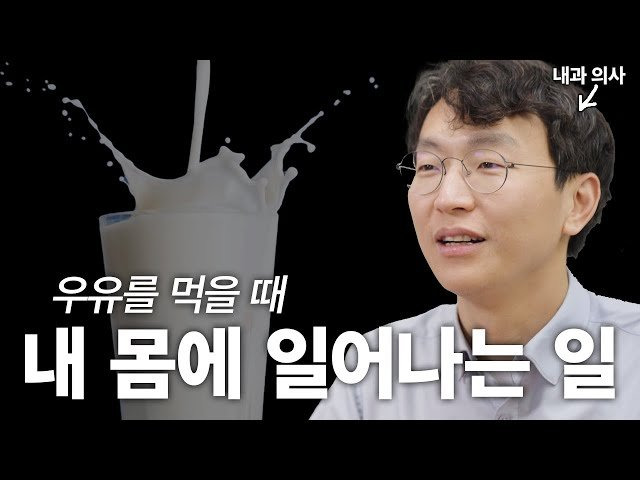
심장 건강과 우유: 예상 밖의 결과
우유에 포화지방이 많이 함유되어 있음에도 불구하고, 심혈관 건강에 부정적인 영향을 미친다는 명확한 증거는 부족합니다. 오히려 일부 연구에서는 유제품 섭취가 심근경색과 뇌졸중 위험을 각각 16%와 21% 낮추는 것으로 나타났습니다.
이러한 놀라운 결과의 이유로는:
- 우유 내 유익한 성분들이 혈압을 낮추고 콜레스테롤 흡수를 억제할 가능성
- 우유 섭취자들이 탄수화물 음료 대신 우유를 선택함으로써 얻는 영양 균형
- 유제품에 포함된 포화지방이 다른 식품의 포화지방과는 다른 생리학적 효과를 가질 가능성
최근 연구들은 우유와 유제품의 적절한 섭취가 심혈관 건강에 악영향을 미치지 않으며, 오히려 유익할 가능성이 있다는 결론에 도달하고 있습니다.
골다공증과 당뇨병: 우유가 미치는 영향
칼슘이 풍부한 우유는 전통적으로 뼈 건강에 좋다고 여겨져 왔습니다. 여러 연구에서 우유와 유제품 섭취가 골밀도와 골다공증 유병률에 긍정적인 영향을 미치는 경향이 관찰되었습니다.
그러나 스웨덴 연구에서는 우유 섭취가 골절 위험 감소에 도움이 되지 않는다는 결과도 있었으며, 20년 추적 연구에서도 우유를 많이 마시는 여성의 고관절 골절 발생률이 낮지 않았다는 상반된 결과가 있습니다.
주목할 점은 우유의 긍정적인 효과는 대체로 규칙적인 운동과 함께할 때 극대화된다는 것입니다.
당뇨병에 관해서는, 우유가 혈당 스파이크를 일으키지 않으며, 제2형 당뇨병 예방에 도움이 될 수 있다는 연구 결과가 있습니다. 이는 우유 단백질이 인슐린 반응을 개선하는 데 도움이 될 수 있기 때문입니다.
얼마나 마셔야 적당할까?
연구 결과들을 종합해 볼 때, 우유는 하루 두세 잔 정도 섭취할 때 건강상 이점이 있으며, 사망률이 줄어드는 경향도 보입니다. 반면, 하루 네 컵 이상의 과도한 섭취는 특별한 이익이 없으며, 오히려 부정적일 가능성이 있습니다.
우유가 특히 유익한 대상:
- 성장기 청소년: 뼈와 근육 발달에 필요한 영양소 공급
- 임산부: 태아 발달과 모체 건강을 위한 영양 공급
- 노년층: 근감소증과 골다공증 예방에 도움
비만이나 대사 질환이 걱정되는 성인은 저지방 또는 무지방 우유를 선택하는 것이 좋으며, 필요에 따라 유제품을 줄이는 것을 고려할 수 있습니다.
결론: 우유는 친구일까, 적일까?
우유는 그 자체로 '나쁘거나' '좋은' 식품이 아닙니다. 영양가가 높은 식품이지만, 개인의 건강 상태, 유전적 특성, 생활 방식에 따라 그 효과는 달라질 수 있습니다.
중요한 것은 우유 단독으로 건강을 결정짓지 않으며, 전반적인 식생활과 생활 습관이 더 중요하다는 점입니다. 균형 잡힌 식단의 일부로 적절히 섭취한다면, 우유는 많은 사람들에게 유익한 식품이 될 수 있습니다.
당신은 하루에 우유를 얼마나 마시나요? 우유에 대한 생각이 이 글을 읽고 바뀌었나요? 자신의 건강 상태와 필요에 맞게 우유 섭취를 결정하는 것이 가장 현명한 방법일 것입니다.
#우유영양소 #우유와건강 #유제품효능 #골다공증예방 #심혈관건강 #유당불내증 #균형잡힌식단 #영양학 #건강식품 #다이어트 #단백질섭취 #칼슘섭취 #건강한식생활 #식이요법
The Truth About Milk: Debunking Myths and Understanding Health Benefits
For years, milk has been called a "perfect food," but is it truly beneficial for our health, or could it be harmful? Finding the truth amidst the sea of information isn't easy. While some argue that daily milk consumption is essential, others claim it's unnecessary or even harmful for adults. Today, we'll explore the truth about milk based on scientific research.
Exploring Milk's Nutritional Value
Milk is not just a beverage but a nutritional food created by nature. A cup of milk (200ml) contains about 8g of protein and 250mg of calcium, fulfilling a significant portion of your daily recommended intake. It's also rich in B vitamins and minerals like potassium, making it a well-balanced source of nutrition.
Key nutrients in milk:
- High-quality protein: Essential for muscle maintenance and growth
- Rich calcium: A key element for bone health
- B vitamins: Crucial for energy metabolism
- Potassium and minerals: Contributing to body fluid balance and blood pressure regulation
Milk is essentially a minimally processed food, obtained from raw milk through pasteurization with very few artificial additives. However, it comes in varieties based on fat content—whole milk, low-fat milk, and skim milk—allowing selection based on individual health conditions.
Milk at the Center of Controversy: The Mortality Connection
The relationship between milk consumption and mortality remains a controversial topic in academic circles. According to a large Swedish study, women who drank more than three glasses of milk daily showed a higher mortality rate compared to those who drank less than one glass. The research team hypothesized that galactose, produced during lactose metabolism, could cause oxidative stress and chronic inflammation.
However, other meta-analyses found no consistent association between milk consumption and mortality. This highlights the limitations of observational studies, which show correlations rather than causation.
Notably, fermented dairy products like yogurt and cheese tend to be associated with lower mortality and fracture risk.
Heart Health and Milk: Unexpected Results
Despite milk's high saturated fat content, there is limited clear evidence of negative impacts on cardiovascular health. In fact, some studies suggest that dairy consumption may reduce the risk of myocardial infarction and stroke by 16% and 21%, respectively.
Reasons for these surprising results might include:
- Beneficial components in milk that may lower blood pressure and inhibit cholesterol absorption
- The nutritional balance achieved when milk consumers choose milk over carbohydrate drinks
- The possibility that saturated fats in dairy products have different physiological effects compared to other food sources
Recent studies conclude that moderate consumption of milk and dairy products does not adversely affect cardiovascular health and may actually be beneficial.
Osteoporosis and Diabetes: Milk's Impact
Calcium-rich milk has traditionally been considered good for bone health. Several studies have observed that milk and dairy consumption tends to positively affect bone density and osteoporosis prevalence.
However, a Swedish study found that milk consumption didn't help reduce fracture risk, and a 20-year follow-up study showed that women who drank more milk did not have lower rates of hip fractures.
It's important to note that milk's positive effects are generally maximized when combined with regular exercise.
Regarding diabetes, research suggests that milk doesn't cause blood sugar spikes and may help prevent type 2 diabetes. This may be because milk protein can help improve insulin response.
How Much Should You Drink?
Considering the collective research findings, drinking two to three glasses of milk daily appears to offer health benefits and may be associated with reduced mortality. On the other hand, excessive consumption of more than four cups daily doesn't provide additional benefits and might even be detrimental.
Populations that benefit most from milk:
- Growing adolescents: Providing nutrients necessary for bone and muscle development
- Pregnant women: Supplying nutrition for fetal development and maternal health
- Elderly: Helping prevent sarcopenia and osteoporosis
Adults concerned about obesity or metabolic disorders should consider choosing low-fat or skim milk and potentially reducing dairy intake if necessary.
Conclusion: Is Milk Friend or Foe?
Milk isn't inherently "bad" or "good." While nutritionally rich, its effects can vary depending on individual health status, genetic characteristics, and lifestyle.
The key point is that milk alone doesn't determine health; overall diet and lifestyle habits are more important. As part of a balanced diet, milk can be beneficial for many people.
How much milk do you drink daily? Has your perspective on milk changed after reading this article? The wisest approach is to make decisions about milk consumption based on your individual health status and needs.
#MilkNutrients #MilkAndHealth #DairyBenefits #OsteoporosisPrevention #CardiovascularHealth #LactoseIntolerance #BalancedDiet #Nutrition #HealthyFood #Diet #ProteinIntake #CalciumIntake #HealthyEating #DietaryGuidelines
#우유영양소 #우유와건강 #유제품효능 #골다공증예방 #심혈관건강 #유당불내증 #균형잡힌식단 #영양학 #건강식품 #다이어트 #단백질섭취 #칼슘섭취 #건강한식생활 #식이요법
'생활정보 > 건강' 카테고리의 다른 글
| 암 백신의 세계, 면역력의 힘으로 암을 물리치는 혁신 기술 (0) | 2025.03.29 |
|---|---|
| 경피골막증 거상: 희망의 수술로 새로운 삶을 찾아서 (2) | 2025.03.28 |
| 얼굴의 침묵을 깨다: 안면마비의 놀라운 역사와 치료법의 진화 (1) | 2025.03.26 |
| 수면 전문가가 밝히는 한국인의 수면 위기: 16시간 자도 피곤한 이유 (0) | 2025.03.25 |
| 눈 앞에 벌레가 기어다니는 듯한 착각, 비문증의 진실과 오해 (0) | 2025.03.24 |


