무역 전쟁, 관세 폭탄, 지정학적 긴장... 최근 글로벌 투자 환경이 그 어느 때보다 험난해졌다고 느끼시나요? 대형 투자자들조차 숨을 고르며 방향을 잡지 못하는 이 시기에, 세계 최대 사모펀드 중 하나인 KKR은 오히려 이런 혼란 속에서 기회를 찾고 있습니다. 6,400억 달러의 자산을 운용하며 2030년까지 1조 달러로 확장하겠다는 야심 찬 목표를 가진 KKR의 CEO Joe Bae가 공개한 투자 전략의 핵심을 파헤쳐 봅니다. 버크셔 해서웨이식 장기 투자에서 개인 투자자를 위한 PE 시장 개방까지, KKR이 그리는 미래의 청사진에서 우리가 배울 수 있는 투자 지혜는 무엇일까요?
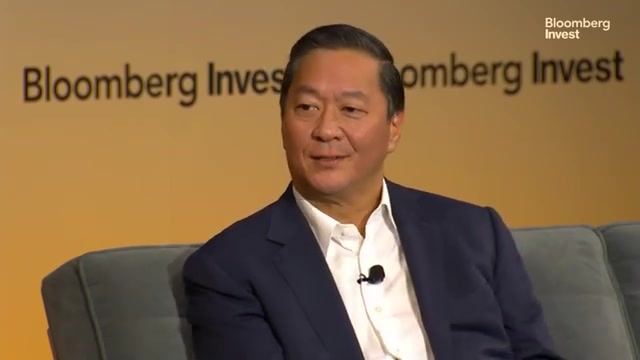
KKR CEO Joe Bae on What's Driving PE Success
KKR의 CEO Joe Bae는 **PE 성공**을 이끄는 요인에 대해 심도 있는 분석을 제공합니다. 그는 무역 관세의 불확실성 속에서 **공급망 복원력**과 **다중 소싱**의 중요성을 강조하며, 헬스케어 서비스나 I
lilys.ai
📊 글로벌 불확실성을 기회로: KKR의 투자 철학
불안정한 시장에서는 대부분의 투자자들이 움츠러드는 반면, 진정한 투자 대가들은 이를 기회로 삼습니다. KKR의 Joe Bae CEO는 현재의 시장 환경을 어떻게 바라보고 있을까요?
무역 관세와 지정학적 리스크: 위기인가, 기회인가?
"무역 관세로 인한 숙취"라는 표현으로 현 상황을 묘사한 Bae 최고경영자는 투자자들이 겪고 있는 불안과 혼란을 정확히 짚어냈습니다. 미국 시장은 불안정하고, 글로벌 투자자들은 각국의 무역 정책이 언제, 어떻게 바뀔지 가늠하기 어려운 상황에 놓여있습니다.
하지만 KKR은 이런 불확실성 속에서도 장기적인 관점을 유지합니다. 단기적인 시장 변동에 일희일비하기보다는, 각 시장의 거시적 위험을 체계적으로 분석하며 투자 기회를 모색하는 것이 KKR의 방식입니다.
공급망 복원력: 새로운 투자의 핵심 축
글로벌 무역 긴장이 고조되면서 '공급망 보안'과 '복원력'이라는 키워드가 그 어느 때보다 중요해졌습니다. KKR은 150개 이상의 포트폴리오 회사를 운영하며 이 문제에 선제적으로 대응하고 있습니다.
"우리는 공급망 회복력과 다양한 소싱 경로를 통해 리스크를 완화합니다. 이는 일시적인 전략이 아닌, KKR의 DNA에 내재된 접근 방식입니다."
KKR이 취하는 주요 전략은 다음과 같습니다:
- 다중 소싱(Multiple Sourcing): 단일 국가나 공급자에 의존하지 않고 다양한 소스를 확보
- 관세 위험이 낮은 분야 선택: 헬스케어 서비스, IT 서비스, 소프트웨어 등에 집중 투자
- 국내 중심 비즈니스 모델: 국가 간 무역에 덜 의존적인 비즈니스에 투자
이러한 전략은 단순히 위험을 회피하는 것이 아니라, 변화하는 환경에 적응하고 새로운 기회를 발굴하는 KKR의 적극적인 접근 방식을 보여줍니다.
🌏 KKR이 주목하는 글로벌 투자 핫스팟
글로벌 PE 기업으로서 KKR은 세계 각국의 시장을 면밀히 관찰하고 있습니다. 특히 아시아 시장에 대한 KKR의 시각은 많은 투자자에게 유용한 인사이트를 제공합니다.
일본: 숨겨진 보석을 찾아서
많은 글로벌 투자자들이 간과하고 있지만, KKR은 일본 시장의 잠재력에 주목하고 있습니다. Joe Bae는 일본 시장이 투자 기회가 부족하다는 점을 오히려 긍정적으로 평가합니다.
미국 투자자들이 일본 시장에 접근하는 방법을 찾지 못하고 있는 상황은, 역설적으로 KKR과 같은 글로벌 PE 기업에게는 경쟁이 적은 블루오션을 의미합니다. 일본의 기업 지배구조 개혁과 함께, KKR은 일본에서 가치 있는 투자 기회를 발굴하고 있습니다.
중국: 내수 소비에 베팅하다
중국 시장에 대한 국제적 우려에도 불구하고, KKR은 중국 투자를 지속하고 있습니다. 다만 접근법은 신중합니다:
- 전통적인 민감 부문 회피: 정치적으로 민감한 부문은 피함
- 내수 소비 및 서비스 중심: 중국의 성장하는 중산층을 타겟으로 함
- 고품질 기업 집중: 프리미엄 상품과 서비스를 제공하는 기업에 투자
중국의 중산층이 성장하면서 품질에 대한 요구가 높아지고 있으며, KKR은 이러한 소비자 기대에 부응하는 기업들에 투자하고 있습니다. 이는 외부적 무역 갈등에 덜 영향을 받으면서도 중국 내수 시장의 성장을 활용하는 전략입니다.
미국: 여전한 강세의 비결
글로벌 투자를 적극적으로 추진하면서도, KKR은 미국 시장의 근본적인 강점을 높이 평가합니다. Joe Bae는 특히 미국의 노동 생산성을 미국 경제의 궁극적인 강점으로 꼽습니다.
일본의 인력 생산성 문제와 대비되는 미국의 생산성은, 장기적으로 미국 경제와 자본 시장의 회복력을 뒷받침하는 요소입니다. KKR은 이러한 미국 경제의 기초 체력을 믿고, 미국 시장에서도 적극적인 투자를 이어가고 있습니다.
🏛️ 버크셔 해서웨이를 닮아가는 KKR: 전략적 지주 사업의 부상
KKR의 가장 흥미로운 변화 중 하나는 워렌 버핏의 버크셔 해서웨이와 유사한 비즈니스 모델을 구축해 나가고 있다는 점입니다. 전통적인 PE 기업의 이미지를 넘어, KKR은 기업을 장기적으로 보유하고 가치를 창출하는 '전략적 지주' 모델을 발전시키고 있습니다.
18개 기업과 영구적 자본의 힘
현재 KKR은 18개의 기업을 전략적 지주 포트폴리오로 보유하고 있습니다. 이 기업들은 KKR이 미래에도 지속적으로 보유하고 싶어하는 성격의 사업들로, 일반적인 PE 투자와는 달리 5-7년 후 매각을 목표로 하지 않습니다.
이러한 접근은 단기적 이익보다 장기적인 가치 창출에 초점을 맞추는 KKR의 철학을 보여줍니다. 또한, 이러한 기업들은 중간 10% 이상의 자본 가치를 복합적으로 증가시킬 수 있는 방어적이며 현금 지향적인 특성을 가지고 있습니다.
KKR의 세 가지 핵심 축: 자산 관리, 보험, 전략적 지주
KKR의 비즈니스 모델은 세 가지 주요 축으로 구성되어 있습니다:
- 자산 관리: 6,500억 달러 규모의 전통적인 PE 사업
- 보험(Global Atlantic): 1,900억 달러 가치의 생명 및 연금 보험사
- 전략적 지주: 장기적으로 보유하는 18개 기업 포트폴리오
이 세 가지 축은 서로 시너지를 창출하며, KKR에게 안정적이고 지속 가능한 수익 구조를 제공합니다. 특히 보험 사업인 Global Atlantic은 버크셔 해서웨이의 GEICO와, 미래의 인프라 보유는 BNSF와 유사한 역할을 할 것으로 예상됩니다.
자유 현금 흐름과 자본 배분의 미학
KKR은 향후 5년 동안 약 250억 달러의 자유 현금 흐름을 창출할 것으로 예상하고 있습니다. 이는 엄청난 금액의 재투자 가능한 자본을 의미합니다. KKR의 계획은 이 자본을 다음과 같이 배분하는 것입니다:
- 전략적 보유 자산 확대: 더 많은 장기 보유 기업 인수
- Global Atlantic 성장: 보험 부문의 자산 규모 확대
- 자산 관리 비즈니스 강화: 새로운 투자 전략 및 상품 개발
KKR은 2026년까지 전략적 보유 포트폴리오에서 3억 5천만 달러 이상의 세후 배당금을 생성할 것으로 예상하며, 이는 2030년까지 11억 달러로 성장할 전망입니다. 이러한 지속적인 현금 흐름은 KKR의 성장과 다양화를 뒷받침하는 동력이 될 것입니다.
👨👩👧👦 PE 민주화: 개인 투자자를 위한 새로운 기회
전통적으로 PE는 대형 기관 투자자들의 전유물로 여겨져 왔습니다. 그러나 KKR은 최근 2-3년간 개인 투자자를 위한 새로운 사모 자산 제품을 도입하며 이 인식을 바꾸고 있습니다.
세미 유동성 제품과 접근성 확대
KKR의 새로운 투자 제품은 순자산이 1백만 달러에서 5백만 달러인 '인정된 투자자(accredited investor)'를 대상으로 합니다. 이 제품의 핵심 특징은 분기마다 자금을 일부 환급할 수 있는 세미 유동성 기능입니다.
이는 전통적인 PE 투자의 가장 큰 장벽 중 하나인 긴 자금 구속 기간(lock-up period)의 문제를 완화합니다. 개인 투자자들도 필요시 자금을 회수할 수 있는 유연성을 가지게 되어, PE 투자에 대한 심리적 장벽이 낮아집니다.
Capital Group과의 혁신적 파트너십
KKR은 더 나아가 글로벌 자산운용사인 Capital Group과 파트너십을 맺고, 대중적 부유층(mass affluent) 을 위한 혼합 투자 상품을 개발 중입니다. 이는 사모 자산 제품을 구매할 가능성이 낮은 일반 가구도 PE의 혜택을 일부 누릴 수 있게 하는 혁신적인 시도입니다.
퇴직 안전을 위한 정책적 접근
KKR은 개인의 퇴직 안전을 보장하기 위해, 401k 계획을 통한 사모 자산 접근 경로를 마련할 필요성을 제기합니다. 이는 정책 결정자와 자산 관리 산업이 협력하여 더 많은 미국인이 PE의 잠재적 수익을 활용할 수 있게 하는 방안입니다.
이러한 접근은 단순히 KKR의 고객 기반을 확대하는 것을 넘어, 금융 시장의 민주화와 더 많은 사람들의 재정적 안정에 기여하는 의미를 가집니다.
🚀 KKR의 미래 전망: 2030년 1조 달러를 향한 여정
현재 6,400억 달러의 자산을 운용하고 있는 KKR은 2030년까지 1조 달러 규모로 성장하는 원대한 목표를 설정했습니다. 이 목표를 달성하기 위한 KKR의 계획은 무엇일까요?
방어적 성장과 현금 흐름의 선순환
KKR이 전략적 보유를 위해 인수할 기업은 특별한 기준을 충족해야 합니다:
- 중간 10% 이상의 자본 가치 성장
- 방어적이며 현금 지향적인 비즈니스 모델
- 10년 이상 보유할 수 있는 장기적 가치
이러한 엄격한 기준은 KKR이 추구하는 안정적이고 지속 가능한 성장을 반영합니다. 단기적인 성과보다는 시간이 지날수록 가치가 증대되는 자산을 구축하는 것이 KKR의 철학입니다.
차별화된 성장 전략
KKR의 성장 전략은 경쟁사와 차별화된 접근 방식을 갖추고 있습니다. 특히 세 가지 핵심 축(자산 관리, 보험, 전략적 지주)의 균형 잡힌 발전은 KKR만의 독특한 성장 경로를 창출합니다.
Joe Bae는 이 전략이 장기적으로 성공적인 기반이 될 것으로 확신하며, 각 부문의 시너지를 통해 KKR의 전체 가치가 증대될 것으로 전망합니다.
미래를 위한 250억 달러의 자유 현금
향후 5년 동안 KKR이 창출할 것으로 예상되는 250억 달러의 자유 현금 흐름은 KKR의 성장 전략을 뒷받침하는 핵심 자원입니다. 이 자본을 어디에, 어떻게 배분할지는 KKR의 미래를 결정짓는 중요한 질문입니다.
KKR은 전략적 보유, 보험부문 성장, 자산 관리 비즈니스 확장 등 세 가지 분야 모두에 투자를 고려하고 있으며, 각각의 최적의 기회를 계속 탐색할 것입니다. 이러한 자본 배분의 지혜가 KKR의 1조 달러 목표 달성의 열쇠가 될 것입니다.
📝 결론: KKR에게서 배우는 불확실성 시대의 투자 지혜
글로벌 불확실성이 고조되는 이 시대에, KKR의 전략은 개인 투자자에게도 많은 인사이트를 제공합니다:
- 장기적 관점 유지: 단기적 시장 변동에 휩쓸리지 않고 장기적 가치에 집중
- 위험 다각화: 공급망 복원력과 다중 소싱을 통한 리스크 관리
- 현금 흐름 중시: 안정적인 현금을 창출하는 방어적 비즈니스에 투자
- 시너지 추구: 다양한 사업 부문 간의 시너지를 통한 가치 창출
- 기회의 민주화: 더 많은 사람들에게 투자 기회를 제공하는 혁신적 접근
KKR의 CEO Joe Bae가 제시하는 이러한 전략들은 단순히 대형 PE 기업의 성공 공식이 아닌, 모든 투자자가 불확실한 시대를 헤쳐나가는 데 도움이 될 수 있는 지혜입니다. 버크셔 해서웨이를 닮아가는 KKR의 진화는, PE 산업의 미래가 단기적 매각 이익보다 장기적 가치 창출에 있음을 시사합니다.
여러분은 어떻게 생각하시나요? 개인 투자자로서 KKR의 전략에서 어떤 교훈을 얻을 수 있을까요? 여러분의 포트폴리오에도 KKR식 장기 가치 투자 원칙을 적용해볼 수 있을까요? 댓글로 여러분의 생각을 공유해주세요!
#사모펀드 #KKR #조베이 #글로벌투자 #버크셔해서웨이 #가치투자 #장기투자 #자산관리 #투자전략 #PE #PrivateEquity #불확실성투자 #중국투자 #일본투자 #공급망복원력
🌟 Navigating Uncertainty: How KKR Reveals the Secrets of PE Success
Trade wars, tariff bombs, geopolitical tensions... Do you feel that the global investment environment has become more treacherous than ever before? While even large investors are catching their breath and struggling to find direction, KKR, one of the world's largest private equity firms, is finding opportunities amid this chaos. Let's delve into the core investment strategies revealed by KKR's CEO Joe Bae, who manages $640 billion in assets with an ambitious goal of expanding to $1 trillion by 2030. From Berkshire Hathaway-style long-term investments to opening the PE market to individual investors, what investment wisdom can we learn from KKR's blueprint for the future?
📊 Turning Global Uncertainty into Opportunity: KKR's Investment Philosophy
While most investors recoil in unstable markets, true investment masters turn them into opportunities. How does KKR's CEO Joe Bae view the current market environment?
Trade Tariffs and Geopolitical Risks: Crisis or Opportunity?
CEO Bae accurately pinpointed the anxiety and confusion investors are experiencing, describing the current situation as a "hangover from trade tariffs." The US market is unstable, and global investors find it difficult to gauge when and how each country's trade policies will change.
However, KKR maintains a long-term perspective amid this uncertainty. Rather than fretting over short-term market fluctuations, KKR's approach is to systematically analyze the macroeconomic risks of each market and seek investment opportunities.
Supply Chain Resilience: The New Core of Investment
As global trade tensions escalate, keywords like 'supply chain security' and 'resilience' have become more important than ever. KKR is proactively addressing this issue while operating over 150 portfolio companies.
"We mitigate risks through supply chain resilience and diverse sourcing routes. This is not a temporary strategy, but an approach inherent in KKR's DNA."
KKR's main strategies include:
- Multiple Sourcing: Securing diverse sources instead of relying on a single country or supplier
- Selecting Low Tariff Risk Areas: Focusing investments on healthcare services, IT services, software, etc.
- Domestic-Centered Business Models: Investing in businesses less dependent on international trade
These strategies demonstrate KKR's proactive approach to not simply avoid risks, but to adapt to changing environments and discover new opportunities.
🌏 Global Investment Hotspots on KKR's Radar
As a global PE firm, KKR closely observes markets around the world. In particular, KKR's perspective on Asian markets provides valuable insights to many investors.
Japan: Finding Hidden Gems
While many global investors overlook it, KKR is focusing on the potential of the Japanese market. Joe Bae positively assesses the Japanese market's lack of investment opportunities.
The situation where US investors struggle to find ways to access the Japanese market paradoxically represents a blue ocean with less competition for global PE firms like KKR. Along with Japan's corporate governance reforms, KKR is discovering valuable investment opportunities in Japan.
China: Betting on Domestic Consumption
Despite international concerns about the Chinese market, KKR continues to invest in China. However, the approach is cautious:
- Avoiding Traditional Sensitive Sectors: Steering clear of politically sensitive sectors
- Focusing on Domestic Consumption and Services: Targeting China's growing middle class
- Concentrating on High-Quality Companies: Investing in companies offering premium products and services
As China's middle class grows, demand for quality is increasing, and KKR is investing in companies that meet these consumer expectations. This strategy utilizes the growth of China's domestic market while being less affected by external trade conflicts.
United States: The Secret Behind Continued Strength
While actively pursuing global investments, KKR highly values the fundamental strengths of the US market. Joe Bae particularly identifies US labor productivity as the ultimate strength of the American economy.
America's productivity, contrasting with Japan's workforce productivity issues, is a factor that supports the long-term resilience of the US economy and capital markets. Believing in this fundamental strength of the US economy, KKR continues active investments in the US market.
🏛️ KKR Resembling Berkshire Hathaway: The Rise of Strategic Holdings
One of KKR's most interesting transformations is building a business model similar to Warren Buffett's Berkshire Hathaway. Beyond the traditional PE firm image, KKR is developing a 'strategic holding' model that holds companies long-term and creates value.
The Power of 18 Companies and Permanent Capital
Currently, KKR holds 18 companies in its strategic holding portfolio. These companies are ones that KKR wants to hold continuously in the future, unlike typical PE investments that aim for sale after 5-7 years.
This approach demonstrates KKR's philosophy of focusing on long-term value creation rather than short-term profits. Additionally, these companies have defensive and cash-oriented characteristics that can compound capital value by more than 10% on average.
KKR's Three Core Pillars: Asset Management, Insurance, Strategic Holdings
KKR's business model consists of three main pillars:
- Asset Management: Traditional PE business worth $650 billion
- Insurance (Global Atlantic): Life and annuity insurance company valued at $190 billion
- Strategic Holdings: Portfolio of 18 companies held long-term
These three pillars create synergies and provide KKR with a stable and sustainable revenue structure. In particular, the insurance business Global Atlantic is expected to play a role similar to Berkshire Hathaway's GEICO, and future infrastructure holdings could be comparable to BNSF.
The Art of Free Cash Flow and Capital Allocation
KKR anticipates generating about $25 billion in free cash flow over the next five years. This represents an enormous amount of reinvestable capital. KKR plans to allocate this capital as follows:
- Expanding Strategic Holdings: Acquiring more companies for long-term holding
- Growing Global Atlantic: Expanding the asset size of the insurance sector
- Strengthening Asset Management Business: Developing new investment strategies and products
KKR expects to generate more than $350 million in after-tax dividends from its strategic holding portfolio by 2026, which is projected to grow to $1.1 billion by 2030. This continuous cash flow will be the driving force supporting KKR's growth and diversification.
👨👩👧👦 Democratizing PE: New Opportunities for Individual Investors
Traditionally, PE has been considered the exclusive domain of large institutional investors. However, KKR has been changing this perception by introducing new private asset products for individual investors over the past 2-3 years.
Semi-Liquid Products and Expanded Accessibility
KKR's new investment products target 'accredited investors' with net assets of $1 million to $5 million. The key feature of these products is the semi-liquid function allowing partial redemption of funds quarterly.
This alleviates one of the biggest barriers to traditional PE investment: long lock-up periods. Individual investors gain the flexibility to recover funds when needed, lowering the psychological barrier to PE investment.
Innovative Partnership with Capital Group
KKR is further developing mixed investment products for the mass affluent through a partnership with global asset manager Capital Group. This is an innovative attempt to allow ordinary households, who are unlikely to purchase private asset products, to benefit from PE.
Policy Approach for Retirement Security
KKR suggests the need to establish access routes to private assets through 401k plans to ensure individuals' retirement security. This is a way for policymakers and the asset management industry to collaborate so more Americans can utilize the potential returns of PE.
This approach goes beyond simply expanding KKR's customer base; it contributes to democratizing financial markets and enhancing the financial stability of more people.
🚀 KKR's Future Outlook: Journey Toward $1 Trillion by 2030
Currently managing $640 billion in assets, KKR has set an ambitious goal of growing to $1 trillion by 2030. What is KKR's plan to achieve this goal?
Defensive Growth and the Virtuous Cycle of Cash Flow
Companies that KKR acquires for strategic holding must meet special criteria:
- Capital value growth of over 10% on average
- Defensive and cash-oriented business models
- Long-term value that can be held for over 10 years
These strict criteria reflect KKR's pursuit of stable and sustainable growth. KKR's philosophy is to build assets that increase in value over time rather than focus on short-term performance.
Differentiated Growth Strategy
KKR's growth strategy has a differentiated approach from competitors. In particular, the balanced development of the three core pillars (asset management, insurance, s
'이슈 > 경제' 카테고리의 다른 글
| 한국경제신문 30분 만에 읽기 | 20250319🌞#모닝루틴 (0) | 2025.03.19 |
|---|---|
| 🌍 환경 지속 가능성의 정치 경제학: 기술, 외교, 정책의 교차점에서 미래를 그리다 (0) | 2025.03.19 |
| 중앙은행 금리 결정과 글로벌 경제의 흐름: 파월, 우에다, 그리고 브라질 채권 투자 전략 (0) | 2025.03.19 |
| 중국의 내수 진작 정책과 한국 GM 철수 위기, 경제 정책 변화가 기업에 미치는 영향은? (0) | 2025.03.18 |
| 삼성의 위기부터 개인택시 창업 열풍까지, 오늘의 경제 트렌드 완벽 정리! (0) | 2025.03.18 |


